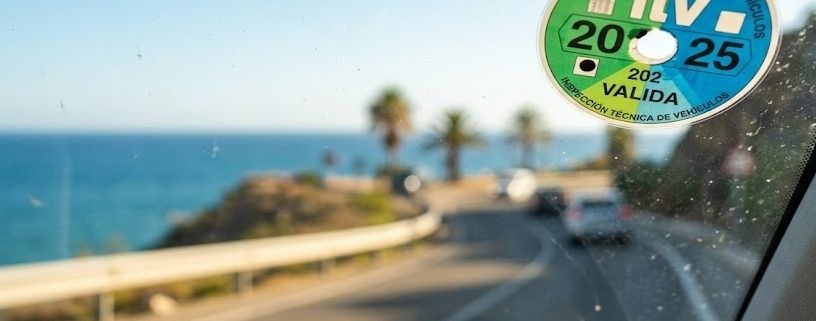
Spanish ITV sticker on a car windshield in Andalucia.

Expired ITV in Spain: Will Your Car Insurance Pay?

The busy summer season makes forgetting administrative tasks incredibly easy for expats. Driving a vehicle with an expired ITV, however, creates massive legal and financial risks. Securing expert broker advice ensures you understand exactly how this simple mistake impacts your comprehensive car insurance coverage.

THE FINANCIAL TRAP OF AN EXPIRED INSPECTION

You drive your luxury SUV to a beach club in Marbella. The heavy summer traffic distracts you momentarily. You rear-end the vehicle stopping abruptly in front of you. You contact your insurance company expecting a swift repair approval. The loss adjuster, unfortunately, notices your ITV expired three weeks ago. They immediately reject the claim for your own vehicle damages. This minor oversight costs expats thousands of euros in unexpected garage bills every single summer. Relying on an automated renewal text message is a terrible strategy.

NAVIGATING STRICT SPANISH ROAD SAFETY LAWS

Spanish law demands strict adherence to vehicle safety inspection schedules. The inspection deadline depends entirely on the registration date of your car. There is, absolutely, no legal grace period once the expiration date passes. Traffic police actively scan license plates to catch uninspected cars in Fuengirola.

We highly recommend checking the official DGT vehicle inspection regulations to verify your exact renewal dates. Driving without a valid certificate triggers an immediate financial fine. The authorities can even impound your vehicle for severe safety violations.

Expat driver dealing with a rejected car insurance claim in Spain

WHY INSURERS REJECT OWN DAMAGE CLAIMS

Insurance contracts require policyholders to maintain their vehicles in roadworthy condition. An expired certificate gives underwriters a perfectly legal reason to deny payouts. They must, indeed, still cover the third-party damages to the other driver. Your fully comprehensive cover, consequently, becomes entirely useless for your own expensive repairs.

You must manage your vehicle administration carefully to protect your wealth. We strongly advise reading our guide on how Spanish traffic fines impact your insurance to understand these strict local rules better. Keeping your paperwork updated is your absolute best financial defense.

PROTECT YOUR VEHICLE WITH BMI BROKERS

Understanding complex Spanish policy exclusions is incredibly frustrating for foreigners. We review your exact policy wording meticulously at BMI Brokers. Our team clarifies how different insurers handle missed inspection deadlines on the Costa del Sol. We negotiate robust terms with top underwriters to protect your valuable assets.

Handling frustrating claim rejections is managed entirely by our dedicated office staff. You will never, therefore, argue with a Spanish loss adjuster alone. Speak to our private client team today and request a bespoke car insurance audit for your summer driving.

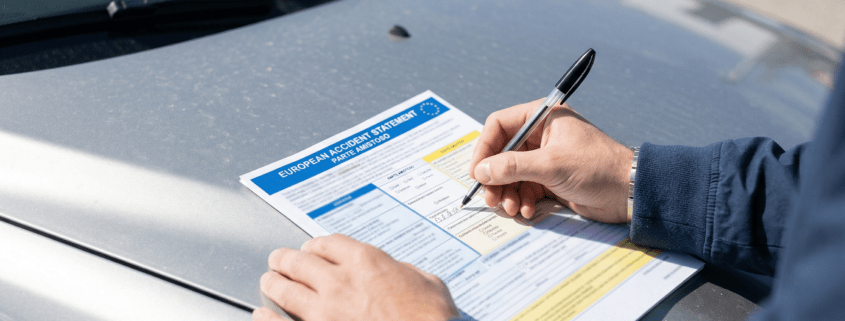
How to properly fill out the Parte Amistoso form after a car accident in Spain.

Car Accidents in Spain: The Expat’s Parte Amistoso Guide

WHAT TO DO AFTER A CAR ACCIDENT IN SPAIN: THE “PARTE AMISTOSO” GUIDE FOR ENGLISH SPEAKERS

The sound of crunching metal is terrifying no matter where you are in the world. But when you are navigating the AP-7 near Marbella and another driver rear-ends you, the stress immediately multiplies. You step out of your damaged car with your heart pounding, and the other driver immediately starts speaking rapidly in Spanish. They passionately wave a blue and yellow piece of paper at you.

This official document is the Parte Amistoso de Accidentes, and handling it incorrectly right now could end up costing you thousands of euros.

Many expats living on the Costa del Sol dread this exact scenario. The fear of accidentally signing a document you don’t fully understand is entirely justified. Admitting fault due to a language barrier is a real risk. Let’s break down exactly what you need to do to protect yourself and your vehicle.

UNDERSTANDING THE PARTE AMISTOSO

Unlike back in the UK, you don’t just quickly swap phone numbers and insurance details on the side of the road. The Spanish system relies on a standardised official document to resolve claims.

The European Accident Statement is commonly known here as the Parte Amistoso, and it significantly speeds up the claims process between insurance companies. It provides a factual snapshot of what happened at the scene before vehicles are moved.

There is a golden rule you must never forget: never sign it if you do not agree with the facts presented. Your signature legally binds you to the version of events drawn and ticked on that paper.

STEP-BY-STEP: WHAT TO DO AT THE SCENE

First, ensure everyone is safe and put on your reflective vests before stepping out onto the road. If anyone is injured, or if the other driver is aggressive, you must immediately call 112 for the emergency services. They will dispatch the Guardia Civil or local police to assist.

1. GRAB YOUR PAPERWORK

You should always carry a blank hard copy of the Parte Amistoso in your glovebox, along with a working pen. Both drivers fill out a single form together. You use the blue column for your vehicle, and the other driver uses the yellow column for theirs.

2. STICK TO THE FACTS AND TICK BOXES

The central column is arguably the most critical part of the document. It contains checkboxes detailing the precise circumstances of the crash. This includes actions like changing lanes or opening a door. Read them carefully and tick only the relevant boxes.

You will also find a space at the bottom to draw a sketch of the accident. Keep it simple. Draw the layout of the road and the position of the vehicles upon impact. Use clear arrows to show the direction of travel.

3. GATHER YOUR OWN EVIDENCE

While the official form is essential, backing it up with your own visual evidence is highly recommended. Take comprehensive photos of the damage to both cars, the road conditions, and any relevant road signs or skid marks.

It is always a smart idea to familiarise yourself with the official guidelines provided by the Dirección General de Tráfico (DGT) regarding road safety protocols so you know exactly what the authorities expect.

THE POLICE AND THE LANGUAGE BARRIER TRAP

If the police arrive at the scene, they will create their own official report, known as an Atestado. If your Spanish isn’t fluent, politely insist on waiting for someone who can translate for you. You can also use a translation app to ensure you understand exactly what the officer is recording about your actions.

Contacting an English-speaking car insurance broker in the Costa del Sol after an accident.

WHY YOUR INSURANCE BROKER MATTERS MORE THAN EVER

This is precisely where living in Mijas, Fuengirola, or anywhere along the coast can feel incredibly isolating if you don’t have the right professional backup. Trying to explain the nuances of a roundabout collision to a Spanish insurance call centre is the last thing you want to do after a shock.

Using a dedicated local broker changes the aftermath of an accident completely. It shifts from a bureaucratic nightmare into a simple task. You don’t just buy a policy; you gain an English-speaking advocate who fights your corner.

If you find yourself stuck on the side of the road with a dented bumper, you simply send a clear photo of the completed Parte Amistoso straight to your broker. We take over from there, handling the translation, the formal submission, and the often aggressive negotiations with the opposing driver’s insurance company.

For a broader understanding of how to navigate local roads safely and avoid these situations altogether, you might want to review our comprehensive guide to driving regulations for expats in Spain.

Car insurance shouldn’t just be a legal requirement to keep the authorities happy. It should be a robust safety net that actually catches you when things go wrong.

Don’t wait until you are standing by a damaged vehicle to realise your current coverage leaves you fending for yourself in a foreign language. Secure a policy that speaks your language and defends your financial interests unconditionally.

Ready to drive with absolute confidence? Get a Car Quote customized for Expats today and let us handle the bumps in the road.

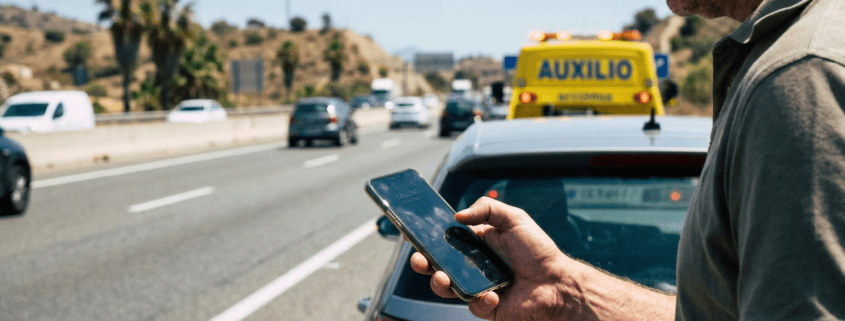
British expat calling for car breakdown assistance in Spain.

Breakdown Cover Spain vs UK | Expat Car Insurance

WHY SPANISH BREAKDOWN COVER BEATS YOUR STANDARD UK POLICY

Picture this: you are cruising down the A-7 towards Marbella on a blazing July afternoon when your engine suddenly overheats. Steam is billowing from the bonnet and you are forced to pull over.

In the UK, you would simply call your provider and wait for the familiar yellow van. Doing that in Spain without the right cover, however, is a guaranteed recipe for a ruined weekend and a severely depleted bank account.

Many British expats assume their existing UK breakdown policy or a basic add-on will seamlessly protect them abroad. The reality usually hits them when they are stranded near Mijas, facing steep towing fees and an emergency operator who doesn’t speak a word of English.

THE HARSH REALITY OF BREAKING DOWN ON THE COSTA DEL SOL

Unlike in the UK, Spanish traffic laws are incredibly strict regarding roadside emergencies. You absolutely cannot have a mate tow you to the nearest garage with a rope.

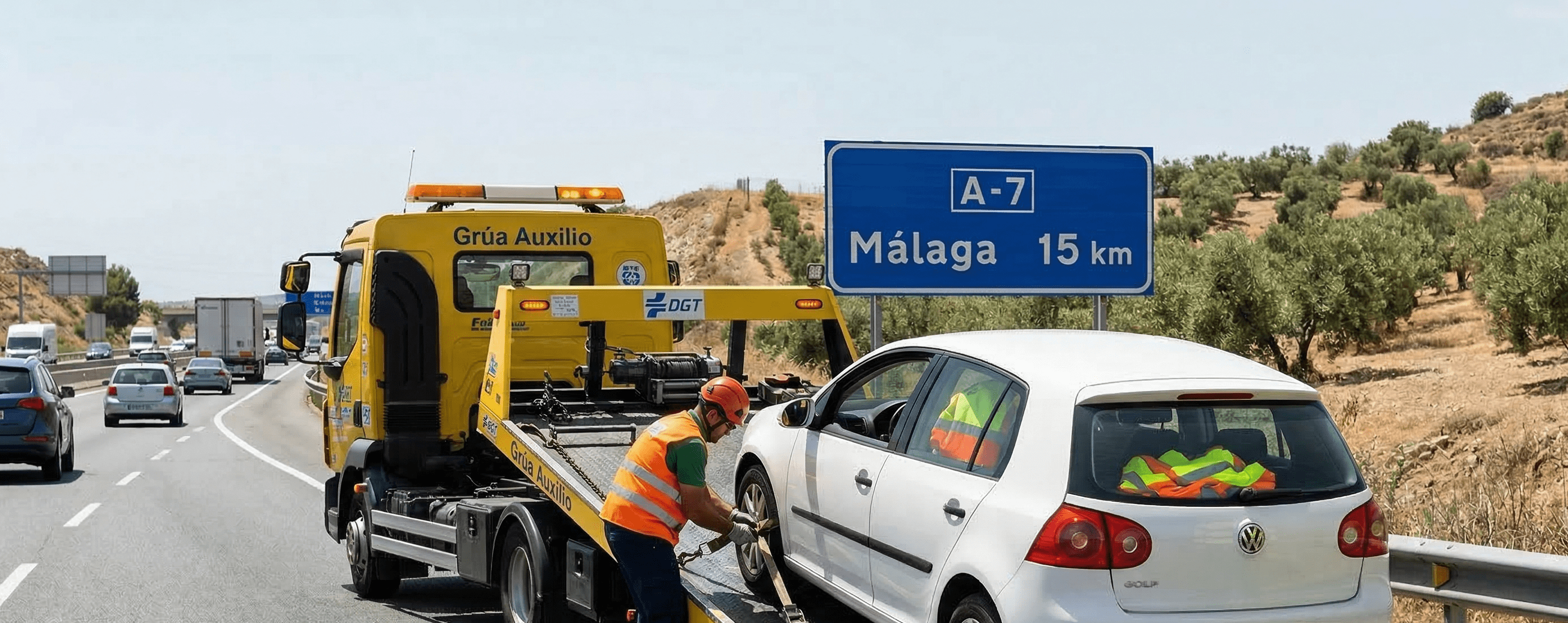
Under strictly enforced DGT regulations, only officially licensed tow trucks (grúas) are legally permitted to move a broken-down vehicle. Attempting to bypass this rule will result in the authorities immobilising your car.

Stepping out of your vehicle on a motorway without wearing a high-visibility jacket, furthermore, will instantly land you a €200 fine. The Guardia Civil patrol these coastal routes constantly and they do not accept ignorance of the law as an excuse.

WHY LOCAL ASSISTANCE OFFERS SUPERIOR PROTECTION

Local Spanish policies are fundamentally designed around immediate, practical assistance rather than just getting the vehicle to a garage eventually.

The biggest advantage is undoubtedly the concept of KM 0 cover. A standard British policy, for instance, might only assist you if you are a certain distance away from your registered address. A proper Spanish policy covers you from your very own driveway in Sotogrande or anywhere else.

If your car completely refuses to start on a Monday morning before the school run, the tow truck will come directly to your front door to jump-start the battery or take the vehicle away.

Spanish tow truck providing breakdown assistance for an expat vehicle.

PROTECTING THE PASSENGERS, NOT JUST THE ENGINE

Premium Spanish breakdown assistance usually ensures that both the vehicle and its occupants are thoroughly taken care of.

If your car needs to be towed to a local garage, the policy will normally arrange a taxi to transport you and your family safely back home or to your final destination. You won’t be left waiting on a dangerous hard shoulder in the midday heat.

If you have brought your own vehicle over from Britain, understanding local compliance is just as crucial as having the right breakdown cover. You might want to read our complete guide on  Importing a UK Car: The Truth on Insurance & Plates.

AVOIDING THE LANGUAGE BARRIER IN EMERGENCIES

Trying to accurately explain your location on a rural Andalusian road to a dispatcher who only speaks rapid-fire Spanish is an incredibly stressful experience.

When you secure your coverage through an established local broker, you immediately gain access to English-speaking emergency operators. This single feature transforms a panicky roadside situation into a straightforward, easily manageable delay.

It is ultimately about having genuine peace of mind, knowing that professional help is just a phone call away in a language you actually understand.

SECURE TRUE PEACE OF MIND FOR YOUR SPANISH LIFESTYLE

Relying on inadequate foreign policies or bare-minimum coverage is simply not worth the risk when navigating the Costa del Sol. A comprehensive local policy is not just another expense; it is the ultimate legal protection and safety net for your family.

At BMI Brokers, we specialise in translating complex Spanish insurance requirements into straightforward, robust protection for expats. We ensure you are fully covered, completely legal, and never left stranded.

Don’t wait until you are stuck on the side of the AP-7 to realise your current coverage is inadequate.

Get a Car Quote customized for Expats.

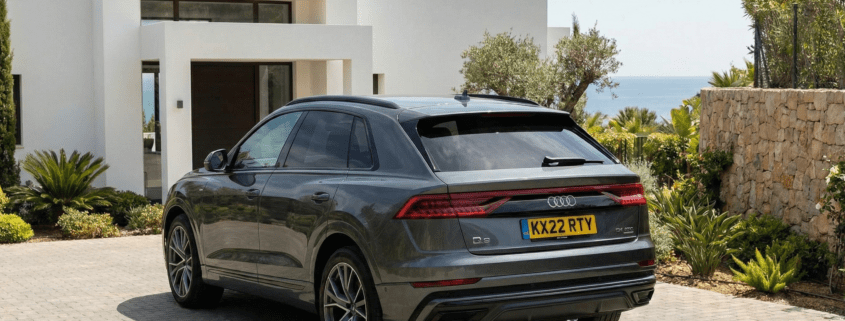
British expat standing next to a luxury car after securing premium car insurance in Marbella

Transfer Your UK No-Claims Bonus to Spain | BMI Brokers

No-Claims Bonus in Spain: How to Transfer Your UK/EU History to Save Money

Relocating to the Costa del Sol is a dream come true for many expats. You’ve finally secured that luxury villa in Marbella or a sleek apartment in Sotogrande.

However, the excitement often hits a wall when you try to navigate local bureaucracy to insure your vehicle.

For instance, many seasoned drivers face an unpleasant and highly expensive shock when dealing with local agencies. Spanish insurance providers routinely treat newly arrived expats as brand-new drivers with zero experience.

Consequently, you could be quoted astronomical premiums for your Spanish car insurance, especially if you drive a high-value vehicle.

Imagine driving safely for twenty years in the UK, only to be charged the same rate as an eighteen-year-old novice in Spain.

This scenario is a massive financial drain. It feels deeply unfair to lose your hard-earned No-Claims Bonus (NCB) simply because you crossed a border.

Therefore, understanding how to protect your driving history is crucial before you sign any local insurance contract.

Understanding the Spanish System: Why Your Bonus Disappears

Unlike in the UK, Spanish insurers rely on a strictly closed, automated internal system to verify driving histories.

This national database is known within the industry as the Fichero SINCO.

As a result, foreign drivers are completely invisible to this automated local grid. Your flawless UK or EU driving history does not automatically pop up on a Spanish underwriter’s screen.

Furthermore, the vast majority of direct Spanish insurers simply won’t accept foreign proof of your No-Claims Discount (NCD).

They typically lack the English-speaking staff or internal protocols to quickly verify international documents.

This means their system defaults your risk profile to zero years of safe driving. This is exactly where many expats make an expensive mistake by accepting the first quote they get online.

In addition, there actually is a robust legal framework that allows for the manual transfer of your international history.

You just need to obtain a specific Proof of No Claims letter directly from your previous insurance company before cancelling your old policy.

This document must be officially signed on company letterhead and explicitly state how many years you have driven without a claim.

For the absolute latest rules regarding your driving licence validity and vehicle legality, you should always consult the official UK Government guidelines on driving in Spain

BMI Brokers expert helping a client transfer their UK No-Claims Bonus to Spanish car insurance.

The BMI Brokers Solution: Protecting Your Wealth and Peace of Mind

Navigating the rigid bureaucracy of Spanish insurance companies alone is exhausting and frustrating.

You need an expert, bilingual broker on your side who understands both the UK and Spanish systems intimately.

At BMI Brokers, located right here in Mijas and serving the entire Costa del Sol, we specialise exclusively in helping high-net-worth expats.

We never treat you as a risky, newly qualified driver. We take your UK or EU proof of no claims and negotiate manually on your behalf.

Consequently, we routinely secure up to a 65% maximum discount on your premium car insurance in Spain.

This incredible discount translates to hundreds, and sometimes thousands, of euros saved every single year.

We meticulously manage the entire paperwork and translation process for you, removing all the traditional stress.

If you are currently importing your vehicle, you will also want to read our comprehensive guide on how to register a foreign car in Spain.

Therefore, we only offer comprehensive policies with premium coverage, including VIP roadside assistance and robust legal defence.

Do not let the language barrier rob you of your hard-earned financial discounts. Your safe driving history is a highly valuable asset.

Stop struggling with generic online comparators that ignore your history.

Get a Car Quote customized for Expat

British car with UK number plates parked at a villa in Marbella.

Importing UK Car? The Truth on Insurance & Plates

Importing UK Car to Spain? Immediate Insurance for Foreign Plates

Are you driving your trusted British car along the A7 in Marbella or Sotogrande? While bringing your vehicle over seems convenient, it often creates a dangerous legal “grey zone” for expatriates.

For instance, many expats believe they can drive on UK plates indefinitely. However, the reality is far stricter.

The sight of a Guardia Civil checkpoint in Mijas is stressful enough. But, if you are a resident driving a car with foreign plates without valid cover, that stress can turn into a nightmare involving heavy fines or even vehicle impoundment.

The “Grey Zone” Trap: Driving UK Plates as a Resident

Most confusion stems from the transition period. You want to do things right and import your car to Spain. However, during that process—which can take weeks—your UK insurance might not cover you, and most Spanish insurers will refuse a car with “GB” plates.

Consequently, many drivers take the risk of driving uninsured. This is a massive gamble, specifically because residents are required to regularise their vehicle situation according to DGT guidelines on Importing a Vehicle.

Therefore, you need a solution that bridges the gap between your arrival in Spain and receiving your new Spanish license plates.


Can You Insure Foreign Plates in Spain? Yes, We Can.

Unlike other brokers who will turn you away until you have Spanish plates, BMI Brokers understands the reality of moving countries.

We know that the bureaucracy of rematriculación takes time. Furthermore, you still need to drive to the supermarket, the school run, or the ITV station during that waiting period.

As a result, we have secured a specialised temporary insurance product designed specifically for vehicles with foreign license plates.

This solution allows you to:

  1. Drive legally in Spain immediately.

  2. Pass the necessary inspections for importation.

  3. Avoid fines for driving without insurance.

In addition, this buys you the necessary time to complete the paperwork without panic.

Important Note: This is a temporary solution designed to cover you while you regularise your situation. The ultimate goal is always to switch to Spanish plates for long-term savings and better coverage.

Transitioning to Spanish Plates: A Seamless Process

Once your vehicle finally receives its Spanish plates, the real benefit begins. We simply transition you from our temporary foreign plate cover to a comprehensive annual Spanish policy.

Therefore, BMI Brokers acts as your partner for the entire lifecycle of your vehicle in Spain.

For instance, when you switch to our standard annual policy after the import is done, you gain access to:

  • English-Speaking Support: No translation apps needed when you have a claim.

  • Breakdown Assistance: Essential for those long drives from Sotogrande to Malaga.

  • Legal Defence: Protection against traffic disputes.

Furthermore, dealing with one broker for both the temporary and permanent phase simplifies your admin massively.

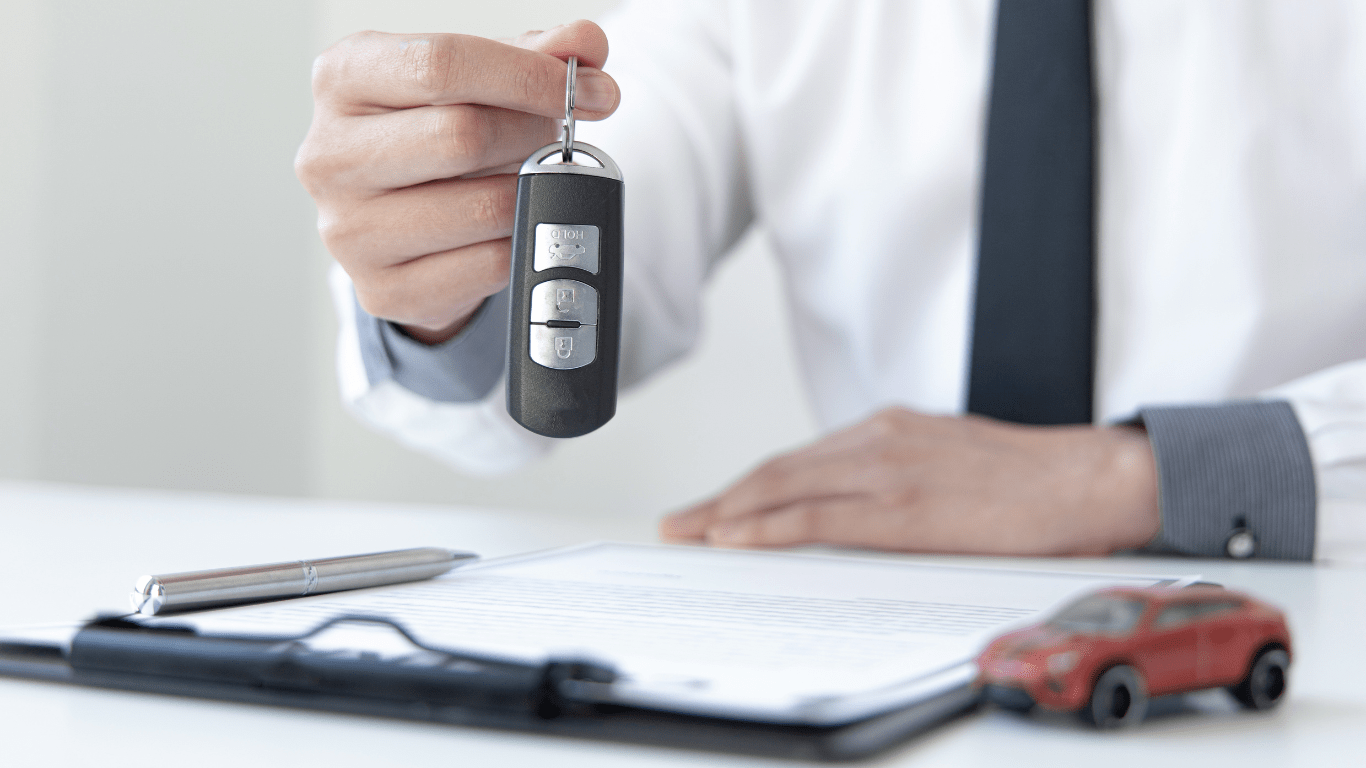
Signing temporary car insurance documents for foreign plates in Spain.


Don’t Risk Your Residency or Your Asset

Driving a UK-plated car without valid insurance is a gamble with bad odds. The peace of mind that comes with our immediate temporary cover is worth every penny.

In addition, having a robust insurance policy means you can enjoy the winding roads of Andalucia without looking over your shoulder for the police.

Therefore, do not wait until you have your Spanish plates to contact us. We can protect you today.

Get a Quote for Temporary Foreign Plate Insurance

Read more: New Resident? Check our Guide to Health Insurance for TIE Applications

Luxury car driving in Marbella with comprehensive insurance coverage

Car Insurance in Spain: Third Party vs Fully Comprehensive

Moving to the Costa del Sol brings a lot of lifestyle upgrades, however navigating the roads—and the bureaucracy—can be a challenge. Whether you are navigating the busy A-7 near Marbella or the narrow, winding streets of Mijas Pueblo, having the right car insurance is not just a legal requirement; it’s your financial safety net.

One of the most common questions we receive at BMI Brokers is: “Why is my Spanish policy so different from my UK one?”

In Spain, the car is insured, not just the driver, and the terminology can be confusing. Therefore to ensure you aren’t under-insured, it is vital to understand the difference between the three main levels of cover: Third Party, Third Party Fire & Theft, and Fully Comprehensive.

1. Third Party Only (Terceros Básico)

First of all, this is the absolute minimum legal requirement to drive in Spain. If you are caught driving without it, you face heavy fines and your vehicle could be impounded.

  • What it covers: Specifically damages you cause to other people, vehicles, or property (e.g., if you hit a lamp post or another car).

  • What it does NOT cover: Any damage to your own car. If you are at fault in an accident, you will have to pay for your own repairs.

  • Who is it for? Usually recommended for older cars with low value where the cost of repairs might exceed the car’s worth.

2. Third Party, Fire & Theft (Terceros Ampliado)

Next, this the “middle ground” option and is very popular among expats who want extra peace of mind without the premium price tag of full cover.

  • What it covers: In addition , it includes everything in the basic policy, plus protection if your car is stolen or catches fire. crucially, this often includes glass cover (Lunas).

  • Why it matters in Spain: For instance, on the Costa del Sol, extreme heat can cause existing chips in windscreens to crack. Having glass cover means you can get your windscreen replaced without a headache.

3. Fully Comprehensive (Todo Riesgo)

Finally, for most expats driving newer vehicles in Marbella or Mijas, this is the recommended option.

  • What it covers: Above all damages to your own vehicle, even if the accident was your fault. It also covers vandalism (keying) and scratches from parking in tight spots—a common occurrence in Spanish parking garages!

  • With or Without Excess? (Con o Sin Franquicia): Fortunately, you can lower your annual premium by agreeing to pay an “excess” (e.g., the first €300 of any claim).

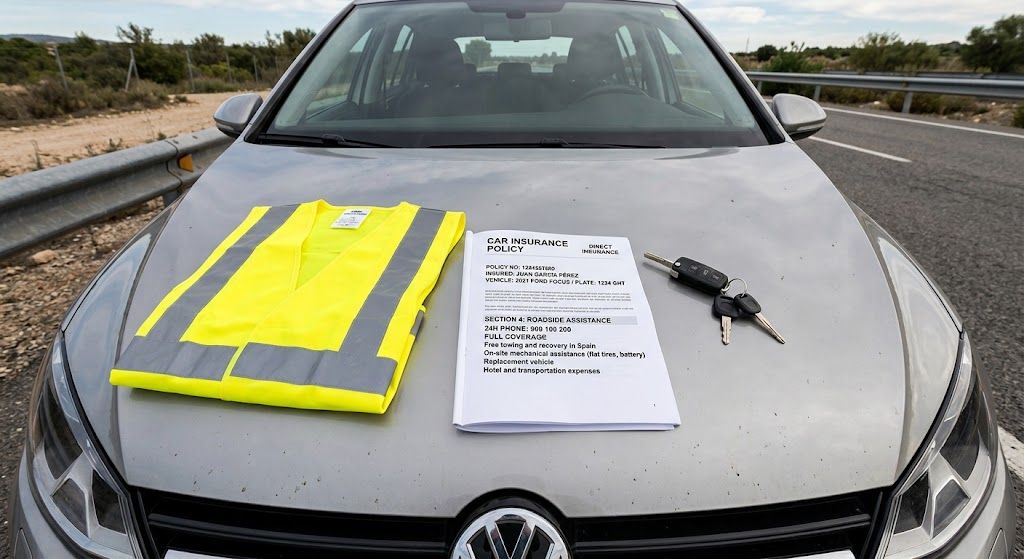
Pro Tip: Unlike in the UK, Roadside Assistance (Asistencia en Viaje) is typically included in most Spanish car insurance policies, not sold as a separate product. At BMI Brokers, we ensure your policy includes towing from kilometer zero, so you aren’t left stranded on the autovía.

BMI Brokers providing car insurance assistance to expats in Mijas Costa

Why Choose a Broker for Car Insurance in Spain?

Unfortunately, many expats make the mistake of buying cheap insurance online, only to find out they have no one to help them when they crash. In fact, dealing with a call center in Spanish immediately after an accident is stressful.

By choosing BMI Brokers, you get:

  • English-Speaking Support: We handle the communication with the insurance company for you.

  • Claims Assistance: We guide you through filling out the “Parte Amistoso” (Accident Statement).

  • No-Claims Bonus protection: In addition, we know which insurers accept your driving history from back home to get you the best discount.

Don’t Risk Driving Unprotected

In conclusion, driving in Spain is a pleasure, but accidents happen. Whether you need to insure a luxury SUV in Puerto Banús or a run-around for the school run in Mijas Costa, we have the right policy for you.

Is your car properly protected? Do not wait for a scratch, a theft, or a crash to find out.

Get a Car Insurance Quote in English

Contact BMI Brokers today for a free review of your current policy or a quote for a new vehicle.

Does Car Insurance Cover Vandalism? What Drivers Need to Know

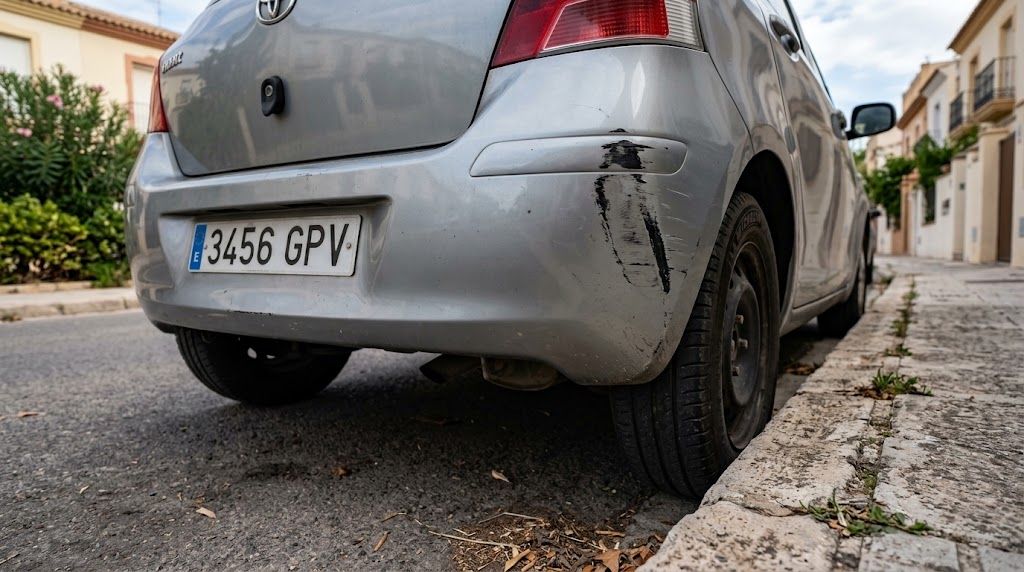
Vehicle vandalism is a growing concern across the Country, with more than 155,000 reported incidents in a single year. For many drivers, discovering damage to their car raises an immediate and practical question: does car insurance cover vandalism, and is it worth making a claim? Understanding how insurers treat malicious damage is essential to making informed decisions that protect both your vehicle and your long-term insurance costs.

Vehicle Vandalism: Scope and Impact

Car vandalism includes any deliberate act that damages a vehicle without the intention of theft. Common examples range from scratched paintwork and smashed windows to slashed tyres and broken mirrors. These incidents can happen anywhere, from residential streets to public car parks, and often leave drivers facing unexpected repair bills.

From an insurance perspective, vandalism is treated differently from accidents or theft. Because the responsible party is rarely identified, insurers must absorb the cost of repairs, which directly affects how claims are handled.

Car Insurance Policies and Vandalism Cover

Whether vandalism is covered depends largely on the type of car insurance policy in place. Fully comprehensive car insurance typically includes cover for malicious damage. This means that repairs to bodywork, glass, or other damaged parts can usually be claimed.

In contrast, third party only policies, as well as third party, fire and theft insurance, do not cover vandalism. Drivers with these policies would need to pay for repairs themselves.

Even with comprehensive cover, the level of protection varies. Some policies include specific benefits, such as glass cover, which may apply regardless of how a windscreen was damaged. Others may offer optional protection that prevents loss of no-claims discount following a vandalism claim.

What Insurers Class as Vandalism

Although definitions can differ slightly, insurers generally describe vandalism as intentional or malicious damage to a vehicle. Typical examples include:

  • Scratched paintwork caused deliberately
  • Slashed or punctured tyres
  • Smashed windows where nothing was stolen
  • Graffiti on body panels
  • Broken lights or mirrors
  • Deliberate dents to doors or panels

Accidental damage or wear and tear is not considered vandalism and is assessed under different policy terms.

Why Vandalism Is Treated as an At-Fault Claim

Car insurance claims are generally classified as either fault or non-fault. Vandalism claims fall into the at-fault category, not because the driver caused the damage, but because insurers cannot recover the repair costs from the person responsible.

This classification has important consequences. At-fault claims typically result in a reduction of the no-claims bonus and can influence future premiums, even though the incident was outside the driver’s control.

Excess Payments and No-Claims Bonus

Most vandalism claims require the policyholder to pay an excess, which is the portion of the repair cost they agree to cover themselves. The amount varies depending on the policy.

In addition, making a vandalism claim usually affects the no-claims bonus. Some policies offer protection or special terms that prevent this loss, but these features are not universal and should be checked carefully.

Because of these factors, drivers sometimes choose to pay for minor repairs themselves, particularly when the cost of repairs is close to or lower than the excess.

What to Do If Your Car Is Vandalised

Taking the right steps after discovering vandalism can help ensure a smoother claims process and protect your interests:

  1. Report the incident to the police using the non-emergency channels and obtain a crime reference number.
  2. Take clear photographs of all damage from multiple angles.
  3. Contact your insurer if you intend to make a claim, providing all requested details.
  4. Avoid cleaning or repairing the vehicle until authorities confirm it is acceptable.

Documentation and evidence are crucial, even if the likelihood of identifying the offender is low.

Do You Have to Inform Your Insurer?

If you decide to pay for repairs yourself, you are generally not required to inform your insurer. This approach is sometimes chosen to preserve the no-claims bonus. However, it is important to review policy terms, as some insurers require notification of any incident, regardless of whether a claim is made.

Reducing the Risk of Vehicle Vandalism

While vandalism cannot be completely prevented, drivers can reduce their risk by parking in well-lit areas, using secure parking facilities where possible, and avoiding leaving vehicles in high-risk locations overnight. Visible security measures can also act as a deterrent.

Practical Takeaway for Drivers

Understanding how car insurance covers vandalism allows drivers to balance immediate repair needs with long-term financial impact. Reviewing policy details, excess levels, and no-claims protection before an incident occurs can make a signific

At BMI Brokers, we help drivers in Spain understand whether car insurance covers vandalism and which type of policy offers the right level of protection. Our experts clearly explain the differences between third-party and comprehensive insurance, what vandalism cover includes, how excess works, and how to avoid unexpected costs—always in line with Spanish insurance regulations.

Protect your car with confidence and clarity. Contact us today for personalised advice on car insurance in Spain and make sure you’re properly covered against vandalism and other common risks.

Don’t risk discovering gaps in your coverage when it’s too late. Visit our blog for more tips, guides, and updates on car insurance and other essential insurance solutions in Spain.


car insurance for rental car

Car Hire Insurance in Spain: What You Really Need to Know Before Renting a Car

When planning a holiday in Spain, most travellers focus on flights, accommodation and itineraries, rarely considering car hire insurance until the moment they pick up the vehicle. However, understanding how car rental insurance works in Spain is essential to avoid unexpected costs, legal issues and unnecessary stress during your trip. The Spanish car hire market is well regulated, but the complexity of insurance terminology and optional add-ons often leads travellers to overpay or remain underinsured.

The car rental sector in Spain

Spain is one of Europe’s leading destinations for car rentals, driven by tourism across coastal regions, islands and rural areas where public transport may be limited. The car hire sector operates under European and national regulations that require basic insurance coverage, but the level of protection included in standard rental prices is often misunderstood.

Most rental companies include mandatory third-party liability insurance in the base price. While this satisfies legal requirements, it does not mean the driver is fully protected against damage to the rental vehicle, theft or additional charges.

Online brokers and rental companies

Online car hire brokers are widely used to compare prices, vehicle categories and insurance options across multiple rental companies. These platforms are useful for identifying competitive deals and understanding differences in coverage. However, brokers act as intermediaries only. In the event of a breakdown, accident or dispute, responsibility lies with the rental company, not the broker.

Travellers are advised to compare broker prices with those offered directly by rental companies, as many providers match online rates. Booking directly can simplify communication, although customers should remain alert to repeated offers of additional insurance during the booking process.

Understanding real costs and avoiding extras

One of the most common issues when hiring a car in Spain is the final price being significantly higher than expected. This usually happens due to optional add-ons such as excess waivers, additional drivers or fuel policies. Rental companies generate substantial profit from these extras.

To control costs, it is often advisable to book the most basic rental package and purchase additional cover independently. Booking several months in advance can also reduce rental prices considerably, especially during peak travel seasons. Limiting the number of drivers and carefully documenting the vehicle’s condition before and after use can prevent disputes and unexpected charges.

Required documents and vehicle equipment

To hire a car in Spain, drivers must present valid identification, typically a passport, and meet the rental company’s age and licence requirements. Spanish regulations also require vehicles to carry specific safety equipment, including reflective jackets and warning triangles. If these items are not provided with the rental car, the company must supply them upon request.

Mandatory and optional car hire insurance

Third-party liability insurance is legally required when renting a car in Spain. This coverage protects other road users, passengers and property in the event of an accident. It typically includes compensation for injuries, property damage and associated legal costs.

However, third-party insurance does not cover damage to the rental vehicle itself or theft. For this reason, rental companies usually offer additional coverage such as Collision Damage Waiver (CDW) and Theft Protection. These options reduce the driver’s financial responsibility but rarely eliminate it entirely.

The role of excess and deductible insurance

Even with CDW or theft protection, most rental agreements include an excess, also known as a deductible. This is the amount the driver must pay if the vehicle is damaged or stolen. In Spain, excess amounts commonly range from €500 to over €2,000 depending on the vehicle category.

Car hire excess insurance reimburses this amount, preventing travellers from facing large out-of-pocket expenses during their holiday. This insurance can be purchased for a single trip or as an annual policy for frequent renters. Many policies also cover areas often excluded by rental companies, such as tyres, underbody damage and windscreens.

Rental desks frequently offer excess insurance at pickup, but this option is not mandatory and is usually significantly more expensive than independent cover.

Driving responsibly across Spanish territory

Driving in Spain is generally straightforward, with well-maintained roads and clear signage. However, insurance coverage can be invalidated if drivers breach rental terms or local laws. Driving under the influence, using the vehicle off-road or failing to follow contract conditions can result in full financial liability, regardless of insurance purchased.

Practical value for travellers

Hiring a car in Spain offers flexibility and access to destinations beyond major cities, but only when done with proper preparation. Understanding car hire insurance, avoiding duplicate coverage and choosing independent excess insurance can save money and reduce risk. Taking time to read contracts carefully and documenting the vehicle’s condition protects travellers from disputes and unexpected charges.

Ultimately, informed decisions around car hire insurance provide peace of mind, allowing visitors to focus on enjoying Spain rather than worrying about avoidable costs or legal complications.

At BMI Brokers, we help drivers understand and choose the right car hire insurance in Spain, so you can rent a car with confidence and without paying for unnecessary extras. Our experts compare rental insurance options, explain what’s really covered (and what’s not), and help you avoid common pitfalls such as duplicate coverage, excessive excess fees, or hidden exclusions—always in line with Spanish regulations.

Rent a car legally and with peace of mind. Contact us today for personalised advice on car hire insurance in Spain and make sure you’re fully protected before you hit the road. Don’t risk unexpected charges or inadequate coverage. Visit our blog for more tips, guides, and updates on car hire insurance and other essential insurance solutions in Spain.

Young Driver Car Insurance in Spain: How to Insure a New or Provisional Driver

Insuring a car as a young or new driver in Spain presents unique challenges. Statistics show that drivers under 25 or with little experience have a higher risk of accidents, which translates directly into significantly higher insurance premiums and specific requirements. For this group, finding suitable and affordable coverage is not just a desire, but a crucial necessity.

Why Is Car Insurance So Expensive for Young Drivers in Spain? Key Factors

The cost of car insurance increases sharply for young drivers due to a combination of risk factors that insurers take into account:

  • Age and Experience: This is the most influential factor. Lack of driving experience and lower risk perception among young drivers (generally under 25 or with less than two years of driving license) makes them statistically more likely to have accidents.
  • Type of Vehicle: High-displacement or high-end cars usually have higher premiums. For a young driver, this factor is even more significant.
  • Claims History: New drivers lack a “no-claims” history that would grant them discounts, which increases the cost of their first policy.
  • Place of Residence: Driving in large cities with high traffic density and theft rates can increase the insurance price.
  • Type of Coverage: Comprehensive insurance policies are considerably more expensive than basic third-party insurance, and for young drivers this difference is even more pronounced.

Types of Car Insurance Policies in Spain

In Spain, young drivers can choose from different types of policies, although the cost will vary significantly:

  • Third-Party Insurance (Mandatory Civil Liability): This is the basic coverage required by law. It covers material and personal damage you may cause to third parties. It is the most economical option, but it does not cover damage to your own vehicle or injuries to the at-fault driver.
  • Extended Third-Party Insurance: In addition to civil liability, it includes additional coverage such as theft, fire, and glass damage. It offers intermediate protection at a more moderate cost than comprehensive insurance.
  • Comprehensive Insurance: This is the most complete coverage. It includes civil liability, theft, fire, glass damage, and—most importantly for many—damage to your own vehicle, even if the driver is at fault. For young drivers, premiums for this type of insurance can be prohibitive.

Smart Strategies to Reduce the Cost of Your Car Insurance as a Young Driver

Although insurance can be expensive, there are ways to mitigate the financial impact:

  • Being Added as a Second Driver on Your Parents’ Policy: This is one of the most common options. By being listed as a second driver on a parent’s or guardian’s policy with experience and a good claims history, the premium can be significantly lower. However, it is crucial that the young driver is correctly declared if they are the regular user of the car to avoid “underinsurance” issues in the event of an accident. Failing to declare the young driver as the main user could lead the insurer to limit or deny coverage.
  • Choosing a Low-Displacement, Lower-Power Vehicle: Older, less powerful cars with lower market value are perceived as lower risk by insurers, resulting in lower premiums.
  • Installing Telematics Devices (Pay As You Drive / Pay How You Drive): This growing trend uses devices installed in the car to monitor driving behavior (speed, harsh braking, driving hours). If the young driver demonstrates safe driving habits, they can receive significant discounts on the premium.
  • Building a No-Claims History: Although you may not receive discounts at first, maintaining a clean accident record will allow you to accumulate discounts over time, even if you start as a second driver and later move to your own policy.
  • Increasing the Deductible: Choosing a higher deductible on a comprehensive insurance policy means you assume a greater share of repair costs in the event of a claim. In return, the annual premium is significantly reduced.
  • Comparing Offers from Different Insurers: Don’t settle for the first option. Use online comparison tools and consult insurance brokers to obtain multiple quotes. Some insurers have specific products or more favorable conditions for young drivers.

Legal Requirements to Take Out Car Insurance in Spain

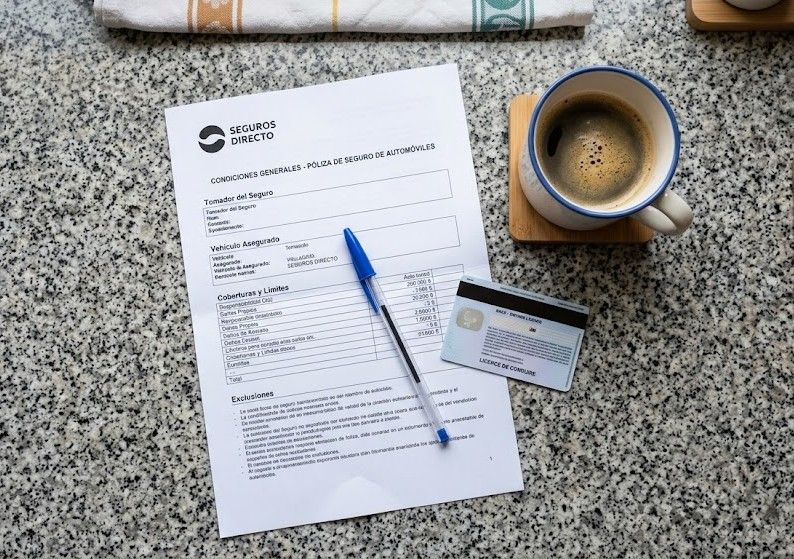
To take out any type of car insurance, you will need the following basic documentation:

  • Driving License: Valid and corresponding to the type of vehicle.
  • Vehicle Registration Certificate: The document that certifies the vehicle’s registration and details.
  • Technical Inspection Card (ITV): Contains the technical characteristics of the car.

FAQ: Car Insurance for Young Drivers in Spain

  • Can a new driver drive their parents’ car without being listed on the policy?Yes, they can, but it is extremely risky. If they are not declared on the policy and have an accident, the insurer may apply a very high deductible, limit coverage, or even refuse to cover damages, arguing “underinsurance” if the young driver is the regular or main driver.
  • What happens if a young driver has an accident and is not declared on the policy?The consequences vary but are usually serious. The insurer may apply a financial penalty, such as a surcharge or additional deductible, or limit coverage to mandatory civil liability only, leaving out coverage for own damage, theft, or fire. In the most extreme cases, if bad faith is proven or the young driver was the undeclared main driver, the company may terminate the contract or refuse to pay compensation.
  • Is it better for a young driver to take out their own policy or be a second driver?It depends on vehicle usage and cost. Being a second driver is usually cheaper initially and allows the young driver to gain experience. Taking out a policy in their own name is much more expensive at first, but it allows the young driver to start building their own bonus history from scratch, which will benefit them in the long term. If the young person is the main driver of the vehicle, the ethical and recommended option is to take out a policy in their own name or be listed as the declared main driver on the policy.
  • Do I need special insurance if I have a provisional driving license?There is no “special insurance” for a provisional license. Insurers will quote you a policy as a new driver. Premiums will be very high due to the total lack of experience, but it is legally possible and necessary in order to drive.
  • How can I get my first no-claims bonus?The most direct way is by taking out a policy in your own name and having no claims during the year. However, if you start as a second driver, some insurers may recognize that experience when you move to your own policy, although this is not a universal rule and depends on the company.

In summary, insuring a young driver in Spain requires planning and knowledge. Choosing smart strategies, comparing offers, and being transparent with the insurer are essential steps to finding suitable coverage without premiums skyrocketing.ç

At BMI Brokers, we help young and newly licensed drivers find the right car insurance in Spain without overpaying. Our experts compare policies from leading insurers, explain coverage options clearly, and help you insure new or provisional drivers in full compliance with Spanish regulations.

Drive legally and confidently from day one.
Contact us today for a personalized young driver car insurance quote in Spain and get coverage that fits your needs and budget.

Don’t risk driving uninsured or paying more than necessary. Visit our blog for more tips, guides, and updates on car insurance and other essential insurance solutions in Spain.

How car insurance works in Spain

How car insurance works in Spain: A guide por expats

In Spain, as in many countries, insurance is a vital aspect of responsible vehicle ownership.

The Spanish insurance market follows a structure similar to other nations, with a focus on providing coverage options that cater to diverse needs.

The obligation for getting the insurance is for the owner of the car. Although another person or legal entity could be the policyholder, the owner details must appear always on the policy.  

The civil liability will always be the responsibility of the car owner. In case of a fine it  is the owner who will be notified by the Road Traffic Authorities. 

Another important thing to understand about your car insurance in Spain is that the car must be always insured, even if it is kept in a garage for a long time or you don´t use very often or even you don´t use at all, if the car is not officially off the road with the Traffic Authorities then there must be an insurance policy in force. 

Types of car insurance avalibles in Spain

In Spain, there are primarily three types of car insurance: 

THIRD PARTY INSURANCE:  This is the minimum legal requirement and covers damages to third parties, including people and property

Limitations: it generally doesn´t cover damages to your own vehicle

THIRD PARTY FIRE AND THEFT:  offers the third party cover plus cover in case of theft, total or partial and cover for fire, total or partial of the insured vehicle .

 The damages caused for attempt to theft are also covered and usually without any excess. 

FULLY COMPREHENSIVEOffers broader protection, encompassing  damages to both third parties and your own vehicle. Usually you add an excess in order to reduce the premium, as higher excess the premium will be lower.

In this type of insurance is important to declare all the accessories installed on the car, as this is going to increase the value of the car and this is the way to insure the real value of the car.

Beyond these, drivers can customize policies with additional options such as:

ROADSIDE ASSISTANCE: providing  services relating to the car and to persons. The services may be requested by the insured party calling to the provided roadside assistance help telephone numbers. Most of the companies don´t accept the reimbursement of the invoices if they haven´t been contacted before.  The cover could be only in Spain or also abroad.

Service relating to the car:

Technical help on the roadside, for example to start the battery or change a tyre

Towing

Rescue

Send replacement parts or even the keys, etc.

Service relating to persons:

Medical and health assistance

Send medication

Convalescence in a hotel

Repatriation,  etc. 

Windows breakage: replacement costs caused  by  fortuitous breakage of windscreens, windows or even sunroof

Fine reclamation:  legal consultation via telephone, preparation of reports, drafting documents in opposition, defence depositions and appeals to higher courts, submission of documents, etc.

Animal collision damage:  Damage suffered by the insured vehicle on roads suitable for traffic, as a consequence of a traffic accident due to a collision with a domestic or game animal.

Hail Damage:  damage caused to the vehicle by the direct action of falling hail stones

Luggage coverage: payment of compensation if as a consequence of an accident, fire, explosion,  theft,  the personal effects or luggage of the occupants of the insured vehicle are destroyed damaged or have disappeared.  Usually excludes money,  jewellery, precious objects, hearing and seeing devices ,etc….only suitcases, clothes, shoes, toiletries and cosmetics, 

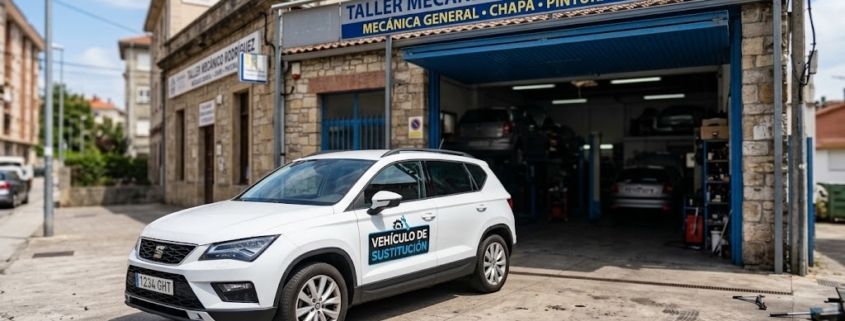
Replacement vehiclein case of accident or breakdown the company provide a courtesy car for the period of time that appears on the policy. 

Understanding these options allows drivers to tailor their coverage based on individual needs and preferences on the Spanish roads.

It is really important you know all the terms of the policy you are buying, the clauses are different on each Company, and the additional covers are also different. Check everything before taking it to be sure the product is what you need and contact with an expert company such as Bmi Brokers, where we will provide all the assistance you may require.