
Does Car Insurance Cover Vandalism? What Drivers Need to Know
Vehicle Vandalism: Scope and Impact
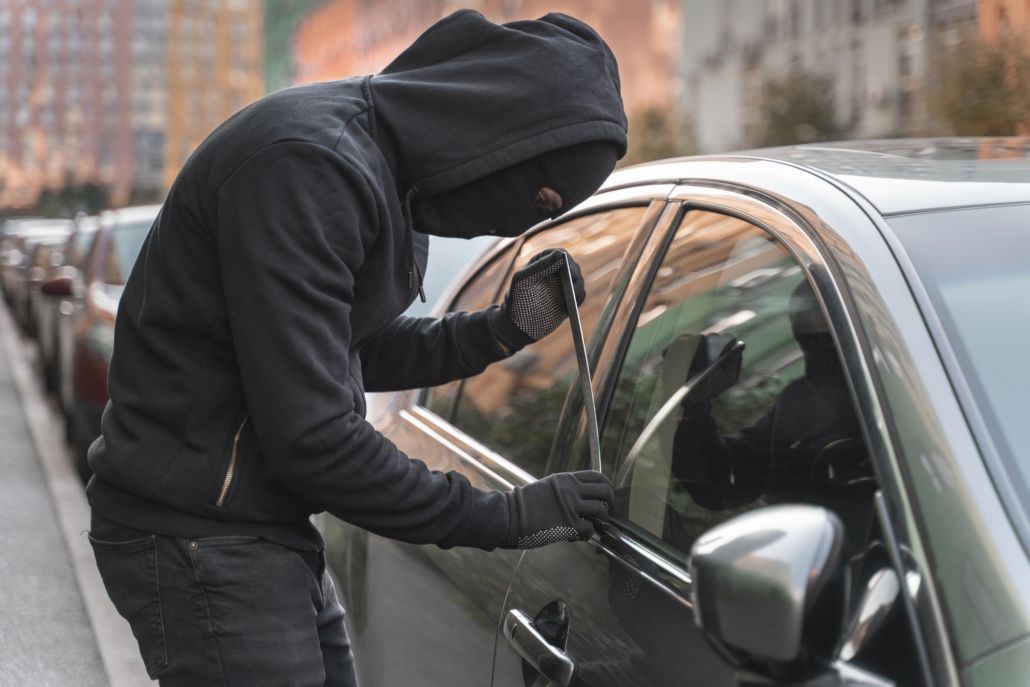
Car vandalism includes any deliberate act that damages a vehicle without the intention of theft. Common examples range from scratched paintwork and smashed windows to slashed tyres and broken mirrors. These incidents can happen anywhere, from residential streets to public car parks, and often leave drivers facing unexpected repair bills.
From an insurance perspective, vandalism is treated differently from accidents or theft. Because the responsible party is rarely identified, insurers must absorb the cost of repairs, which directly affects how claims are handled.
Car Insurance Policies and Vandalism Cover
Whether vandalism is covered depends largely on the type of car insurance policy in place. Fully comprehensive car insurance typically includes cover for malicious damage. This means that repairs to bodywork, glass, or other damaged parts can usually be claimed.
In contrast, third party only policies, as well as third party, fire and theft insurance, do not cover vandalism. Drivers with these policies would need to pay for repairs themselves.
Even with comprehensive cover, the level of protection varies. Some policies include specific benefits, such as glass cover, which may apply regardless of how a windscreen was damaged. Others may offer optional protection that prevents loss of no-claims discount following a vandalism claim.
What Insurers Class as Vandalism
Although definitions can differ slightly, insurers generally describe vandalism as intentional or malicious damage to a vehicle. Typical examples include:
- Scratched paintwork caused deliberately
- Slashed or punctured tyres
- Smashed windows where nothing was stolen
- Graffiti on body panels
- Broken lights or mirrors
- Deliberate dents to doors or panels
Accidental damage or wear and tear is not considered vandalism and is assessed under different policy terms.
Why Vandalism Is Treated as an At-Fault Claim
Car insurance claims are generally classified as either fault or non-fault. Vandalism claims fall into the at-fault category, not because the driver caused the damage, but because insurers cannot recover the repair costs from the person responsible.
This classification has important consequences. At-fault claims typically result in a reduction of the no-claims bonus and can influence future premiums, even though the incident was outside the driver’s control.
Excess Payments and No-Claims Bonus
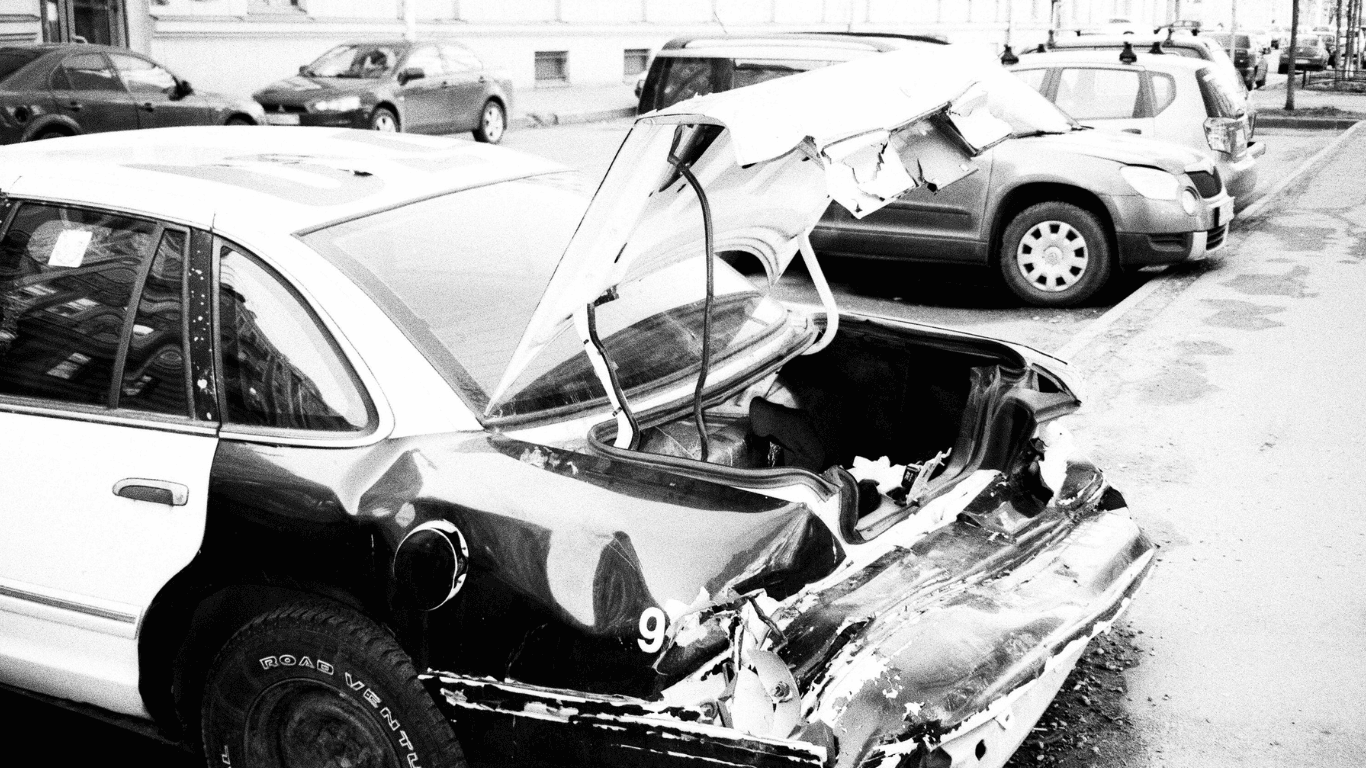
Most vandalism claims require the policyholder to pay an excess, which is the portion of the repair cost they agree to cover themselves. The amount varies depending on the policy.
In addition, making a vandalism claim usually affects the no-claims bonus. Some policies offer protection or special terms that prevent this loss, but these features are not universal and should be checked carefully.
Because of these factors, drivers sometimes choose to pay for minor repairs themselves, particularly when the cost of repairs is close to or lower than the excess.
What to Do If Your Car Is Vandalised
Taking the right steps after discovering vandalism can help ensure a smoother claims process and protect your interests:
- Report the incident to the police using the non-emergency channels and obtain a crime reference number.
- Take clear photographs of all damage from multiple angles.
- Contact your insurer if you intend to make a claim, providing all requested details.
- Avoid cleaning or repairing the vehicle until authorities confirm it is acceptable.
Documentation and evidence are crucial, even if the likelihood of identifying the offender is low.
Do You Have to Inform Your Insurer?
If you decide to pay for repairs yourself, you are generally not required to inform your insurer. This approach is sometimes chosen to preserve the no-claims bonus. However, it is important to review policy terms, as some insurers require notification of any incident, regardless of whether a claim is made.
Reducing the Risk of Vehicle Vandalism
While vandalism cannot be completely prevented, drivers can reduce their risk by parking in well-lit areas, using secure parking facilities where possible, and avoiding leaving vehicles in high-risk locations overnight. Visible security measures can also act as a deterrent.
Practical Takeaway for Drivers
Understanding how car insurance covers vandalism allows drivers to balance immediate repair needs with long-term financial impact. Reviewing policy details, excess levels, and no-claims protection before an incident occurs can make a signific
At BMI Brokers, we help drivers in Spain understand whether car insurance covers vandalism and which type of policy offers the right level of protection. Our experts clearly explain the differences between third-party and comprehensive insurance, what vandalism cover includes, how excess works, and how to avoid unexpected costs—always in line with Spanish insurance regulations.
Protect your car with confidence and clarity. Contact us today for personalised advice on car insurance in Spain and make sure you’re properly covered against vandalism and other common risks.
Don’t risk discovering gaps in your coverage when it’s too late. Visit our blog for more tips, guides, and updates on car insurance and other essential insurance solutions in Spain.


