Luxury home in Andalucia with furniture protected during long owner absence.

The 30-Day Empty Home Trap: A Warning For Expats in Spain

Spending the long summer months away from your Spanish residence is a common luxury for foreign homeowners. Leaving your property empty for extended periods, however, triggers a dangerous hidden clause in most standard insurance contracts. Securing a bespoke broker policy ensures your valuable home remains fully covered during your lengthy international absences.


THE HIDDEN DANGER OF THE 30-DAY UNOCCUPANCY RULE

You lock up your beautiful home in Marbella and head back to the UK for a six-week summer break. A flexible upstairs water pipe bursts unexpectedly during your third week away. The escaping water destroys your ceilings, luxury wooden floors, and expensive bespoke kitchen. You return in August expecting your standard online policy to settle the massive repair bill immediately.

The loss adjuster checks your smart water meter readings to determine the exact timeline. They discover the property was completely unoccupied for thirty-five consecutive days before the incident. Standard Spanish policies, unfortunately, automatically restrict or void water damage and theft cover after thirty days of vacancy. This hidden unoccupancy clause leaves countless shocked expats facing ruinous repair bills every autumn.

WHY GENERIC ALGORITHMS FAIL MOBILE EXPATS

Direct insurers and high-street banks rely on rigid automated underwriting algorithms. Their standard questionnaires never ask how many consecutive weeks you actually spend away from Andalucía. They treat your luxury holiday residence exactly like a permanently occupied suburban apartment. This fundamental mismatch creates massive, dangerous voids in your legal protection.

Spanish insurance law places the strict burden of disclosure entirely upon the policyholder. We strongly advise reviewing the official Spanish Insurance Contract Law text regarding ongoing risk alterations. Failing to notify an insurer about prolonged absences is legally considered a severe breach of contract. An automated comparison website will never, consequently, warn you about this vital geographical restriction.
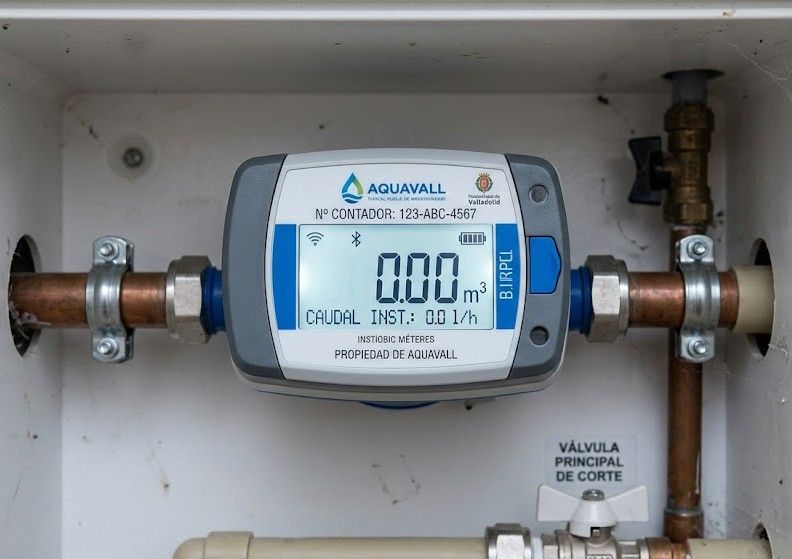
Checking smart utility meters to verify Spanish property unoccupancy limits.

THE BESPOKE BROKER SOLUTION

An expert broker approaches your property protection from an entirely different perspective. We examine your actual international lifestyle before recommending a single insurance product. If you regularly spend summers abroad, we negotiate a specific extended unoccupancy endorsement. This vital clause extends your full coverage limits to ninety or even one hundred and eighty consecutive days.

Protecting a secondary residence requires careful, proactive risk management. You might want to revisit our recent advice on preventing rural summer wildfires to see how external risks multiply when estates sit empty. We manually adjust your policy conditions to reflect your real living arrangements. You can travel the world, therefore, knowing your Spanish assets are genuinely secure.

SECURE TRUE ABSENCE COVER WITH BMI BROKERS

Standard off-the-shelf policies are completely unsuited to the modern international lifestyle. We audit your existing property contracts thoroughly at BMI Brokers to identify hidden unoccupancy traps. Our specialist team secures robust, tailored underwriting for homes across the Costa del Sol.

Handling complicated water damage claims is managed entirely by our dedicated multilingual staff. You will never, instead, fight a corporate loss adjuster alone over occupancy definitions. Protect your Spanish sanctuary properly before you pack your holiday suitcases this season. Speak to our private client team today and request a tailored property audit for your frequent absences.
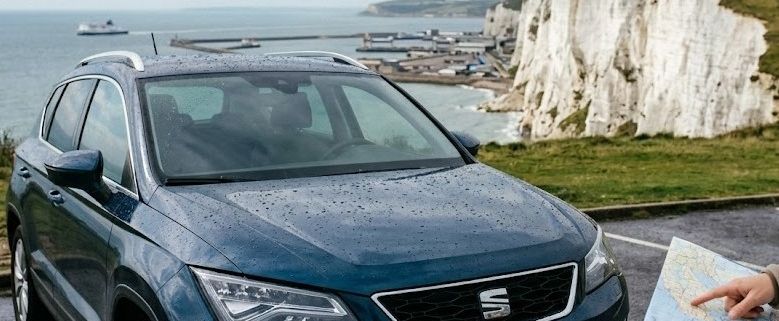
Spanish registered SUV arriving in the UK at Dover.

Driving a Spanish Car to the UK: Summer Rules & Cover

THE UNEXPECTED RISKS OF DRIVING TO THE UK

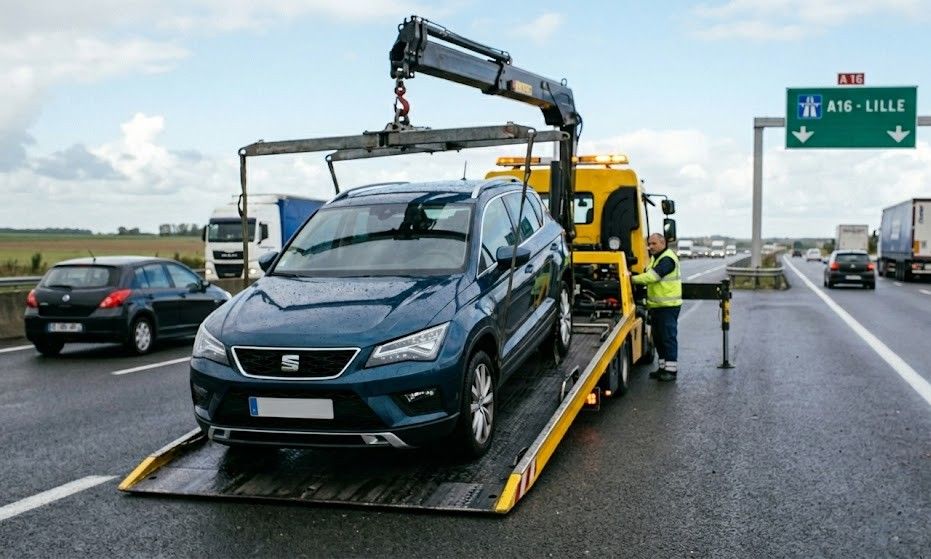
You pack your bags in Fuengirola for a long summer trip. Driving back to the UK is a popular choice for many. You cruise through France confidently on the motorway. A sudden engine failure, however, leaves your family completely stranded. The local mechanic demands immediate payment for the towing service. Your standard Spanish policy rejects the international claim instantly. This financial nightmare ruins many holidays for expats from Mijas. Relying on basic local coverage for cross-border trips is extremely risky.


UNDERSTANDING POST-BREXIT GREEN CARD MANDATES

Cross-border driving requires a clear understanding of international rules. You might assume Brexit ruined everything for foreign drivers. Travelling to the UK, indeed, no longer strictly requires a physical Green Card. You must, instead, carry your valid logbook and proof of insurance.

Failing to produce these documents can cause massive delays at Dover. We highly recommend checking the official UK government driving regulations for foreign vehicles before leaving. Ignoring these updates can result in your car being impounded. British traffic police actively check foreign plates during the busy summer.

Car breakdown recovery truck on a European motorway.


WHY STANDARD BREAKDOWN COVER FAILS ABROAD

Most high-street bank policies offer very weak international assistance. A breakdown near Paris can quickly become incredibly stressful. Standard insurers will usually refuse to repatriate your vehicle to Marbella. They often leave you paying for expensive French hotels yourself.

Premium expat car insurance, consequently, ensures you get full European coverage. Your policy must cover the expensive journey back to Andalucia. It is also highly beneficial to understand how Spanish no-claims bonuses transfer between countries before upgrading. Protecting your valuable vehicle during a long journey is absolutely essential.

SECURE COMPREHENSIVE EUROPEAN PROTECTION WITH BMI BROKERS

Preparing for an international road trip requires expert local advice. We review your exact travel itinerary carefully at BMI Brokers. Our team ensures your policy includes unlimited European roadside assistance. We negotiate robust comprehensive limits for your total peace of mind.

Navigating complex international claims is done entirely on your behalf. You will never, thus, have to argue with a foreign mechanic. You can focus entirely on enjoying your family holiday. Speak to our specialist expat team today and request a tailored car insurance quote for your UK road trip.

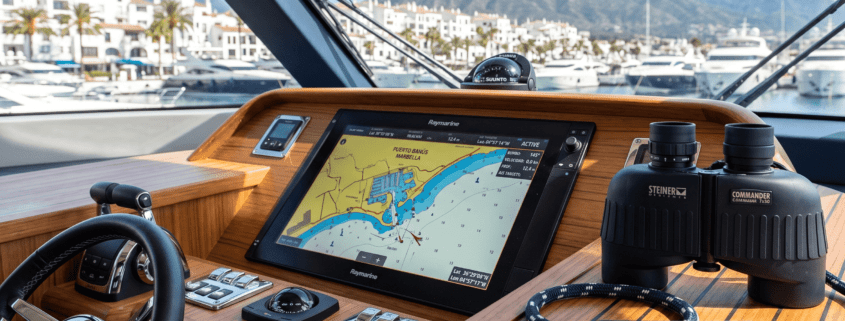
Modern yacht navigation dashboard in Puerto Banús Marbella

Marine Insurance: Secure Your Yacht This Summer

CRUISE INTO THE MEDITERRANEAN WITHOUT FINANCIAL ANXIETY

You finally launch your luxury yacht into the crystal-clear waters of Marbella. The summer sun is shining brightly. Suddenly, a mechanical failure strands you miles away from Puerto Banús. The local maritime rescue service arrives quickly. They tow your vessel safely back to the marina. A few days later, a staggering bill for emergency salvage operations arrives. Your standard UK marine policy, however, rejects the claim entirely. This shocking financial trap ruins the summer plans of many affluent expats on the Costa del Sol. Relying on inadequate foreign coverage for a premium vessel is a massive gamble.

NAVIGATING STRICT SPANISH RECREATIONAL BOATING LAWS

Spanish maritime authorities enforce incredibly strict regulations on recreational watercraft. You must comply with the official Spanish Ministry of Transport boating regulations regarding compulsory third-party liability insurance. Operating any motorised boat without this legal coverage carries severe financial penalties. Maritime fines can easily reach thousands of euros for basic non-compliance. Market rules in the UK are often much more relaxed for coastal cruising. Spanish port authorities, instead, actively inspect paperwork at popular marinas. You cannot simply drop anchor and hope for the best. Holding valid Spanish documentation is absolutely mandatory for all foreign boat owners.

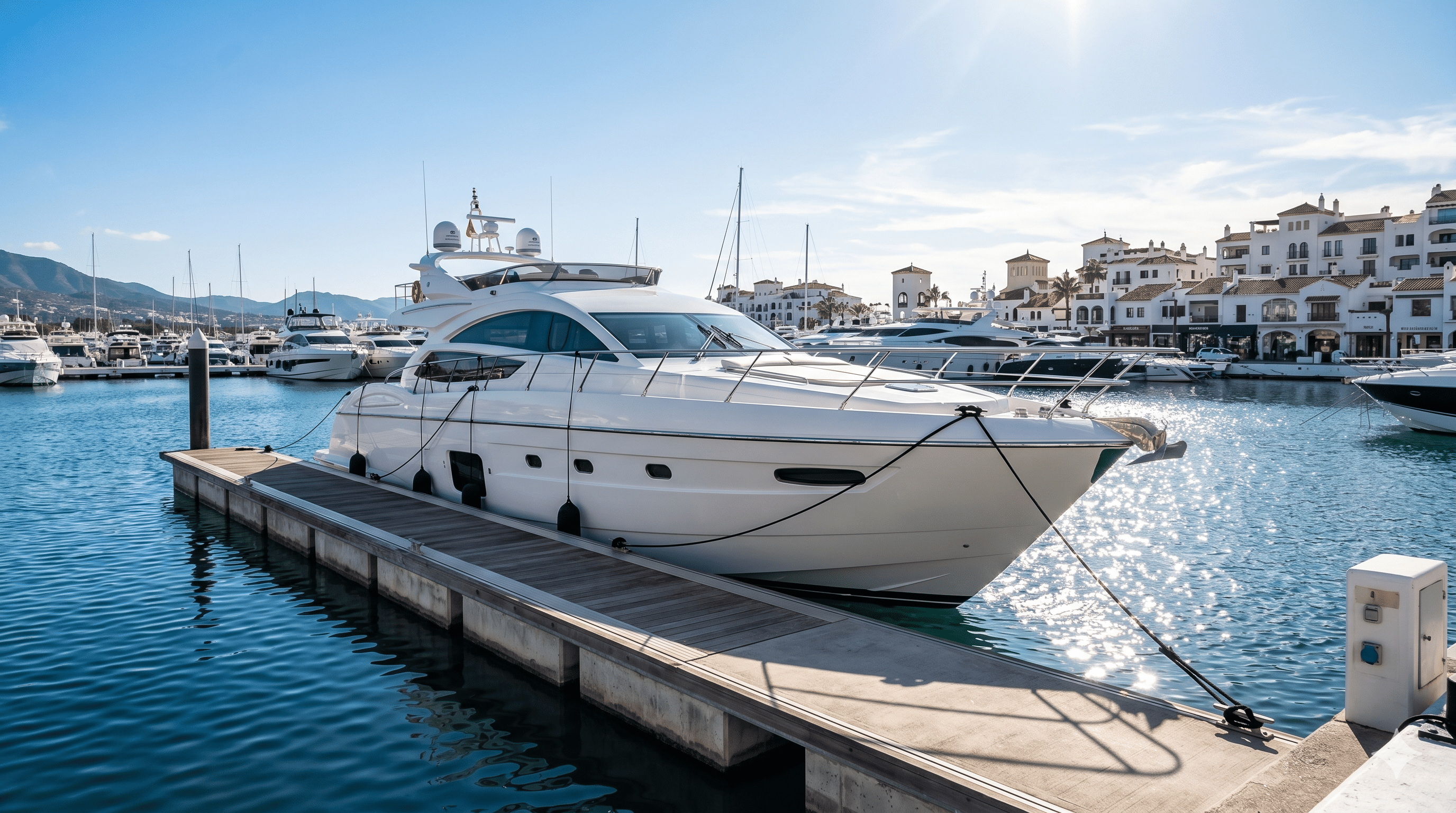
Luxury yacht moored securely in Puerto Banús Malaga.

WHY GENERIC SHIPYARD POLICIES LEAVE YOU VULNERABLE

You absolutely need a specialized marine policy tailored for the Mediterranean. A basic shipyard insurance plan simply ignores the unique risks of luxury vessels. Theft of high-value navigation equipment or bespoke tenders is a growing concern. A rogue wave could, for instance, damage your expensive onboard electronics. Premium marine insurance specifically protects your asset against vandalism and accidental damage in Sotogrande or Mijas.

Protecting your personal liability is equally vital while entertaining guests onboard. An accidental slip on a wet deck could lead to a serious lawsuit. Your policy must, therefore, include robust legal defence cover. Ignoring this specific risk leaves your entire estate vulnerable, which is just as dangerous as failing to accurately calculate the building and contents value of your Spanish villa.

LAUNCH WITH ABSOLUTE CONFIDENCE THIS SUMMER

Protecting your valuable maritime investment requires expert local underwriting knowledge. We review your exact vessel specifications carefully at BMI Brokers. Our experts ensure your yacht meets all Spanish legal insurance mandates. We secure comprehensive hull coverage limits for your peace of mind.

Our professional brokers handle the complex Spanish paperwork entirely on your behalf. You will never, thus, struggle with confusing maritime exclusions in a foreign language. Do not leave your wealth exposed to unpredictable sailing accidents. Speak to our specialist expat team today and request a bespoke marine insurance quote tailored for your vessel.

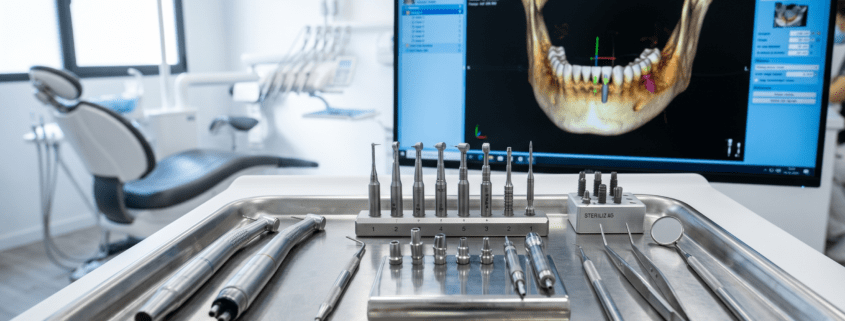
Modern dental implant tools and 3D jaw scan in a Spanish clinic.

Dental Insurance Spain: Implants & Orthodontics Cover

THE HIDDEN COSTS OF DENTAL CARE IN SPAIN

Many expats assume the public health system covers everything. They experience a severe toothache shortly after moving to Marbella. The financial reality hits them very quickly. Public dental care, unfortunately, is extremely limited for adults in this country. Relying on the state system for a perfect smile is impossible.

Unlike in the UK, finding a comprehensive state dentist here is not an option. The Spanish public system only covers emergency extractions and basic diagnostics. Routine check-ups and complex procedures are completely excluded. You must, therefore, pay out of pocket for any restorative treatments. A single dental implant can easily cost over €1,500 at a private clinic. Fixing your teenager’s teeth with orthodontics will cost significantly more.

Official UK Government Healthcare Advice for Expats in Spain

SECURING COVER FOR IMPLANTS AND ORTHODONTICS

Paying thousands of euros upfront is a huge financial shock. Private dental insurance offers a much smarter alternative for foreign residents. These specialised policies provide significant discounts on expensive cosmetic procedures. You can, for instance, save up to 50% on complex orthodontic braces.

Premium plans also include free annual check-ups and essential x-rays. Finding reputable English-speaking dentists on the Costa del Sol becomes completely effortless. You gain immediate access to a vetted directory of top-tier professionals. This saves you from guessing which local clinic provides the best care.

For more essential insights on navigating the local medical system safely, you might want to read our dedicated guide on How to Choose the Best Expat Health Insurance in Andalucia.

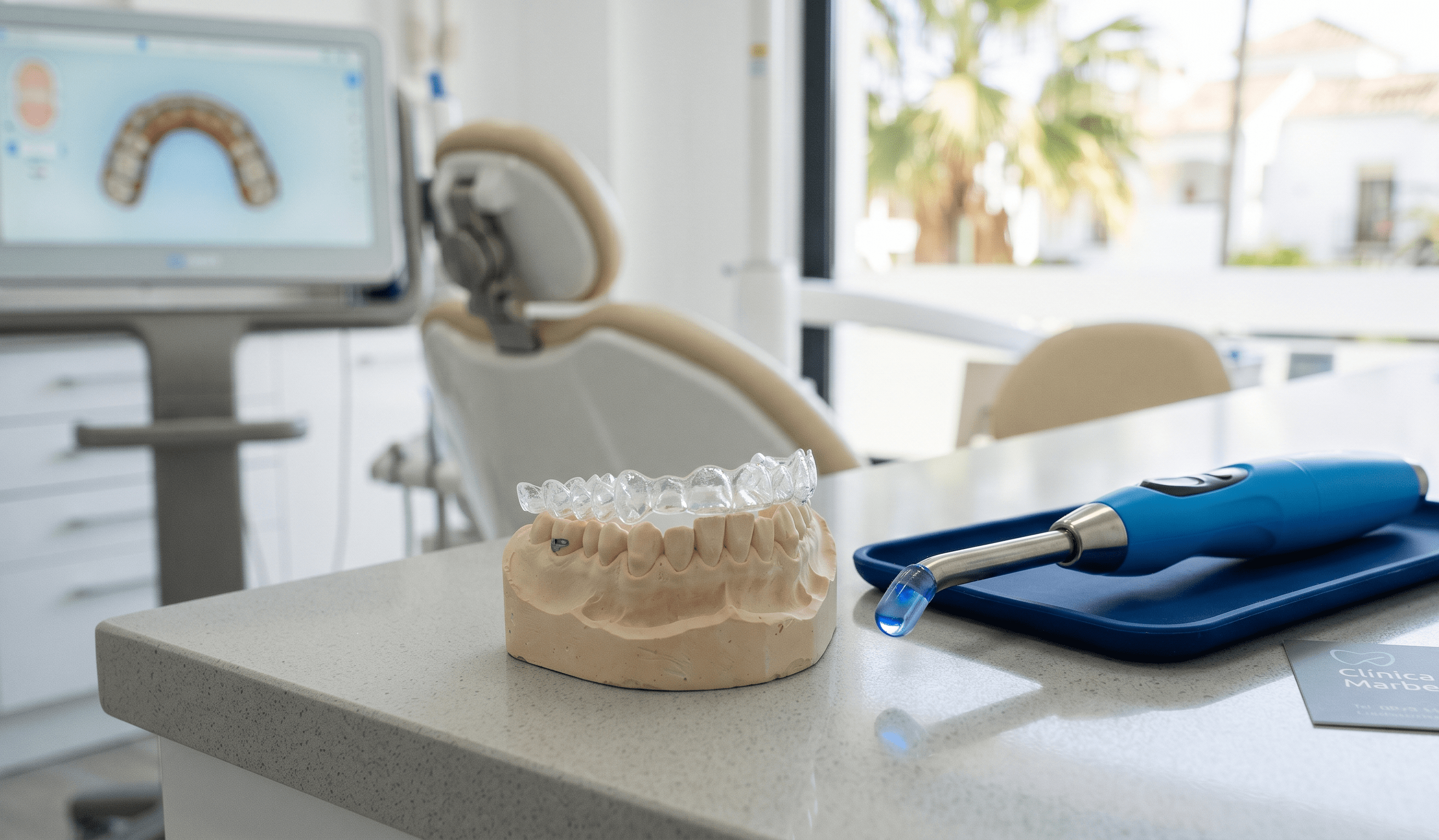
Clear orthodontic aligners and dental tools for expat treatment.

ACCESS TOP CLINICS WITH BMI BROKERS

Your family deserves the highest standard of care in Fuengirola or Mijas. We negotiate directly with top medical networks at BMI Brokers. Our team ensures your chosen policy includes an extensive local dental network. Waiting times are drastically reduced when you need urgent root canal treatments.

We handle the complex Spanish paperwork entirely on your behalf. You will never, thus, struggle with frustrating translation issues at the reception desk. Our experts explain exactly what percentage of the implant cost is covered. You will always know your exact financial commitment before sitting in the dentist’s chair.

Do not wait for a painful dental emergency to ruin your monthly budget. Preventative care is always significantly cheaper than complex restorative surgery. Speak to our specialist expat team today. We can easily secure the perfect dental protection for your family.

Get a Health Quote customized for Expats

Insurance for Expat Freelancers in Spain: Mandatory Coverage

Choosing the right insurance as an expat freelancer in Spain can feel overwhelming, especially when you are confronted with unfamiliar concepts such as third-party insurance, policy, or excess. While insurance is not always legally required for self-employed workers, understanding which policies are mandatory, which are optional, and which provide real long-term value is essential for protecting both your business and personal life. This guide offers a clear, practical overview of insurance for expat freelancers in Spain, structured by key entities such as institutions, professional collectives, and territory.

 Spain’s Legal and Institutional Framework for Freelancers

From an institutional perspective, Spain does not impose blanket insurance obligations on freelancers. What is mandatory instead are fiscal and social contributions: income tax, VAT where applicable, and Social Security payments through the “cuota de autónomos.” This monthly contribution grants access to the public healthcare system and contributes toward a state pension. Although it functions similarly to insurance, Social Security is not a private policy and does not replace other types of coverage you may need depending on your activity.

Since 2023, the freelance quota has been linked to predicted income levels. While it is possible to contribute more voluntarily, most freelancers opt for the minimum contribution, which covers healthcare but results in a lower retirement pension. This institutional reality explains why many expat freelancers look beyond the public system and supplement it with private insurance solutions.

Mandatory Insurance by Professional Collective

Insurance obligations in Spain depend largely on the professional collective you belong to. Freelancers working in low-risk digital professions such as design, software development, or consulting typically face no mandatory insurance beyond Social Security. However, other collectives must comply with additional requirements.

Vehicle insurance is mandatory for anyone driving in Spain, whether the vehicle is used for personal or professional purposes. At a minimum, drivers must hold seguro a terceros (third-party insurance), while many freelancers opt for seguro a todo riesgo (comprehensive insurance) to avoid high out-of-pocket costs after accidents. Annual premiums average around €340, depending on coverage and vehicle type.

Liability insurance becomes compulsory for freelancers whose work involves physical risk, public interaction, or potential damage to third parties. Builders, plumbers, electricians, and any business open to the public must hold liability coverage to obtain operating permits. This insurance protects against costly claims and can cover damages running into millions of euros.

Industrial injury insurance, known as seguro de convenio, is mandatory for freelancers who employ staff. It covers workplace injury, disability, or death and carries severe penalties if ignored, including fines of up to €190,000.

Optional Insurance That Adds Real Value

Beyond legal requirements, many expat freelancers in Spain choose optional insurance to improve quality of life and financial security. These policies are particularly relevant for long-term residents and digital professionals.

Private health insurance is one of the most popular options. While the public system covers essential care, private insurance offers shorter waiting times, broader specialist access, and more English-speaking professionals. Comprehensive plans can cost around €1,800 per year and are often tax-deductible when related to professional activity.

Private pension plans are another strategic choice. Self-employed workers receive significantly lower state pensions than salaried employees, making private contributions a crucial form of long-term protection. Many insurers in Spain offer pension products tailored specifically to freelancers.

Home and contents insurance is especially relevant for freelancers working from home. Building insurance protects the property structure, while contents insurance covers equipment such as laptops and professional tools. Annual premiums average around €190, depending on location and property value.

Travel insurance is highly recommended for location-independent freelancers. It covers healthcare abroad, loss of essential equipment, and travel disruptions. Annual worldwide coverage can cost as little as €50 and is particularly valuable for laptop-dependent professionals.

Other optional policies include life insurance, pet insurance, and commercial insurance, each offering additional peace of mind depending on personal circumstances.

Understanding Key Spanish Insurance Terms

Familiarity with Spanish insurance vocabulary can prevent misunderstandings and underinsurance. Common terms include prima del seguro (insurance premium), indemnización (payout), reclamo de seguros (claim), and plan de pensión (pension plan). Understanding these concepts helps expat freelancers evaluate policies accurately and avoid costly gaps in coverage.

Choosing the Right Insurance Provider in Spain

From a territorial and market perspective, Spain offers a wide range of national and international insurers. Expat freelancers should prioritize providers that offer services in English or their native language, transparent policy conditions, international coverage, and the possibility of managing multiple policies through a single contact. Language clarity is particularly important, as research shows expats are more likely to be underinsured due to misunderstandings of local coverage terms.

Practical Takeaways for Expat Freelancers

Insurance for expat freelancers in Spain does not have to be complicated. Start by identifying which policies are legally required for your profession, then assess optional insurance based on your lifestyle, risk exposure, and long-term plans. Remember that many business-related policies are tax-deductible, reducing their real cost. By making informed choices, you can stay compliant, protect your income, and enjoy the freedom of freelance life in Spain with confidence.

At BMI Brokers, we help expat freelancers in Spain understand and choose the right insurance solutions without overpaying or missing essential coverage. Our experts explain mandatory requirements clearly, compare policies from trusted insurers, and guide you through optional protections that fit your professional and personal situation—always in full compliance with Spanish regulations.

Work legally and with peace of mind from day one.
Contact us today for personalised insurance advice for freelancers in Spain and get coverage tailored to your needs and budget.

Don’t risk being underinsured or paying more than necessary. Visit our blog for more tips, guides, and updates on freelancer insurance and other essential coverage for expats living and working in Spain.

Cast Insurance: What It Is and What is Cover

f you’ve ever broken a bone or needed a cast, you’ve probably wondered: do I need cast insurance? And how much does a cast cost with or without insurance? These are important questions — especially if you’re not currently covered. In this article, we’ll explain everything you need to know about cast insurance, treatment costs, and how our private health insurance at BMI Brokers can help you cover these unexpected medical expenses. We’re here to make sure you’re protected when you need it most..

What Is Cast Insurance?

While there isn’t a specific product called “cast insurance”, having comprehensive health insurance that covers orthopedic treatment and rehabilitation is essential. Cast-related costs can quickly add up — from the initial application to follow-up visits and potential complications.

With the right health insurance, you’ll avoid paying out-of-pocket for expensive casts or medical procedures.

Are You Insured to Drive With a Cast?

A common question is: are you insured to drive with a cast on? The answer depends on your auto insurance policy and local laws. Generally:

  • If you have a valid driver’s license and your doctor confirms you can safely operate a vehicle, your insurance should cover you.
  • However, some insurers may require notification if you have a cast, as it can affect your ability to control the car.
  • Driving while wearing a cast without informing your insurer could risk denial of coverage in case of an accident.

Always check your specific auto and health insurance policies, and consult your doctor before driving with a cast.

How Much Does a Cast Cost With and Without Insurance?

Another frequent concern is cost. How much does a cast cost with insurance?

  • With insurance coverage, your out-of-pocket expenses could be minimal, often just a co-pay or deductible.
  • Without insurance, the cost of a hand cast alone can range from $200 to $1,000 depending on the materials and location.
  • Total costs can increase with additional treatments such as X-rays, specialist visits, or physical therapy.

What About Cast Iron Insurance?

You might also have heard of “cast iron insurance” — which actually refers to insurance products related to cast iron assets (like boilers or piping), not medical casts. For your health needs, focus on getting solid health insurance coverage.

How to Protect Yourself From High Cast Costs

  • Get health insurance that covers orthopedic care. BMI Brokers specializes in private health insurance plans that include treatment for fractures, casts, and rehabilitation.
  • Inform your auto insurer if you’re driving with a cast to ensure your coverage remains valid.
  • Consider supplemental policies if you have a high-risk job or lifestyle prone to injuries.

Why Choose BMI Brokers for Your Health Insurance?

At BMI Brokers, we help individuals and families in Spain find the best private health insurance plans tailored to their needs and budgets. Our policies cover a wide range of medical treatments, including orthopedic care, so you can get quality cast treatment without worrying about the cost.

We work with top insurers to provide competitive pricing and excellent claims support, making sure you’re fully protected.

Ready to get covered? Explore our health insurance plans today and find the right policy for you.

Broken bones and casts are unpredictable but manageable when you have the right insurance coverage. Knowing how much a hand cast costs without insurance versus with insurance can save you from financial stress. And always make sure you’re covered when driving with a cast.

Looking for health insurance that includes cast and orthopedic care? Contact us today for a free quote and expert guidance.

For more details on insurance coverage, feel free to visit our blog and explore more expert insights. Trust BMI Brokers to guide you through the complexities of insurance policies tailored to your specific needs.

Dog Liability Insurance Spain

Dog Liability Insurance in Spain: Evertyhing You Need to Know

Having dog liability insurance in Spain is essential to protect yourself from potential damages or incidents caused by your pet. This article delves into how this type of insurance works, what it covers, and why it is a smart investment for any dog owner in Spain.

What is Dog Liability Insurance?

Dog Liability Insurance Spain

Dog liability insurance in Spain protects pet owners from financial risks.

Dog liability insurance in Spain is a specific type of coverage that protects pet owners against damages or injuries caused by their dogs. This policy provides financial security, ensuring that any expenses or legal issues arising from incidents involving your dog are covered.

Key Components of Dog Liability Insurance

A well-structured dog liability insurance policy will typically cover the following:

  • Third-party injury: Covers medical expenses or legal claims if your dog accidentally injures someone.
  • Property damage: Ensures that any accidental damage caused by your dog to someone’s property is covered.
  • Legal fees: Covers potential legal fees if a claim is brought against you.

Why is Dog Liability Insurance Important in Spain?

Spain has specific regulations for pet owners, especially for breeds considered potentially dangerous. A dog liability insurance policy protects you financially and legally if an incident occurs, making it an essential consideration for any responsible pet owner.

Understanding your responsibilities as a pet owner in Spain is essential. The Ministry of Social Rights and 2030 Agenda offers crucial information about animal welfare and legal obligations, including the requirements for dog liability insurance. Visit their official website here to ensure you comply with local regulations and provide the best care for your furry friends.

Key Benefits of Dog Liability Insurance

  • Financial Protection: Dog liability insurance covers the costs of medical bills, property repairs, or other expenses related to accidents caused by your pet.
  • Peace of Mind: With dog liability insurance, you have the assurance that you are prepared for unexpected situations, avoiding financial strain in case of an incident.
  • Compliance with Spanish Regulations: In many regions of Spain, insurance is mandatory for certain dog breeds. With this coverage, you comply with regulations while keeping your family and community safe.

How to Get Dog Liability Insurance in Spain

The process of securing dog liability insurance in Spain includes the following steps:

  1. Research Providers: Look for a reputable insurance provider offering comprehensive coverage.
  2. Compare Policies: Assess different policies to find the one that best suits your needs, focusing on coverage limits, exclusions, and additional benefits.
  3. Complete the Application: Submit the necessary documentation and details about your dog, including breed, age, and health status.
  4. Review Policy Details: Before finalizing, thoroughly review the policy to understand what is and isn’t covered.

Common Questions About Dog Liability Insurance

  • Is dog liability insurance mandatory in Spain?
    Yes, for certain breeds and in specific regions, dog liability insurance is required by law to ensure public safety.
  • What breeds are considered potentially dangerous in Spain?
    Breeds such as the American Pit Bull Terrier, Rottweiler, and others are classified as potentially dangerous, requiring insurance by law.
  • Can dog liability insurance be added to a home insurance policy?
    Some insurance providers allow dog liability insurance to be an add-on to your home insurance policy, but it’s essential to verify the extent of coverage offered.

Explore Comprehensive Pet Insurance with BMI Brokers

In addition to dog liability insurance, it’s wise to consider pet health insurance to cover medical expenses for your dog. This coverage can save you significant expenses on routine and emergency veterinary care, giving you comprehensive protection for your pet’s health.

At BMI Brokers, we are committed to helping you secure the best dog liability insurance in Spain for you and your pet. Our offerings go beyond just liability coverage; we provide a comprehensive range of pet insurance options that ensure your furry friend has access to the best care in case of illness or accident. With BMI Brokers, you can rest assured that your pet’s health and safety are our top priorities.

Discover Comprehensive Cat Insurance for Your Feline Friend

Cat Insurance

Cat insurance provides essential coverage for your feline friend, ensuring financial protection against unexpected veterinary costs and medical emergencies.

As a pet owner, ensuring the well-being of your furry companions is a top priority. If you’re interested in safeguarding not only your dog but also your cat, check out our article on Cat Insurance in Spain: Comprehensive Protection for Your Pet. This resource delves into the various coverage options available for your feline friend, ensuring they receive the best care without the burden of unexpected costs. Learn how cat insurance can provide peace of mind and protect your pet in times of need. Don’t miss out on discovering essential coverage details that will keep your kitty happy and healthy!

Contact Us Today!

Contact us today to explore our pet insurance options, including dog liability insurance in Spain. Let BMI Brokers help you protect your beloved pet with confidence—get your personalized quote now!

Keep exploring our blog for more useful tips and relevant news about our different insurance policies and coverage options tailored to your needs. Trust BMI Brokers to provide you with the necessary support and expertise to navigate the complexities of insurance. Visit our blog today and stay informed!

Pet Insurance

Pet Insurance

We know that pets are not only domestic animals, but they are also members of our family. As owners, we must take care of them, educate them, treat them well and protect them. However, if an accident happens or your pet gets sick, it is important to be prepared to give them the care they deserve. Without unbalanced family accounts, is this the way to do it?

That’s why today we want to tell you what pet insurance is and how it can help you cover part of the expenses by providing protection against possible risks.

1º Underwriting rules.

Young and healthy animals are easy to insure, but companies do not accept insurance for animals of a certain age, generally pets older than 8 years. We are talking about the date of signature, if we sign the contract, let’s say it is 5 years old, it is not going to be delivered at 8 years. Puppies must be at least 3 months old, depending on the company.

Pet Insurance

2ºTypes of insurance

Veterinary Insurance: These are health insurances for our pets. They cover us if our pets need medical treatment in case of accident or illness. They do not cover maintenance expenses such as vaccinations, castration, microchip, check-ups, deworming.

Accident insurance: These will cover the treatment our animals need after an accident. They do not cover diseases but are less expensive than veterinary insurance.

Civil responsibility: if our animals cause damage to a third party, the third party will hold us responsible. It is important to remember that, by law we are responsible for any damage caused by pets. This insurance can pay for possible lawsuits or no lawsuit. This coverage is optional when taking out veterinary or accident insurance and can even be taken out separately.

3º Exclusions

These are the conditions and diseases that will not be covered by the policy and will be reflected in the particular or general conditions of the policy. By way of summary and depending on each policy, the exclusions may be:

– Congenital diseases or anomalies.

– Hip or elbow dysplasia.

– Alterations of the eyelash, third eyelid.

– Elongation of the palate

– Non-traumatic umbilical hernias.

– Expenses derived from those infectious diseases that are subject to vaccination if the patient has not been properly vaccinated.

– Expenses derived from the declaration or suspicion of rabies.

Pet Insurance

4º Prices

Insurance rates vary depending on the following factors:

Breed: some breeds are more prone to certain diseases than others.

Age: the older the animal, the more it will cost to insure it, since it implies more risks, just as old people have more diseases than young people, the same thing happens with dogs.

Animal value: if your dog has a market value higher than the standards of its breed, either by pedigree or prizes won, you can contract a higher value, in case it is stolen or dies.

Veterinary or Accident Only Insurance. Sickness coverage is more expensive than accident coverage because an accident can happen, but getting sick is much more common.

Coverage and limits: many of the coverages are included in the price, but others are optional, the more you contract the higher the price of the insurance.

Excesses and reimbursement percentage: the higher the amount of the excesses and the lower the reimbursement percentage, the amount of the premium will also decrease.

Insurer: not all companies have the same prices for similar insurance policies. Sometimes we pay the brand name, and sometimes it is simply that two insurers quote the same dog, with the same breed and age differently.

In conclusion, we believe that BMI is a very good choice for all your insurance needs, from health insurance to car insurance or home insurance. Also, it is interesting to know that you can add your pet insurance to your home insurance. If you have any questions, please do not hesitate to contact us.


Good home insurance

How do you know if you have good home insurance?

Policies are not all the same and you need to read the small print with a fine-tooth comb, say experts

Is it compulsory to have home insurance in Spain? In principle, no, unlike in other nearby countries, where it is compulsory even for tenants. In Spain, however, the new Real Estate Credit Law – in force since mid-June – allows banks, in order to grant a mortgage, to require that the property to be purchased be insured, although they are obliged to accept alternative policies submitted by the client, if these meet the conditions required by the bank. But, in the case of wanting or having to do so, what should the ideal home insurance policy be like in order to be really effective?

It is a question that potentially interests a large number of users, as home insurance protects more than three quarters of Spanish homes. If 30 years ago only one in five Spanish households had this type of policy, at the end of 2018 almost 20 million of the 25 million houses and flats that make up the housing stock were insured, according to the insurance business association Unespa.

And the larger the size, the higher the insurance rate. At one extreme, only 18.7% of the usual one-room dwellings (a term that includes kitchens of more than four square metres, among other rooms) have home insurance, but, at the other, this proportion reaches 75% in the case of those with five rooms or more.

These figures do not satisfy Carlos Lluch, technical director of the brokerage Lluch & Juelich, for whom “in Spain there is no culture of risk and prevention, and the effects are felt on a day-to-day basis and also in extreme situations”, such as the floods last October in Mallorca. Those affected who did not have home insurance, says Lluch, have not been able to benefit from the coverage that the Insurance Compensation Consortium offers in the presence of risks that companies do not assume, such as material damage caused by exceptional natural phenomena, precisely because the condition to be able to take advantage of it is to be insured.

Good home insurance

Two types of policy

In the words of the spokesperson for the Organisation of Consumers and Users (OCU), Ileana Iverniceanu, “there are mainly two types of home insurance: multi-risk and accidental all-risk”. The former list each risk they cover (fire, meteorological phenomena and theft, among others), each with its limitations and exclusions, but with no excess. On the other hand, the latter cover all damages caused by an accident, with some exceptions. “In each claim, the insured will pay an excess and they have some limitations, but their coverage is broader”, says Izverniceanu, for whom these are the ideal policies. “Also because they are shorter and simpler, the contract is more understandable,” he says.

This type of home insurance, however, is very rare in the Spanish market. “Here, companies market multi-risk insurance and, on top of that, you can optionally take out the accidental all-risk cover,” Iverniceanu explains. In his opinion, this is a good solution to provide a broader coverage, because it has the advantage that, for ordinary claims, no excess would be applied. However, for those covered by the additional guarantee, apart from the deductibles or minimum indemnifiable damages, “limitations may appear (for example, a maximum indemnity of 6,000 euros per claim and year) that would make them uninteresting”, he points out.

Securing reconstruction

Whichever option is chosen, Lluch’s first recommendation is to “correctly value both the building and the contents, identifying what is most important for the continuity of the family’s quality of life”. Even if they have the same surface area and the same architectural characteristics, a flat on the beachfront will not have the same value as another flat five streets further inland. Rebuilding them in the event of a wreck, however, will cost the same. Therefore, for this expert it is important to ensure the real reconstruction value of the flat or house and not, as banks often require, the capital of the loan, as these are amounts that almost never coincide. And, if the property is located in a community of owners, it is necessary to find out whether the entire property already has a building insurance policy. If so, it would make no sense for the bank to require the client to take out insurance for the building, as this would be a duplication of insurance. A transfer of rights for the co-ownership share held in favour of the bank will suffice.

Lluch’s advice for correctly valuing the contents to be insured is to make an inventory every three years of “all the goods that populate our lives and with which we would like to start again in the event of an accident”. But you have to pay close attention to the valuation criteria adopted by insurance companies. “In many policies they will not pay for household appliances if they are over a certain age and they may apply depreciation to almost everything, ruining our expectation of staying as we were before the accident,” says Lluch. So he warns: “Beware of cheap insurance”.

And, since it is impossible to insure absolutely everything, documents, files, photos and in general anything particularly valuable from an emotional rather than a material point of view will have to be adequately protected, because insurance will not be able to pay for them with money.

Good home insurance

A hotel and even the rent

Another element to check is that in the event of serious accidents, the insurance covers a few days’ hotel accommodation and up to a year’s rent for another house. “There are low-cost companies that do not cover this, and we must be aware that saving a few euros can be very expensive,” warns Lluch.

But it will also be necessary to ensure that the capital covered by civil liability is at least 600,000 euros: “Imagine we have a fire and damage two flats like ours and we will understand why”, says Lluch, who also adds in this chapter the risks of private life (“Do we travel? Do we ride a bike? Do we have a recreational drone?”, are examples of questions that, in his opinion, we should ask ourselves).

And, very importantly, it is a good idea to take out the damage claim in another specific insurance policy. If we take out this cover within the home insurance policy, which allows us to cover the legal costs of the claim for damages we have suffered, it will not be valid for claims against the insurer itself. “It is better to be able to do so”, suggests Lluch.

Funeral expense insurance

How much does a funeral cost without funeral insurance?

Do you know how much a funeral costs in Spain? According to a study carried out by the OCU (Consumers’ Organisation), the average cost of a funeral in Spain is around 3,500 euros.

However, some factors such as the services contracted, the location or the transfer or repatriation to another country may increase the final cost. At BMI Spain, we can tell you how much a funeral costs without funeral insurance and why you should have this policy.

How much does a funeral cost in Spain?

As we have already mentioned, a funeral in Spain costs between 3,000 and 3,500 euros on average; however, this cost will depend on whether the funeral takes place in a provincial capital or in a smaller place such as a village. Another important factor is the place where the wake or the services contracted are to be held, among others. To give you a general idea of how much a funeral costs in Spain, a service including all the extras can cost as much as 10,000 euros.

Another way of finding out how much a funeral costs in Spain is through the study carried out by UNESPA (Spanish Union of Insurance and Reinsurance Entities), according to which the most expensive cities are located in the north-east of the mainland, with Girona, Madrid and Barcelona heading up the list. In contrast, the cheapest Spanish cities for funerals are the following: Zamora, Santa Cruz de Tenerife, Palencia, Soria and Cuenca, as well as the autonomous cities of Ceuta and Melilla.

However, in other cities such as Zaragoza, Bilbao, Murcia, Malaga, Cordoba and Las Palmas de Gran Canaria, a burial is less expensive than the average in Spain.

How much does a funeral cost?

To find out how much a funeral costs in Spain without funeral insurance, we should consider the different expenses that the family will have to pay if they do not have this type of policy. The main expenses of a funeral in Spain are:

The funeral parlour

To rent a room in a funeral parlour where relatives can comfortably receive friends and loved ones of the deceased and say their last goodbyes costs approximately 500 euros, although this can vary as it often depends on municipal taxes or the private entity that organises it.

The casket or coffin

Another of the expenses that should be taken into account when calculating the cost of a funeral in Spain is the coffin or casket chosen. Depending on the material it is made of or its design, the price can vary between 800 and 1,000 euros. However, you can find coffins that cost as much as 10,000 euros.

Headstone and Niche

As with caskets, there is a wide range of headstones available with different designs and materials; the price usually starts at 500 euros. Furthermore, the niche usually costs between 150 and 500 euros per year, although this may vary depending on the Autonomous Region.

Cremation

Cremation is one of the most popular options for Spanish families, as it represents a great saving in the cost of burying a person, as some elements such as the niche, coffin, headstone, etc. can be discarded.

The price of cremation is between 250 and 800 euros, and the urns containing the ashes are not usually as expensive as coffins, and there is a wide variety of possibilities in terms of materials and design. It is possible to store the urn in a columbarium; however, the cost of a space would start at around 300 euros.

Transportation

Moving the deceased, either from the wake to the cemetery or because it is necessary for the deceased to be expatriated to another country, is an essential expense for the funeral. In the first case, the price will be around 500 euros, and in the second case, that is, if the deceased has to be transferred to his or her country of origin, the price can amount to 6,000 euros.

Funeral expense insurance

Other funeral expenses

You may now have an idea of how much a funeral costs in Spain without funeral insurance with the above-mentioned costs, but there are others to be added:

  • Flowers: the choice of wreaths, bouquets, palms or floral displays, as well as the flowers used and their quality, influence the final cost. Normally in Spain, , buying flowers to pay condolences to the loved ones of the deceased can cost between 500 and 1,000 euros.
  • Obituary: depending on whether the note is published in a local or national newspaper, the price can vary between 450 and 500 euros.
  • Condolence book: when people attend the funeral, they can leave a farewell note to the deceased if they wish, the cost is around 150 euros.
  • Certificates and other formalities: when someone dies, the family has to arrange the formalities at the civil registry office, to obtain the death certificate or to request the certificate of last will and testament. The cost of each of these formalities is around 150 euros.

What is funeral insurance and why is it important to have a policy?

Now that you know how much a funeral costs in Spain without funeral insurance, you will probably want to know a little more about this type of policy. A funeral insurance policy consists of an agreement between an insurer and the insured, whereby the insurer takes care of all the expenses that may arise from the death of the insured included in the policy in exchange for the payment of a premium.

If the sum agreed in the contract exceeds the expenses of the services rendered, the policy holder or, failing this, the heirs of the deceased, are liable for this amount.

At BMI Spain we help you find the insurance you are looking for

 Would you like to take out health, home or travel insurance, among others, but don’t know where to start? At BMI Spain, we can help you find the insurance that best meets your needs, so you don’t have to worry about anything.

For more information, you can contact us through any of our channels and we will gladly assist you.