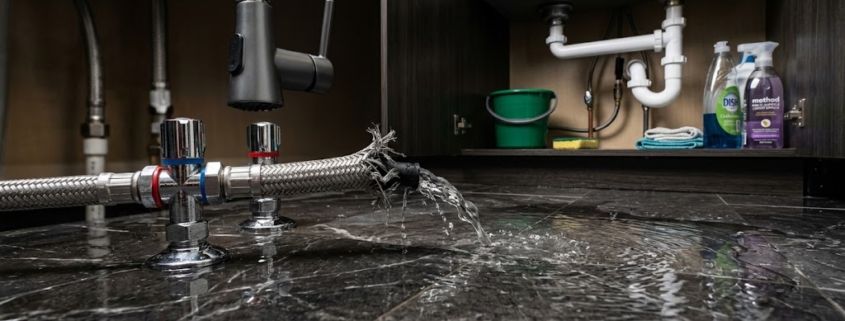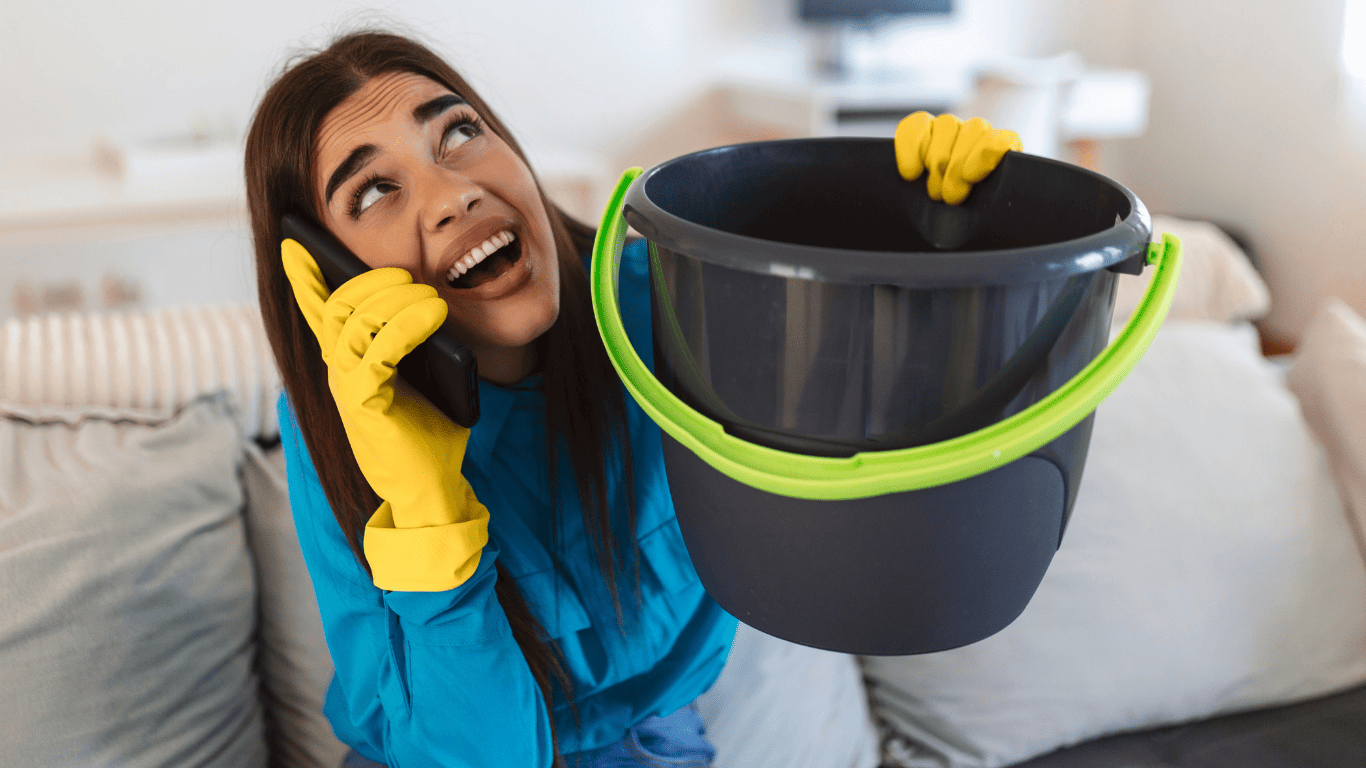
Tubería de agua rota inundando el suelo de mármol de un apartamento en Mijas.

Water Leaks in Spain: Neighbour Damage & Insurance

Leaving your Spanish penthouse empty during the peak summer heat carries massive hidden risks. A sudden plumbing failure can cause devastating water damage to the properties below yours. Securing premium home insurance ensures a simple burst pipe never triggers a ruinous lawsuit from an angry neighbour.

THE NIGHTMARE OF SUMMER WATER LEAKS

You own a beautiful luxury apartment in Mijas. You travel back to the UK for the entire month of August. A flexible water pipe under your premium kitchen sink, unfortunately, bursts overnight. The pressurized water floods your expensive marble floors completely. The water then leaks directly into the renovated property below yours. The furious downstairs neighbour demands immediate compensation for their ruined designer furniture. Relying on basic building coverage to handle this disaster is a terrible financial strategy.

THE COMMUNITY INSURANCE MYTH

Many expats falsely believe the building’s master policy handles all internal water leaks. Spanish horizontal property laws, however, draw strict lines between communal and private infrastructure. Your private pipes remain entirely your own legal and financial responsibility.

We highly advise reviewing the official Spanish Horizontal Property Law regarding private homeowner maintenance duties. The community president will, consequently, refuse to process your private liability claim. Assuming the urbanisation will fix your personal plumbing mess is an incredibly dangerous mistake.

Alfombra de lujo arruinada por una inundación en un apartamento de la Costa del Sol.

WHY BASIC POLICIES IGNORE LUXURY DAMAGE

Standard bank insurance often restricts third-party water damage payouts significantly. They might only agree to repaint the physical plaster ceiling downstairs. They frequently refuse to replace the neighbour’s waterlogged bespoke rugs or artwork, instead.

You must, therefore, guarantee your personal liability limits match the high-net-worth reality of your building. We previously explained these dangerous legal gaps in our comprehensive guide detailing why community insurance fails expat property owners. A cheap online policy will never cover a hundred-thousand-euro luxury renovation bill.

PROTECT YOUR PENTHOUSE WITH BMI BROKERS

Resolving complex water damage disputes in a foreign language is completely exhausting. We audit your private penthouse insurance meticulously at BMI Brokers. Our expert team negotiates high-limit water damage extensions across the entire Costa del Sol.

Defending against aggressive claims from furious neighbours in Fuengirola is managed entirely by our dedicated staff. You will never, indeed, face a hostile community meeting alone without professional backing. Protect your coastal investment before your next long trip abroad. Speak to our private client team today and request a bespoke water damage insurance audit.

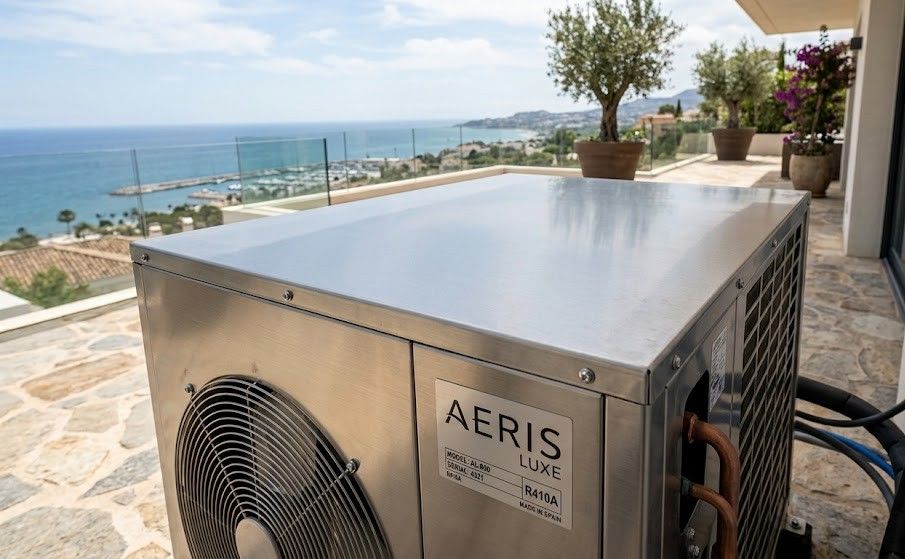
Termostato de aire acondicionado estropeado por sobretensión en España.

AC Breakdown in Spain: Does Home Insurance Pay

Running air conditioning constantly during the Spanish heatwave places immense strain on local power grids. A sudden electrical surge can instantly destroy your expensive climate control systems. Securing a premium home insurance policy ensures you never pay for these frustrating appliance replacements out of pocket.

THE NIGHTMARE OF ELECTRICAL DAMAGE

You return to your Mijas villa after a long day at the beach. You turn on the climate control system; however, nothing happens. A silent power surge damaged the main compressor circuit earlier that afternoon. Replacing a high-end ducted air system costs thousands of euros unexpectedly. Relying on basic bank cover often leaves you paying this massive bill entirely alone.

NAVIGATING ELECTRICAL DAMAGE CLAUSES

Spanish insurance providers evaluate electrical claims using very strict criteria. The damage must definitively result from an external power grid fluctuation or a lightning strike. General wear and tear is, unfortunately, never covered under any standard contract.

We strongly advise reviewing the official Spanish consumer rights regarding electricity supplies if grid instability damages your home. Proving the exact external cause of the breakdown is absolutely essential for a successful claim. Many insurers will demand a detailed technical report from a certified electrician immediately.

Inspección técnica de un compresor de aire acondicionado averiado.

WHY BROKER POLICIES PROTECT YOU BETTER

Cheap online policies frequently apply aggressive hidden depreciation rules to older appliances. They might only offer a tiny fraction of the original replacement cost for a five-year-old machine. Premium broker contracts, instead, often secure “new for old” replacement terms for modern electrical goods.

You must guarantee your valuable climate systems are properly calculated. It is vital to understand how these machines fit into the continent versus content valuation of your Spanish property. Protecting your home comfort requires meticulous attention to the fine print before disaster strikes.

STAY COOL WITH BMI BROKERS

Dealing with a broken air conditioner during July is an incredibly stressful experience. We review your property insurance thoroughly at BMI Brokers to locate crucial electrical clauses. Our expert team negotiates robust appliance protection for your Costa del Sol residence.

Handling complicated technical claims with local repairmen is done entirely on your behalf. You will never waste your holiday arguing with a Spanish loss adjuster. Speak to our private client team today and request a comprehensive home insurance review for your villa.

Dry vegetation near a white Spanish country house highlighting wildfire risk.

Wildfire Risk in Andalucia: Total Fire Cover For Your Home

The brutal summer heat brings a terrifying threat to inland Andalucia. Wildfires destroy hundreds of rural properties across the region every single year. Securing a comprehensive home policy ensures your beautiful Spanish country house is completely protected against total financial devastation.

THE DEVASTATING REALITY OF SPANISH SUMMER WILDFIRES

You own a beautiful rustic finca near Mijas or Alhaurín. The surrounding pine trees provide wonderful shade during the hot summer. A sudden spark from a distant barbecue, however, ignites the dry brush instantly. The raging wildfire consumes your entire property within a few short hours.

You assume your basic bank policy covers the full rebuilding costs automatically. The loss adjuster, unfortunately, reveals your home was massively underinsured. This shocking financial trap leaves many expats entirely bankrupt. Relying on an outdated valuation for a rural estate is an enormous mistake.

NAVIGATING RURAL FIRE PREVENTION LAWS IN MALAGA

Spanish regional authorities enforce strict fire prevention rules for rural homeowners. You must maintain clear firebreaks around your property boundary before summer begins. Clearing dry vegetation from your land is, indeed, a strict legal requirement. Failing to comply with these local forestry regulations can invalidate your insurance entirely.

We highly advise reading the official Junta de Andalucía forest fire prevention guidelines carefully. Ignorance of these seasonal rules will never save your claim. Many foreign owners simply misunderstand how local authorities assess fire negligence.

Architectural plans for rebuilding a Spanish casa after fire damage.


WHY ACCURATE VALUATIONS SAVE YOUR SPANISH ESTATE

Standard policies often underestimate the true cost of rebuilding a traditional home. A total fire loss requires clearing the debris before construction even starts. Your insurance limits must, therefore, reflect current inflation and building material costs. A devastating fire could also destroy expensive outdoor furniture and solar panels.

Protecting your investment means understanding the vital difference between building and contents. You should definitely review our expert guide on how to correctly value your Spanish property today. Premium expat insurance guarantees your rebuilding costs are fully covered. Losing your dream house is heartbreaking enough without facing total financial ruin.

SECURE TOTAL FIRE PROTECTION WITH BMI BROKERS 

Securing the right rural cover requires expert local underwriting knowledge. We carefully assess your property location and rebuilding value at BMI Brokers. Our professional team negotiates comprehensive fire limits for your Costa del Sol home.

Handling complicated total loss claims is done entirely on your behalf. You will never, consequently, fight with Spanish adjusters alone during a crisis. Protect your valuable rural retreat before the next heatwave arrives. Speak to our specialist expat team today and request a bespoke home insurance quote for your rural property.

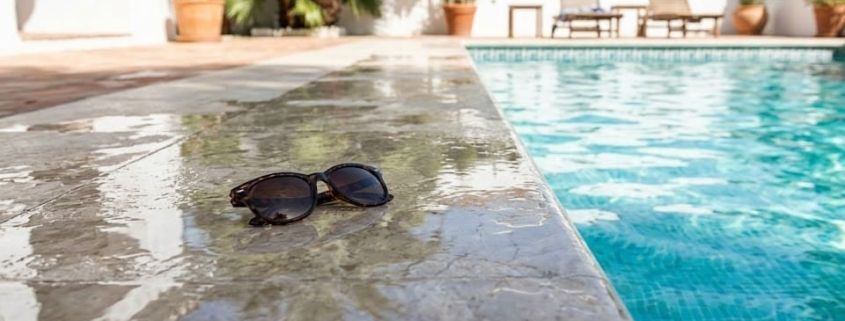
Slippery wet tiles next to a swimming pool in a Spanish villa.

Swimming Pool Liability Spain: Guest Accident Cover

THE HIDDEN FINANCIAL RISKS OF HOSTING A SUMMER BARBECUE

Hosting a summer barbecue at your Costa del Sol villa sounds perfectly relaxing. The hot Spanish sun makes your swimming pool incredibly inviting. A sudden scream, however, shatters the peaceful afternoon atmosphere completely. A guest slips on the wet tiles and suffers a severe injury. They demand immediate financial compensation for their expensive medical bills. You might assume your standard home insurance covers this automatically. Many expats, unfortunately, discover their basic policy excludes guest liability. This financial nightmare can easily ruin your peaceful retirement on the coast.

NAVIGATING STRICT PROPERTY LAWS IN SPAIN

Spanish law treats property accidents with extreme seriousness. Article 1902 of the Civil Code establishes strict personal liability. You are legally responsible for any damage occurring on your premises. A simple slip by the pool can, consequently, become a massive lawsuit. Market rules in the UK handle private negligence slightly differently. Spanish judges often award significant payouts to injured visitors. Checking the official Spanish Civil Code regulations on non-contractual liability is highly recommended. Ignorance of these strict local laws will never protect your assets.

 Legal claim documents for a swimming pool accident in Spain

WHY BASIC BANK POLICIES LEAVE YOU VULNERABLE

Basic bank insurance policies rarely provide adequate liability limits. They often restrict coverage strictly to the interior of the house. An accident in your Marbella garden is, therefore, completely excluded. You must explicitly declare the existence of your swimming pool. Premium policies specifically cover your outdoor entertainment spaces. Protecting your wealth is just as important as knowing what happens if your neighbour doesn’t have home insurance and damages your property. Your guests deserve a safe environment during your summer parties.

SECURE YOUR PEACE OF MIND WITH BMI BROKERS

Protecting your luxury lifestyle requires expert local underwriting knowledge. We analyse your specific property layout carefully at BMI Brokers. Our professional team negotiates robust liability limits for your Costa del Sol home. We ensure your swimming pool and garden are explicitly documented. Handling complex Spanish paperwork is done entirely on your behalf. You will never face a terrifying legal battle alone. Speak to our specialist expat team today and request a personalised home liability quote for your villa.

Taking a home contents inventory for Spanish property insurance

Continent vs Content: Value Your Spanish Home Right

THE COSTLY TRAP OF UNDERVALUING YOUR SPANISH PROPERTY

Imagine finding a massive water leak in your Marbella villa. You have just returned from the UK. You confidently file a claim. You assume your bank’s insurance covers everything. The loss adjuster, however, arrives with bad news. He casually informs you that your property is severely underinsured. This happens because of a basic miscalculation. Your expected payout, consequently, is slashed in half.

Insurers apply a penalising Spanish clause. This is known as the regla proporcional (proportional rule). This nightmare happens constantly to expats. They simply misunderstand how local policies work. Their personal finances are left dangerously exposed.

Spanish property insurance operates on a strict legal separation. It divides the physical structure from the items inside. Market value often blurs into insurance discussions in the UK. The continente (continent) here, instead, refers strictly to the true rebuilding cost.

This structural valuation indeed includes the walls and the roof. It even covers the swimming pool in your Mijas residence. It actively excludes the fluctuating market value of the land. Misunderstanding this distinction, therefore, leads foreign buyers to make costly mistakes. They either overpay on premiums or underinsure the construction costs.

Official UK Government Guidance on Living in Spain.

HOW TO ACCURATELY CALCULATE YOUR CONTENTS COVER

The contenido (content), meanwhile, encompasses everything inside your home. Imagine picking up the house and shaking it upside down. Everything that falls out is content. This includes your furniture, electronics, and clothing. Accurately calculating this figure requires a meticulous room-by-room inventory. You cannot rely on a quick guess.

Many expats fail to realise the specific rule for high-value items. Designer watches or fine art in a Sotogrande property, for instance, must be explicitly declared. Standard policies usually cap the payout for undeclared valuables. A burglar could, as a result, clear out your safe and leave you with zero compensation.

Securing expert local guidance is absolutely essential. You need to ensure your valuations are accurate from day one. Knowing how your belongings are assessed is vital before a crisis hits. For further insights on protecting your belongings, you might want to read our dedicated guide on how to secure your Costa del Sol property against burglars.

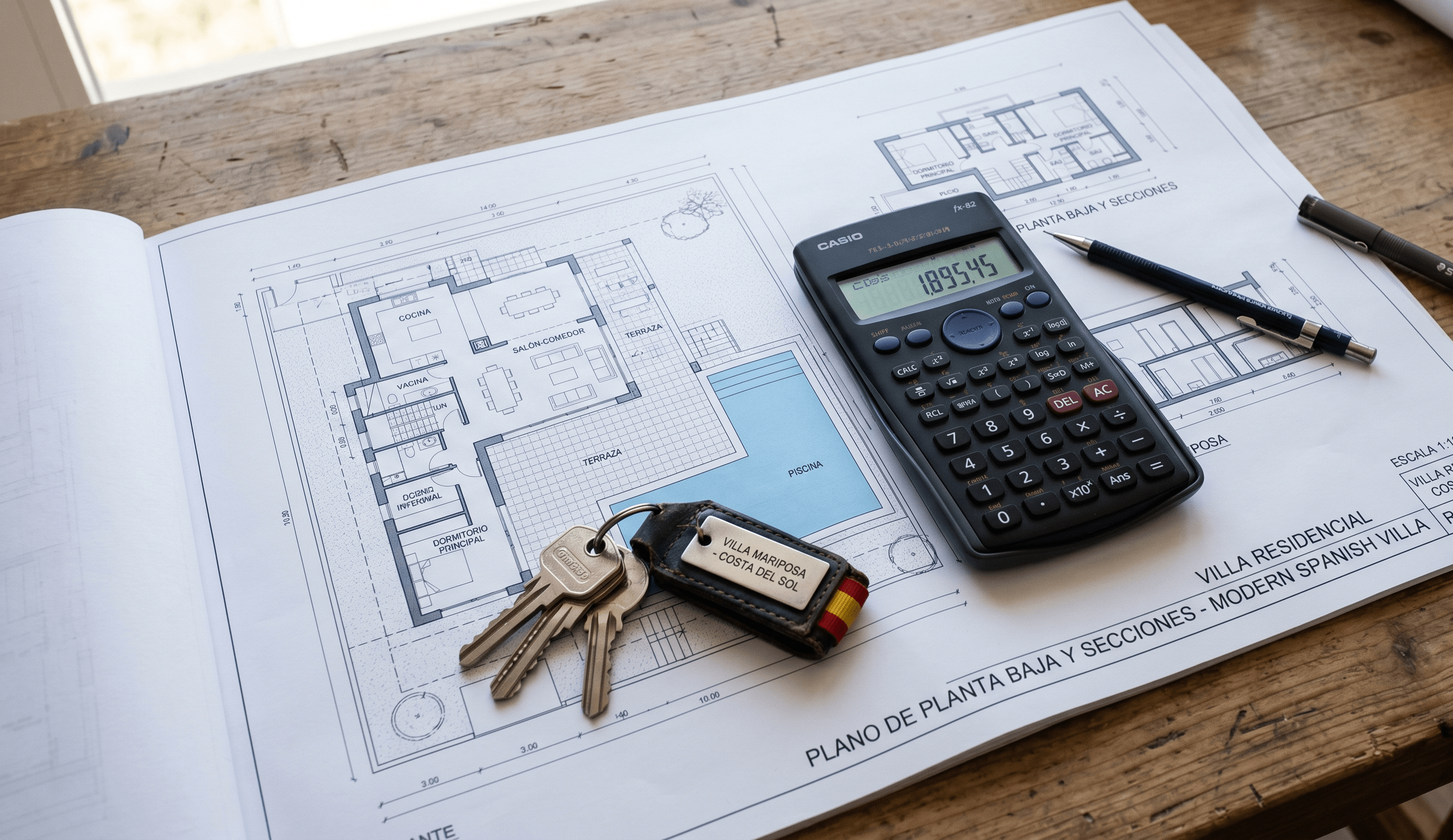
Architectural blueprints and calculator for Spanish home insurance valuation.

SECURE YOUR WEALTH WITH PRECISION UNDERWRITING

Protecting your Mediterranean lifestyle requires absolute precision. You also need a deep understanding of local underwriting rules. We sit down with you at BMI Brokers. We carefully calculate the exact rebuilding costs of your Costa del Sol home. We assess the content values accurately too.

Our expert team ensures your policy perfectly reflects your true wealth. We completely remove the risk of the dreaded proportional rule. We navigate the complex Spanish terminology on your behalf. You will never, thus, have to worry about translation errors ruining your coverage.

Do not leave your most valuable asset vulnerable. A generic bank policy is simply not enough. Speak to our specialist expat team today. You can easily secure the comprehensive protection your property deserves.

Get a Home Quote customized for Expats

Secure empty holiday villa on the Costa del Sol with locked patio doors generame esta imagen

Holiday Home Insurance Costa del Sol: Secure Empty Villas

You lock the front door of your beautiful villa in Marbella. Next, you head to Málaga airport and fly back to the UK. As the weeks pass, a quiet worry starts to creep in.

Who is keeping an eye on the place? What if a pipe bursts and floods the living room? Or worse, what if someone breaks in?

Owning a second home on the Costa del Sol should be your ultimate reward. It is certainly not supposed to be a source of constant anxiety. Leaving a high-value property unoccupied for months, however, exposes it to very specific risks. Standard policies simply ignore these dangers.

THE SILENT THREATS TO YOUR EMPTY SPANISH PROPERTY

The most immediate fear for many expats is the risk of okupas (squatters). The reality of the Spanish legal system is complex, because illegal occupation is handled very differently here.

Unlike in the UK, squatting in a residential building is not always a swift police matter. Evicting squatters in Spain can instead become a lengthy civil court battle. This happens if they are not removed within the first 48 hours. The legal fees to reclaim your own home can easily spiral into thousands of euros.

Burglary is also a genuine concern. High-end urbanisations in Sotogrande can easily become targets. Secluded villas in Mijas are vulnerable too. Thieves specifically look for signs of long-term unoccupancy.

Criminals are not the only threat to your investment, though.

An undetected water leak in an empty apartment in Fuengirola is extremely dangerous. It can silently cause catastrophic damage over several weeks. You might return to find your beautiful marble floors ruined. You could, furthermore, face a massive liability claim from the neighbours below you.

WHY YOUR CURRENT UK POLICY WON’T WORK IN SPAIN

Many British buyers make the mistake of assuming that insurance in Spain works exactly like back home. They might even try to find a UK-based provider. Covering an overseas asset this way is highly risky.

The truth is that Spanish property laws demand local expertise. You must adhere strictly to the regulations set by the local authorities. You can, in fact, read more about this in the official Gov.uk guide to living in Spain. 

A critical detail that catches many expats out is the unoccupancy clause. Standard home insurance policies typically void your cover. This happens if the property is left empty for more than 30 consecutive days.

Perhaps you only visit your Spanish retreat during the summer and at Christmas. A standard policy leaves you completely unprotected for the majority of the year, therefore. If a fire breaks out during those empty months, the insurer will simply refuse to pay out.

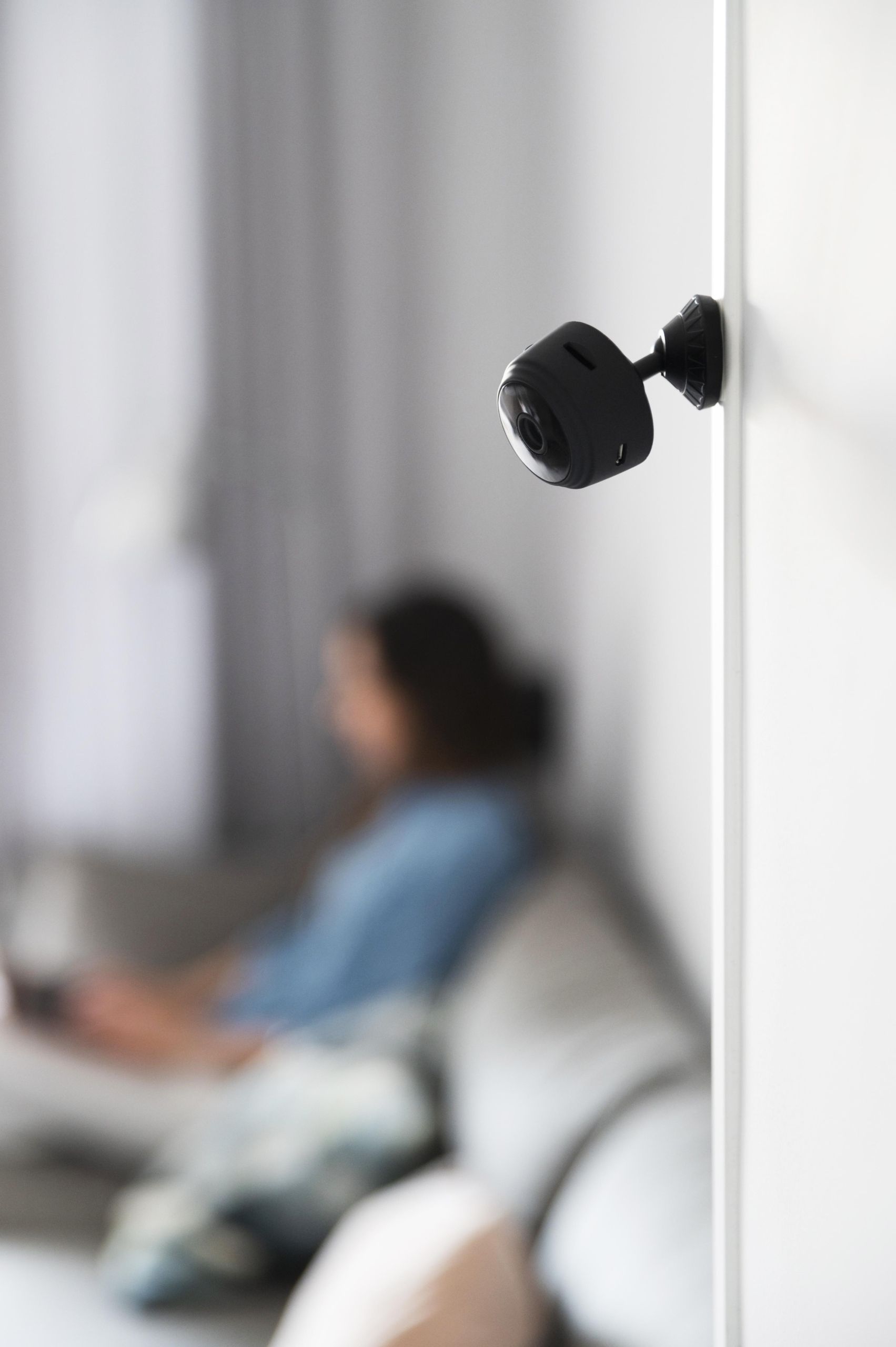
Smart security system protecting a Spanish holiday home on the Costa del Sol.

TAILORED PROTECTION FOR YOUR PEACE OF MIND

Dealing with a specialist broker makes all the difference here. At BMI Brokers, located right here in Mijas, we understand exactly what European expats need. We see the reality of the local market every single day.

A proper holiday home insurance policy is not just an annoying expense. It is, indeed, a vital legal shield that protects your wealth.

We ensure your policy includes extended unoccupancy terms. Your property remains fully covered, even if you are away for 90 days or more. Coverage will additionally include robust legal defence.

Imagine the worst happens and squatters do target your property. You have a team of local lawyers ready to fight your corner. They will cover the extortionate legal costs to get them evicted quickly.

Public liability is another crucial element we build into your coverage. Imagine a loose roof tile from your property damages a parked car. You are legally responsible for those damages. Our tailored policies absorb these third-party claims seamlessly.

LOCAL EXPERTISE YOU CAN TRUST

Dealing directly with Spanish insurance companies can be a frustrating maze. Language barriers and complex small print cause endless headaches. It is incredibly easy to accidentally agree to a bad policy.

Many expats do not realise how property insurance interacts with community fees, for instance. You can learn more about how community rules affect you. Just read our detailed guide on understanding Spanish community of owners regulations.

Our team acts as your dedicated intermediary. We handle the complex Spanish paperwork. We negotiate with the top insurers to build a perfect safety net. If you ever need to make a claim, you speak directly to us in English. We fight the battle on your behalf to ensure a swift payout.

You worked hard for your place in the sun. Do not leave its safety to chance. Avoid generic policies that evaporate the moment you board your flight home.

Get a Holiday Home Insurance Quote customized for Expats by visiting our dedicated property insurance page today.

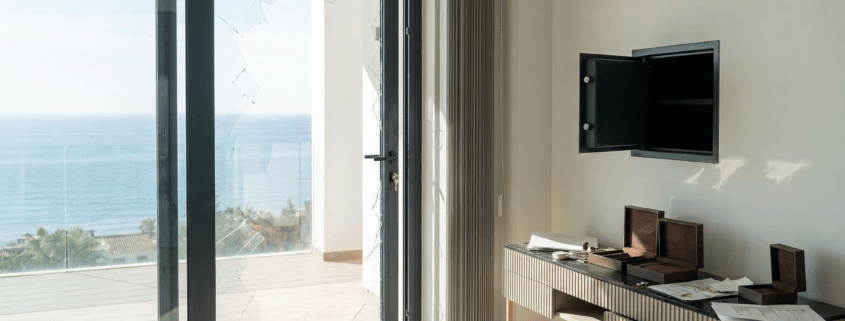
Smashed glass door and empty safe after a burglary in a luxury Costa del Sol apartment, highlighting the need for private contents insurance.

Mijas Property Cover: Why Community Insurance Fails You

The Hidden Danger of Community Fees in Mijas and Marbella

You finally secure your dream luxury apartment in Mijas or a beautiful holiday home in Marbella.

Naturally, you assume that paying hefty monthly community fees guarantees total protection.

However, a sudden burst pipe ruins your bespoke furniture, and the community president delivers terrible news.

The building’s insurance policy refuses to pay a single cent to replace your private belongings.

Consequently, you are left facing thousands of euros in replacement costs entirely out of your own pocket.

This devastating financial shock is surprisingly common for many expats living on the Costa del Sol.

Spanish Property Laws: Why You Are Still at Risk

Unlike in the UK, property insurance structures within Spanish communities work very differently.

For instance, the mandatory community policy only protects the building’s exterior shell, swimming pools, and shared areas.

It legally does not cover anything inside your private walls, including kitchens, flooring, or personal valuables.

Furthermore, if a fire starts in your flat and damages a neighbour’s property, you are held personally liable.

Relying entirely on the community policy is a highly dangerous legal gamble in Spain.

To understand more about your legal responsibilities as an owner, review the official “https://www.gov.uk/guidance/how-to-buy-property-in-spain

BMI Brokers providing expert Home Insurance for expats in Marbella and Mijas.

House vs. Apartment Insurance: What Is the Difference?

Owning a detached property presents an entirely different set of insurance challenges compared to an apartment block.

In addition, if you own a standalone villa in Sotogrande, you are solely responsible for both the building and everything inside.

There is no community policy to fall back on if your roof is damaged by severe coastal storms or high winds.

Therefore, your insurance strategy must be specifically tailored to the exact type of property you have purchased in Spain.

Apartment owners desperately need robust contents and liability cover to bridge the massive gaps left by the community.

Villa owners, on the other hand, require comprehensive policies that protect perimeter walls, private pools, and structural integrity.

Complete Protection for Your Spanish Home

Therefore, securing comprehensive private Home Insurance is absolutely essential to protect your lifestyle.

Whether you own a sprawling standalone villa in Sotogrande or a frontline apartment, you need tailored coverage.

In addition, a robust private policy covers your high-value contents, electrical surges, and vital third-party liability.

At BMI Brokers, we design expat-focused policies specifically to bridge these dangerous community gaps.

As a result, you gain absolute peace of mind without struggling to understand confusing Spanish fine print.

Do not leave your most valuable Mediterranean investment exposed to unnecessary financial risks.

Let our expert, English-speaking team handle the complexity of the Spanish insurance market for you.

no home insurance

What happens if your neighbour doesn’t have home insurance and how it can affect you

Home insurance is often seen as a personal decision, something that only affects the person who takes out the policy. However, the reality is very different. What happens if your neighbour doesn’t have home insurance can directly impact your property, your finances and even your peace of mind. In shared buildings, terraced houses or closely connected homes, the lack of insurance next door can create serious complications that many homeowners only discover when it is too late.

Home insurance as a shared protection factor

Although each homeowner is responsible for their own property, risks do not stop at walls or boundaries. Fires, water leaks, electrical faults or structural problems can easily spread from one home to another. Home insurance plays a crucial role not only in protecting individual property, but also in ensuring that damage affecting third parties can be dealt with quickly and fairly. You can explore this further in our guide on the benefits of home insurance.

When a neighbour does not have home insurance, the entire system of protection weakens. Any incident originating in their home may leave others exposed to financial loss and legal uncertainty.

Damage to your property caused by an uninsured neighbour

One of the most common and problematic situations arises when damage originates in your neighbour’s home and affects yours. A water leak, fire or structural failure can cause significant harm to your walls, ceilings, floors or belongings. Issues such as leaks are explained in more detail in our article on blocked drains and home insurance coverage.

If your neighbour has no home insurance, there is no insurer to take responsibility for the damage. In theory, your neighbour is legally liable for the costs, but in practice this can become a major issue. If they are unable to pay for repairs, you may be forced to rely on your own home insurance or cover the expenses yourself.

This can lead to higher premiums in the future or unexpected out-of-pocket costs.

Legal complications and disputes

Another key issue when a neighbour doesn’t have home insurance is the increased likelihood of legal disputes. Insurance companies often handle claims between properties efficiently, negotiating compensation and repairs without the need for court involvement.

Without insurance on one side, these processes become far more complex. You may need to initiate legal action to recover damages, which can be time-consuming, expensive and emotionally draining. Understanding civil liability insurance in Spain is key in these situations.

Civil liability and personal injury risks

Home insurance does not only cover material damage. It also includes civil liability protection, which is essential if someone is injured as a result of an incident in the home.

If an accident occurs in your neighbour’s property and you are injured, or if their actions cause harm to you or your family, the absence of insurance can seriously complicate compensation. Without a policy to cover third-party liability, your neighbour may not be able to cover medical expenses, damages or legal costs.

Impact in apartment buildings and shared spaces

The risks associated with an uninsured neighbour are even greater in apartment buildings or properties with shared infrastructure. Plumbing systems, electrical installations and structural elements are often interconnected, meaning that a single fault can affect multiple homes.

In these environments, one uninsured property increases the overall risk for everyone. While building insurance may cover common areas, damage to individual apartments often depends on personal home insurance policies. Learn more about this distinction in our guide to buildings insurance in Spain.

What you can do if your neighbour has no home insurance

If you are aware that your neighbour does not have home insurance, the first step is to ensure that your own policy provides adequate coverage. Reviewing your coverage limits, water damage protection and civil liability clauses can help reduce potential exposure. It is also useful to know whether home insurance is mandatory in Spain.

Open communication can also be helpful. Politely explaining the importance of home insurance as a shared safeguard may encourage your neighbour to take out a policy.

Why home insurance is more than a personal choice

Home insurance is not just about protecting one’s own belongings. It is a fundamental tool for maintaining financial stability and social responsibility within residential communities. When everyone is insured, incidents are resolved faster, disputes are reduced and the overall sense of security increases.

An uninsured neighbour introduces uncertainty and risk that can affect multiple households, even if they have acted responsibly themselves.

Conclusion: protecting yourself when others don’t

What happens if your neighbour doesn’t have home insurance goes far beyond their personal situation. It can lead to uncovered damage, legal conflicts and financial stress for others living nearby. While you cannot force a neighbour to insure their home, understanding the risks allows you to take proactive steps to protect yourself.

Ensuring your own coverage is robust, staying informed and promoting awareness of home insurance within your community are the best ways to reduce the impact of situations that are often overlooked until a problem arises.

At BMI Brokers, we help foreigners in Spain meet compulsory health insurance requirements clearly and confidently, without overpaying or risking non-compliance. Our experts explain the legal health insurance obligations based on your visa or residency status, compare compliant policies from trusted insurers, and guide you toward the right level of coverage for your personal situation.

Live and reside in Spain with peace of mind from day one, knowing your health insurance fully complies with Spanish regulations.

Contact us today for personalised advice on mandatory health insurance for foreigners in Spain and avoid delays, visa issues, or unnecessary costs. Visit our blog for more tips, guides, and updates on essential insurance coverage for foreigners living in or relocating to Spain.

Burglary and Theft Coverage in Spanish Home Insurance Are You Properly Protected (2)

Burglary and Theft Coverage in Spanish Home Insurance: Are You Properly Protected?

The security of your home and the protection of your belongings are fundamental concerns for any homeowner or tenant in Spain. When we talk about home insurance, coverage against the loss of property—whether through burglary or theft—is one of the most important pillars. But do you really know what distinguishes one from the other and how far your policy actually protects you?

Understanding the specifics of these coverages is crucial to avoid unpleasant surprises in the event of a claim and to ensure adequate protection of your personal assets.

Burglary vs. Theft: The Key Difference in Your Home Insurance

Although in everyday language we often use them interchangeably, for your insurance company the distinction between burglary and theft is fundamental and makes a huge difference in coverage.

  • Burglary: Involves the taking of property using force against property (for example, forcing a door, breaking a window or lock) or violence or intimidation against people.
  • Theft: Refers to the taking of property without force against property or violence or intimidation against people. A classic example would be someone taking something from your home because the door was left open, or having your wallet taken without you noticing.

This distinction is the basis of your insurance coverage, and understanding it is the first step to knowing whether you are truly protected.

What exactly does home insurance cover in cases of burglary and theft?

Home insurance policies offer a range of coverages that can vary significantly from one insurer to another. Below are the most common ones:

1. Burglary inside the home

This is the most common and robust coverage. If thieves gain access to your home using force or intimidation, the insurance usually covers:

  • Contents: Furniture, appliances, electronic devices, jewelry, cash (with specific limits), and other personal belongings that make up the contents of your home.
  • Building: Material damage that thieves may cause to the structure of the home in order to enter or leave, such as forced doors, broken windows, damaged locks, or damage to walls and structural elements.

2. Theft inside the home

This is where differences often begin. Coverage for theft inside the home is much more restrictive than burglary coverage. Some insurers include it with very low limits or under very specific conditions, while others simply do not offer it. It is essential to review this point in your policy, as it is a common source of confusion and frustration.

3. Burglary/Robbery outside the home (Mugging)

This coverage protects your personal belongings when they are taken with violence or intimidation outside your home, generally in public spaces. It may include:

  • Cash.
  • Jewelry.
  • Mobile phones.
  • Personal documentation.

As with theft, this coverage usually has specific limits and requirements (for example, that physical violence or clear intimidation must have occurred).

4. Fraudulent use of credit or debit cards

Many modern policies include coverage for the unauthorized use of your credit or debit cards if they have been stolen or taken during a robbery. This protection covers fraudulent purchases or cash withdrawals made by criminals, generally for a limited period after the incident and up to a maximum amount. This is an evolving area due to the rise of digital crime.

Limits and exclusions you should know (to avoid surprises)

To be truly protected, it is just as important to know what your insurance covers as it is to understand what it does not cover or under what conditions:

  • Special valuables: Jewelry, works of art, valuable collections, or significant amounts of cash usually have very low specific limits if they have not been previously declared and appraised. It is vital to inform your insurer of the existence of these items.
  • Uninsured or undeclared property: If the insured amount for your contents is lower than the real value of your belongings, you may face underinsurance, where the company will only compensate a proportional part of the loss. Keeping an updated inventory and adjusting the value of your contents is crucial.
  • Gross negligence: A lack of due care by the insured may void or reduce coverage. Leaving your front door wide open, leaving the keys in the lock from the outside, or leaving an accessible window open for a long period during an absence are examples of situations that could be considered gross negligence.
  • Property outside the home without specific coverage: Remember that theft of property outside the home (for example, a handbag taken from a chair at a café terrace without violence) is almost never covered, unlike burglary/robbery, which may be covered under certain conditions.
  • Deductibles: Some policies include deductibles for burglary coverage, meaning that in the event of a claim, you will have to bear part of the repair or replacement cost before the insurer pays the rest. This lowers the premium but is an important factor to consider.

How to act in the event of a claim: Step-by-step guide

If, unfortunately, you suffer a burglary or theft, it is essential to act correctly to ensure your claim is successful:

  1. File a detailed police report: This is the most important and mandatory step. You must report the incident to the police, describing the events, the stolen items, and the damage caused as accurately as possible. The more details you provide, the better.
  2. Notify your insurer: You have a deadline established in your policy (generally 7 days) to inform your company of the incident. Do not delay this step.
  3. Gather the necessary documentation: The insurer will ask for a copy of the police report, as well as invoices, purchase receipts, photographs, or any other documents that prove ownership and the value of the stolen items.
  4. Do not touch or clean anything if there is damage: If there is damage to doors, windows, or locks, it is best not to alter the scene until the insurer’s adjuster can assess it.

In addition, the security measures in your home (connected alarms, reinforced doors, bars on accessible windows) not only deter criminals, but can also positively influence the terms of your policy and the viability of coverage in some cases.

Factors that influence your protection and the price

The cost and extent of your burglary and theft coverage are not random. Insurers take various factors into account:

  • Location of the property: Areas with higher crime rates usually have higher premiums.
  • Type of property: An apartment in a secured building does not present the same risk as a detached house.
  • Security measures: The presence of alarms connected to a monitoring center, reinforced doors, bars, surveillance cameras, or home automation systems can significantly reduce the price of your insurance or improve coverage conditions.
  • Insured amount: The limits you declare for the building (structure) and contents (items inside) of your home are directly proportional to the cost of the premium.

Frequently Asked Questions (FAQs)

  • Is the theft of my mobile phone covered if it is taken from my pocket on the street? Generally not. Theft outside the home is almost never covered, unlike burglary/robbery (mugging), which may be covered if there is violence or intimidation and your policy includes it, with its respective limits.
  • What happens if I do not have the invoice for a stolen item? Although the invoice is the ideal proof, you can provide other documents such as bank statements showing the purchase, photographs of the item, warranty certificates, or even an appraisal to demonstrate the existence and value of the property.
  • How much cash does the insurance cover in case of burglary? Coverage for cash inside the home usually has very low limits (often between 300 and 600 euros, or a very small percentage of the contents insured amount) and may require the money to have been kept in a safe. Always check the policy wording.
  • Is leaving a window open on the third floor considered gross negligence? It depends on the circumstances. If the window was easily accessible from the outside (for example, from a roof or scaffolding) and your absence was prolonged, it could be considered so. If it is an inaccessible window and there are no other indications of ease of access, it is less likely. The key factor is the level of reasonable care.
  • How long do I have to notify the insurer of the burglary? Most policies establish a period of 7 calendar days from when you become aware of the incident to notify the insurer, although it is advisable to do so as soon as possible.

Conclusion

Protecting your home against burglary and theft is a fundamental pillar of any home insurance policy. Knowing the difference between burglary and theft, understanding the limits and exclusions of your policy, and knowing how to act in the event of a claim are essential steps to ensure your peace of mind.

Do not leave it to doubt: carefully review the terms and conditions of your current insurance or, if you are looking for a new one, compare offers from different insurers. Make sure the insured amounts match the real value of your assets and that specific coverages (especially theft and mugging) meet your expectations. Only then can you say, with complete confidence, that you are well protected.

At BMI Brokers, we assess your personal situation, compare home insurance plans from leading providers in Spain, and explain all conditions clearly and transparently. Our goal is to help you secure home insurance that truly fits your needs — without unnecessary costs or hidden surprises.

Get peace of mind from day one with the right Spanish home insurance policy. Contact BMI Brokers today for personalized advice and find the coverage that’s right for you.

UNDERSTANDING THE COST OF HOME INSURANCE IN SPAIN

Understanding The Cost Of Home Insurance In Spain

Introduction to Home Insurance in Spain

Home insurance stands as a fundamental shield for your residence and personal possessions. It offers financial protection against a myriad of risks, including fire outbreaks, theft incidents, water damage, and civil liability issues. Opting for home insurance necessitates a thorough comprehension of both fundamental and optional coverages, alongside understanding the various factors that sway the insurance premium.

Grasping the essentials of home insurance in Spain is pivotal to ensuring your property is adequately safeguarded. This not only provides peace of mind but also assures that you’re prepared for any unforeseen mishaps. In Spain, where the nuances of home insurance can vary significantly from those in other countries, it becomes even more crucial to navigate these intricacies effectively.

Factors Influencing Home Insurance Premiums

Several elements play a crucial role in determining the cost of your home insurance policy. These factors are instrumental in tailoring the insurance package to meet your specific needs and circumstances:

  • Geographical Location: The risk profile of the area where your home is located, including its susceptibility to natural disasters or its crime rate, significantly affects premiums. Urban zones, rural areas, and locations with historical vulnerability to events like floods or earthquakes are assessed differently by insurers.
  • Property Characteristics: Attributes such as the age of the building, its size, and the type of dwelling (e.g., apartment, detached house) are taken into account. These factors influence the risk assessment and, consequently, the insurance cost.
  • Building and Contents Value: The rebuilding cost of your home, rather than its market value, is a critical figure for insurance purposes. Similarly, the total value of the contents within your home, including specific high-value items like jewelry or art pieces, must be accurately assessed to ensure adequate coverage.
  • Security Measures: Implementing safety features such as alarm systems, high-quality locks, and security doors can lead to reductions in your insurance premium. These measures decrease the perceived risk of theft and damage, making your property a safer bet for insurers.

Average Cost of Home Insurance in Spain

The average cost of home insurance in Spain is not a one-size-fits-all figure; it’s influenced by the diverse range of factors mentioned above. Customized insurance solutions that cater to individual needs are crucial in providing effective coverage. Factors such as the property’s location, its characteristics, and the chosen coverage options all play a part in determining the final premium.

Comparing Home Insurance: What to Look For

With a plethora of insurance options available in the market, it’s essential to perform a detailed comparison to find the policy that best fits your requirements and budget. Here are some critical aspects to consider:

  • Coverage and Limits: Scrutinize the specific risks covered by the policy and the limits set for each type of coverage.
  • Exclusions: Pay close attention to what is not covered by the policy. Understanding these exclusions is key to avoiding unexpected gaps in coverage.
  • Insurer’s Reputation: Research the insurance company’s track record for customer satisfaction, claims handling, and financial stability.
  • Premiums and Deductibles: Compare the cost of premiums across different policies and understand the deductible amounts. A higher deductible can lower your premium but means you’ll pay more out-of-pocket in the event of a claim.
  • Customer Service: Consider the insurer’s reputation for customer service, including the ease of filing claims and the support provided throughout the claims process.

Tips to Reduce Home Insurance Premiums

  • Enhance Security Measures: Boosting your home’s security can significantly lower the risk profile and, by extension, the insurance premium.
  • Consolidate Policies: Bundling multiple insurance policies with the same company often qualifies you for discounts.
  • Regularly Review Your Policy: Ensure your coverage aligns with your current needs and circumstances. Over-insurance results in unnecessary costs, while under-insurance could leave you vulnerable.

Understanding Insurance Add-ons and Their Impact on Prices

Optional coverages, or add-ons, allow for the customization of your home insurance policy to cover specific needs comprehensively:

  • All Risks Coverage: Offers broader protection, extending beyond the standard perils included in basic policies.
  • Special Valuables: Provides targeted coverage for high-value items such as jewelry, artwork, and collectibles.
  • Extended Liability Coverage: Increases the liability limit, offering added protection against claims made by third parties.
  • Garden and Outdoor Furniture: Covers the loss or damage of items located outside the main dwelling.
  • Pet Coverage: Offers financial protection for pet-related incidents, including liability claims and veterinary expenses.