
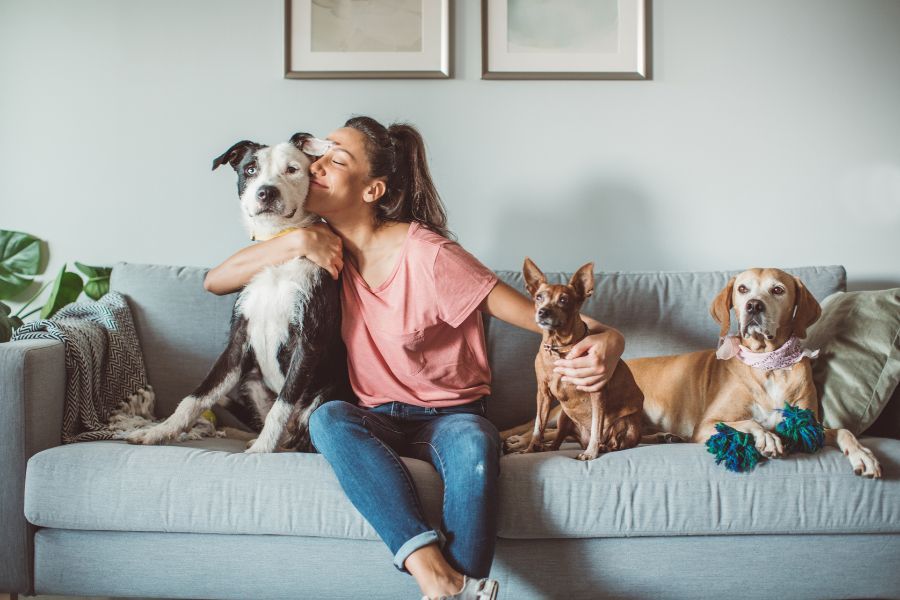
Pet Insurance
We know that pets are not only domestic animals, but they are also members of our family. As owners, we must take care of them, educate them, treat them well and protect them. However, if an accident happens or your pet gets sick, it is important to be prepared to give them the care they deserve. Without unbalanced family accounts, is this the way to do it?
That’s why today we want to tell you what pet insurance is and how it can help you cover part of the expenses by providing protection against possible risks.
1º Underwriting rules.
Young and healthy animals are easy to insure, but companies do not accept insurance for animals of a certain age, generally pets older than 8 years. We are talking about the date of signature, if we sign the contract, let’s say it is 5 years old, it is not going to be delivered at 8 years. Puppies must be at least 3 months old, depending on the company.

2ºTypes of insurance
Veterinary Insurance: These are health insurances for our pets. They cover us if our pets need medical treatment in case of accident or illness. They do not cover maintenance expenses such as vaccinations, castration, microchip, check-ups, deworming.
Accident insurance: These will cover the treatment our animals need after an accident. They do not cover diseases but are less expensive than veterinary insurance.
Civil responsibility: if our animals cause damage to a third party, the third party will hold us responsible. It is important to remember that, by law we are responsible for any damage caused by pets. This insurance can pay for possible lawsuits or no lawsuit. This coverage is optional when taking out veterinary or accident insurance and can even be taken out separately.
3º Exclusions
These are the conditions and diseases that will not be covered by the policy and will be reflected in the particular or general conditions of the policy. By way of summary and depending on each policy, the exclusions may be:
– Congenital diseases or anomalies.
– Hip or elbow dysplasia.
– Alterations of the eyelash, third eyelid.
– Elongation of the palate
– Non-traumatic umbilical hernias.
– Expenses derived from those infectious diseases that are subject to vaccination if the patient has not been properly vaccinated.
– Expenses derived from the declaration or suspicion of rabies.

4º Prices
Insurance rates vary depending on the following factors:
Breed: some breeds are more prone to certain diseases than others.
Age: the older the animal, the more it will cost to insure it, since it implies more risks, just as old people have more diseases than young people, the same thing happens with dogs.
Animal value: if your dog has a market value higher than the standards of its breed, either by pedigree or prizes won, you can contract a higher value, in case it is stolen or dies.
Veterinary or Accident Only Insurance. Sickness coverage is more expensive than accident coverage because an accident can happen, but getting sick is much more common.
Coverage and limits: many of the coverages are included in the price, but others are optional, the more you contract the higher the price of the insurance.
Excesses and reimbursement percentage: the higher the amount of the excesses and the lower the reimbursement percentage, the amount of the premium will also decrease.
Insurer: not all companies have the same prices for similar insurance policies. Sometimes we pay the brand name, and sometimes it is simply that two insurers quote the same dog, with the same breed and age differently.
In conclusion, we believe that BMI is a very good choice for all your insurance needs, from health insurance to car insurance or home insurance. Also, it is interesting to know that you can add your pet insurance to your home insurance. If you have any questions, please do not hesitate to contact us.


