
What Are Construction Site Insurance Requirements? A Builder’s Guide to Risk and Compliance
If you’re managing or working on a construction project in Spain or anywhere in Europe, understanding the insurance requirements for construction sites is essential. Construction work involves significant financial, legal, and safety risks — from property damage to worker injuries — and having the right insurance in place is both a legal necessity and a smart business decision.
In this guide, we’ll explain what are construction site insurance requirements, the different types of coverage involved, who needs them, and why they’re so important for contractors, builders, and property owners.
What Is Construction Site Insurance?
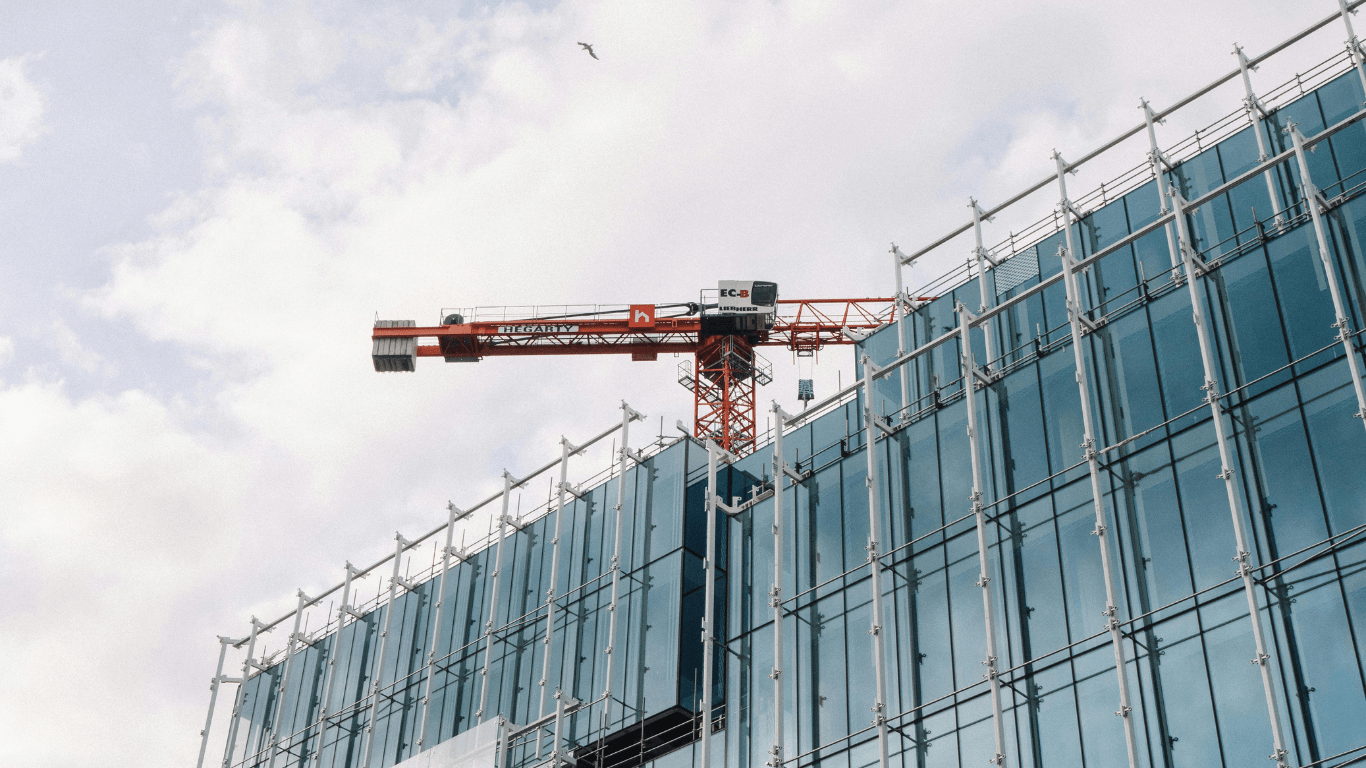
Construction site insurance is a collection of policies designed to protect construction companies, contractors, and property owners from financial loss due to accidents, injuries, or property damage occurring during a building project.
Each project faces unique risks, so insurance requirements vary depending on project size, scope, and location. However, in most cases, certain types of coverage are mandatory by law or contract.
Why Is Construction Insurance Required?
Construction sites can be unpredictable environments. Heavy machinery, structural work, and multiple contractors increase the risk of accidents and damage.
Insurance is required to:
-
Protect employees and third parties from injury-related claims.
-
Cover damage to property, materials, or equipment.
-
Comply with legal and contractual obligations.
-
Safeguard against project delays and financial loss.
Without proper insurance, even a minor incident could lead to major financial or legal consequences.
Key Construction Site Insurance Requirements
Here are the main types of insurance that construction projects typically require:
1. Public Liability Insurance
This policy protects against claims from third parties (such as the public, visitors, or nearby property owners) for injury or property damage caused by construction activities.
Example: If construction debris damages a neighbouring building or a passer-by is injured near the site, public liability insurance covers the compensation and legal costs.
Requirement: In most jurisdictions, including Spain and the UK, contractors must hold valid public liability insurance before starting any work on-site.
2. Employer’s Liability Insurance
If you employ staff or subcontractors, employer’s liability insurance is legally required in many countries.
It covers compensation costs if an employee is injured or becomes ill due to work-related activities.
Example: A worker suffers a fall or a back injury while handling materials — this policy ensures they receive medical and wage compensation.
3. Contractors All Risks (CAR) Insurance
CAR insurance provides comprehensive protection for both the construction works and materials on-site.
It covers accidental damage to the structure being built, theft of materials, or damage from unforeseen events such as fire or storm.
This policy often includes both the contractor and the project owner as named insured parties, ensuring both are protected financially.
4. Professional Indemnity Insurance
Professional indemnity insurance (PI) protects architects, engineers, and consultants involved in the design and planning stages of construction projects.
It covers claims resulting from professional errors, negligence, or omissions that cause financial loss or project delays.
For example, if an engineering miscalculation leads to structural issues, PI insurance would help cover the resulting claims.
5. Workers’ Compensation and Personal Accident Cover
In addition to employer’s liability insurance, workers’ compensation ensures that all workers are covered for injuries sustained on the job, including medical treatment, lost wages, and rehabilitation costs.
Some contractors also choose to include personal accident cover for self-employed workers who might not be covered under standard employment policies.
Who Needs Construction Site Insurance?
Construction site insurance requirements apply to a wide range of professionals and organisations, including:
-
General contractors and subcontractors
-
Developers and property owners
-
Architects and engineers
-
Equipment suppliers
-
Project managers and site supervisors
Even if you’re working as a subcontractor or freelancer, many clients and principal contractors will require proof of valid insurance before allowing you to work on-site.
Legal and Regulatory Considerations
Insurance requirements may differ depending on your country or local regulations. In Spain, for example:
-
Construction companies are generally required to have liability coverage in place.
-
Large-scale projects or public contracts often require additional performance bonds or guarantees.
-
Developers must provide 10-year structural warranties (decennial insurance) for new builds to protect homeowners from future structural defects.
Always verify requirements with your local authority or project manager before work begins.
Tips for Managing Risk on Construction Projects
Even with full insurance coverage, prevention is always the best strategy. Here are a few key tips for managing on-site risks:
-
Conduct regular safety training and enforce site rules.
-
Maintain detailed risk assessments for each project phase.
-
Keep equipment and machinery in good working condition.
-
Ensure all subcontractors have valid insurance certificates.
-
Review and update your insurance policies annually or before each new project.
Key Takeaways
-
Construction site insurance is essential for protecting workers, property, and third parties.
-
Common requirements include public liability, employer’s liability, CAR, and professional indemnity insurance.
-
Many policies are legally mandatory and required by contract.
-
Compliance helps avoid costly claims, delays, and penalties.
-
Always check local laws and project-specific conditions.
Conclusion: Stay Informed and Keep Learning with BMI Brokers
Understanding what are construction site insurance requirements is crucial for anyone involved in building projects, from contractors to property owners. Staying informed ensures compliance, safety, and financial protection for everyone on-site.
If you found this article helpful, we invite you to keep exploring our blog for more expert insights on insurance, property protection, and financial security in Spain.
Stay informed — and stay protected — with the latest guides from BMI Brokers.


