Blog de artículos de BMI Brokers.

Travel insurance for digital nomads: what it is, why you need it and how to choose the right cover

Working while travelling has become a lifestyle choice for thousands of professionals around the world. Digital nomads combine remote work with long-term travel, often moving between countries without a fixed residence. While this freedom has many advantages, it also comes with risks that traditional travel insurance is not designed to handle. Understanding how travel insurance for digital nomads works is essential to protect both your health and your livelihood while living on the move.

What is travel insurance for digital nomads?

Travel insurance for digital nomads is a type of cover designed for people who travel continuously while working remotely. Unlike standard travel insurance, which is usually limited to short holidays, nomad-focused policies are built for longer stays, frequent border crossings and extended periods abroad.

This type of insurance recognises that digital nomads are not simply tourists. They live, work and earn income while travelling, which creates different risks related to healthcare, legal responsibility and the loss of essential work equipment.

Why digital nomads need specific insurance

One of the biggest mistakes digital nomads make is assuming that regular travel insurance is enough. Many standard policies exclude long-term stays, repeated trips or any activity that could be considered work, as explained in guides on travel insurance while already abroad.

Without appropriate insurance, a medical emergency abroad can result in extremely high out-of-pocket costs. In countries without accessible public healthcare, even basic treatment can become financially overwhelming. Beyond health risks, digital nomads also face exposure to theft, accidents and liability issues in unfamiliar environments.

What travel insurance for digital nomads usually covers

Most digital nomad travel insurance policies include emergency medical treatment, hospitalisation and evacuation. This ensures access to private healthcare when needed and covers the cost of transporting you to another facility or country if required, similar to the protection described in international medical insurance guides.

Coverage often extends to trip interruptions, delays and missed connections, which is important for nomads moving frequently between destinations. Some policies also include emergency dental care and limited coverage for personal belongings.

Another key feature is multi-country coverage, allowing nomads to move freely without purchasing a new policy for each destination.

What is usually not covered

Understanding exclusions is just as important as knowing what is covered. Pre-existing medical conditions are often excluded unless specifically declared and accepted. High-risk activities may also be limited or require additional cover.

Some policies exclude claims if you are working illegally or violating visa conditions in a country. This is particularly relevant for digital nomads, as immigration rules vary widely and insurance coverage may depend on your legal status, especially when applying for visas such as the Spanish digital nomad visa.

Travel insurance vs health insurance for digital nomads

Travel insurance and international health insurance serve different purposes. Travel insurance focuses on emergencies and unexpected events during travel, while health insurance provides more comprehensive and ongoing medical care.

For short- to medium-term nomads, travel insurance may be sufficient. However, for those settling in one region for extended periods, international health insurance may be a better option. Some digital nomads choose to combine both for maximum protection.

How long does digital nomad travel insurance last?

Unlike standard travel insurance, nomad policies are often designed for long durations, ranging from several months to a full year, with options to renew. This flexibility is crucial for people who do not know exactly how long they will stay abroad.

Annual policies are common and allow continuous coverage while moving between countries, as long as the policy conditions are met.

Insurance requirements for digital nomad visas

Many countries offering digital nomad visas require proof of insurance as part of the application process. These requirements often include minimum medical coverage, emergency evacuation and coverage for the entire duration of the stay.

Choosing a policy that meets visa requirements is essential to avoid delays or rejections, particularly when travelling to destinations with strict entry rules such as those outlined in compulsory health insurance regulations.

Cover for work equipment and liability

For digital nomads, laptops, phones and cameras are essential tools for earning a living. Some travel insurance policies include limited cover for stolen or damaged equipment, though compensation limits may apply.

Civil liability coverage is another important but often overlooked aspect. This protects you if you accidentally cause damage to property or injure someone while abroad, for example in rented accommodation or coworking spaces, and is closely linked to civil liability insurance.

Common mistakes when choosing digital nomad insurance

Many nomads choose insurance based on price alone, without checking exclusions or coverage limits. Others fail to declare that they are working remotely, which can invalidate claims.

Another common mistake is purchasing insurance after a known risk has emerged, such as a medical issue or travel disruption, which is rarely covered.

How to choose the right travel insurance as a digital nomad

Choosing the right policy starts with understanding your travel pattern, destinations and activities. Key factors include medical coverage limits, number of countries covered, duration, equipment protection and 24/7 assistance.

Reading policy details carefully and matching them to your lifestyle is far more important than finding the cheapest option, as highlighted in comparisons of travel insurance options.

Conclusion: insurance as part of the digital nomad lifestyle

Travel insurance for digital nomads is not an optional extra but a core part of a sustainable remote lifestyle. It protects against financial risk, ensures access to healthcare and provides peace of mind while living and working abroad.

By choosing insurance designed for long-term, mobile living, digital nomads can focus on their work and experiences, knowing they are protected when the unexpected happens.

At BMI Brokers, we help foreigners in Spain meet compulsory health insurance requirements clearly and confidently, without overpaying or risking non-compliance. Our experts explain the legal health insurance obligations based on your visa or residency status, compare compliant policies from trusted insurers, and guide you toward the right level of coverage for your personal situation.

Live and reside in Spain with peace of mind from day one, knowing your health insurance fully complies with Spanish regulations.

Contact us today for personalised advice on mandatory health insurance for foreigners in Spain and avoid delays, visa issues, or unnecessary costs. Visit our blog for more tips, guides, and updates on essential insurance coverage for foreigners living in or relocating to Spain.

Solar panels covered by home insurance? What homeowners need to know

Producing your own electricity at home has become an increasingly popular option for households looking to reduce energy bills, gain independence from energy suppliers and lower their environmental impact. Installing solar panels allows homeowners to generate clean energy, protect themselves from rising electricity prices and reduce carbon emissions. However, as more people adopt this technology, an important question often arises: are solar panels covered by home insurance in Spain?

Solar panels and home insurance: how they are classified

In most cases, solar panels installed on a property are considered a permanent part of the building. Because they are fixed installations designed to produce electrical energy, they usually fall under buildings insurance rather than contents insurance. Buildings insurance covers the structural elements of a home and all fixtures permanently attached to it.

A simple way to understand this distinction is to imagine turning the house upside down. Anything that would not fall off is typically classed as part of the building. This includes walls, roofs, floors, windows and fixed installations such as plumbing, wiring and, in most cases, solar panels securely mounted to the roof or structure, as explained in guides to home insurance policies.

Why it is essential to notify your insurer

If solar panels were installed after you took out your home insurance policy, it is essential to inform your insurer. Adding photovoltaic panels changes the characteristics and value of the property, and failing to declare them could affect your cover.

Solar panel systems represent a significant investment, and insurers need to factor this into the insured value of the building. If they are not declared, you may find that damage to the panels is excluded from cover or that compensation is reduced in the event of a claim, similar to issues that can arise with undeclared property risks.

Exposure to weather and environmental risks

One of the key reasons solar panels require proper insurance cover is their exposure to the elements. Positioned on rooftops or open structures, they are constantly subject to weather conditions such as wind, rain, hail, snow and extreme temperatures.

Buildings insurance typically covers damage caused by insured events such as fire or certain meteorological phenomena. However, the exact scope of cover can vary between policies. Some may include storm damage as standard, while others apply specific limits or exclusions, similar to how flood insurance works for water-related risks.

For this reason, it is advisable to check that your policy explicitly covers material damage caused by adverse weather and that the coverage limits are sufficient to reflect the value of your solar installation.

The importance of theft and vandalism cover

Although solar panels are fixed installations, they can still be targeted for theft or vandalism, particularly in easily accessible or less visible locations. Not all buildings insurance policies automatically include theft cover for external installations.

Ensuring that your policy includes protection against theft and malicious damage is an important step in safeguarding your investment, much like reviewing theft cover in Spanish home insurance.

Civil liability and third-party protection

Another essential aspect of insurance cover relates to civil liability. If a solar panel or part of the installation becomes detached and causes damage to a neighbouring property or injures a third party, liability cover becomes crucial.

Home insurance policies usually include civil liability protection, but it is important to confirm that this extends to damage caused by fixed installations such as solar panels. This type of protection is closely linked to civil liability insurance in Spain.

Product warranties versus insurance cover

Many homeowners assume that manufacturer or installer warranties provide sufficient protection for solar panels. While these guarantees are valuable, they have limitations. Product warranties generally cover manufacturing defects or performance issues, not external damage.

Events such as storms, fires, impacts, vandalism or theft are not covered by product guarantees. This is where home insurance plays a vital role, filling the gaps left by warranties and offering broader protection against unforeseen incidents.

Coverage limits and policy fine print

Not all insurance policies offer unlimited cover for solar installations. Some include specific limits on the number of panels covered or apply maximum compensation amounts. Others may require additional premiums for higher-value systems.

Before relying on your policy, it is important to review the fine print and understand any limits or exclusions that apply, just as you would when reviewing exclusions in contents insurance coverage.

How to ensure your solar panels are properly insured

The most effective way to protect your solar panels is through clear communication with your insurer or insurance advisor. Whether you already have a policy or are arranging new cover, informing them about your installation allows the policy to be adapted to your needs.

Providing details such as the number of panels, installation cost and location helps ensure the building’s insured value is accurate and that the appropriate guarantees are in place.

Conclusion: protecting your clean energy investment

Installing solar panels is a smart and sustainable decision, offering financial savings and environmental benefits. However, like any valuable asset, they require adequate insurance protection.

In most cases, solar panels are covered under buildings insurance, but only if they are properly declared and included in the policy. Understanding how they are insured, checking coverage for weather damage, theft and liability, and reviewing policy limits are essential steps in protecting your investment.

By ensuring your home insurance reflects the presence of solar panels, you can enjoy the benefits of clean energy with confidence, knowing your system is protected against unexpected risks.

At BMI Brokers, we help foreigners in Spain meet compulsory health insurance requirements clearly and confidently, without overpaying or risking non-compliance. Our experts explain the legal health insurance obligations based on your visa or residency status, compare compliant policies from trusted insurers, and guide you toward the right level of coverage for your personal situation.

Live and reside in Spain with peace of mind from day one, knowing your health insurance fully complies with Spanish regulations.

Contact us today for personalised advice on mandatory health insurance for foreigners in Spain and avoid delays, visa issues, or unnecessary costs. Visit our blog for more tips, guides, and updates on essential insurance coverage for foreigners living in or relocating to Spain.

Will travel insurance cover strikes and what protection can travellers expect?

Strike action can be one of the most disruptive and stressful events for travellers. Flights cancelled at short notice, long delays at airports or missed connections can quickly turn a carefully planned trip into a logistical challenge. A common question that arises in these situations is whether travel insurance covers strikes and what support travellers can realistically expect from airlines, tour operators and insurers.

How strikes affect travel plans

Industrial action can affect almost every part of the travel system. Rail strikes may prevent passengers from reaching airports, while strikes involving airline staff, air traffic control, baggage handlers or port workers can disrupt departures and arrivals. Even when airports and transport operators claim to be prepared, reduced staffing or capacity often leads to delays, cancellations and overcrowding.

For travellers, this uncertainty adds pressure at every stage of the journey, from getting to the airport to reaching the final destination. Understanding where responsibility lies helps reduce confusion when disruption occurs.

The role of travel insurance during strike disruption

Travel insurance is designed to protect against unforeseen events. In many cases, airline strikes can fall within this category, provided the policy was purchased before the strike was announced. If industrial action leads to a cancelled or significantly delayed flight, travel insurance may cover unused travel arrangements such as accommodation, transfers or excursions, similar to situations explained in cancelled flights.

Some policies also include cover for delays or missed departures caused by transport disruption linked to strikes. This may apply even if the strike does not directly involve the airline, as long as the disruption was outside the traveller’s control. You can read more about this type of scenario in missed flight insurance.

However, timing is crucial. If a strike has already been announced and a policy is purchased afterwards, it is unlikely to provide cover, as the event is no longer considered unexpected.

What travel insurance usually does not cover

It is important to note that travel insurance does not replace the airline’s responsibilities. Insurance policies generally act as a secondary layer of protection, stepping in when costs are not recoverable elsewhere. They may also exclude compensation for inconvenience or frustration caused by delays, focusing instead on financial losses.

Coverage varies between policies, so checking the specific terms related to industrial action, delays and cancellation is essential before travelling.

Airline obligations when strikes occur

Airlines have legal obligations towards passengers when flights are cancelled or heavily delayed due to strikes. The level of support depends on how much notice is given and who is responsible for the industrial action.

If a flight is cancelled with more than two weeks’ notice, airlines typically offer a choice between an alternative flight or a refund. In these cases, additional compensation is not usually required.

When passengers are informed less than two weeks before departure, or when disruption occurs during the trip, airlines must provide assistance such as meals, accommodation and transport where necessary. This duty of care applies regardless of whether financial compensation is owed.

Extraordinary circumstances and compensation limits

Not all strikes are treated equally. If industrial action involves staff directly employed by the airline, such as pilots or cabin crew, passengers are more likely to be entitled to compensation.

However, strikes by external workers, such as air traffic controllers or baggage handlers, may be classified as extraordinary circumstances. In these situations, airlines are still required to assist passengers, but they may not be obligated to pay additional compensation beyond refunds or rebooking.

Destination and airline considerations

The legal framework governing passenger rights largely applies to flights within Europe and to airlines based there. These protections also extend to flights departing from the UK.

However, journeys involving non-European airlines or destinations outside Europe may be subject to different rules. For travellers flying long-haul, having a solid policy such as annual travel insurance can offer broader protection.

What to do if your flight is affected by a strike

If your travel plans are disrupted by strike action, the first step is to contact your airline, travel agent or tour operator. Most provide up-to-date information online, but direct contact can help clarify your options more quickly.

If you booked a package holiday, additional consumer protection may apply. For independent bookings, the airline remains the primary point of contact for flight-related issues.

For extra costs such as hotels, car hire or excursions, it is advisable to contact each provider directly. If refunds are not available, your travel insurance may cover these expenses, including scenarios where you are already abroad.

How to prepare for potential strike disruption

While strikes cannot always be predicted, travellers can reduce risk by purchasing travel insurance early, monitoring travel updates and allowing extra time for connections. Keeping copies of receipts and written confirmation of delays or cancellations can also help when making insurance claims.

Conclusion: understanding your protection makes a difference

Travel insurance can provide valuable protection when strikes disrupt your journey, but it does not cover every situation. The key factors are when the policy was purchased, who is responsible for the strike and what costs cannot be recovered from airlines or travel providers.

By understanding the roles of travel insurance, airlines and legal passenger rights, travellers can respond more confidently to disruption, reduce financial losses and make informed decisions when unexpected industrial action affects their plans.

At BMI Brokers, we help foreigners in Spain meet compulsory health insurance requirements clearly and confidently, without overpaying or risking non-compliance. Our experts explain the legal health insurance obligations based on your visa or residency status, compare compliant policies from trusted insurers, and guide you toward the right level of coverage for your personal situation.

Live and reside in Spain with peace of mind from day one, knowing your health insurance fully complies with Spanish regulations.

Contact us today for personalised advice on mandatory health insurance for foreigners in Spain and avoid delays, visa issues, or unnecessary costs. Visit our blog for more tips, guides, and updates on essential insurance coverage for foreigners living in or relocating to Spain.

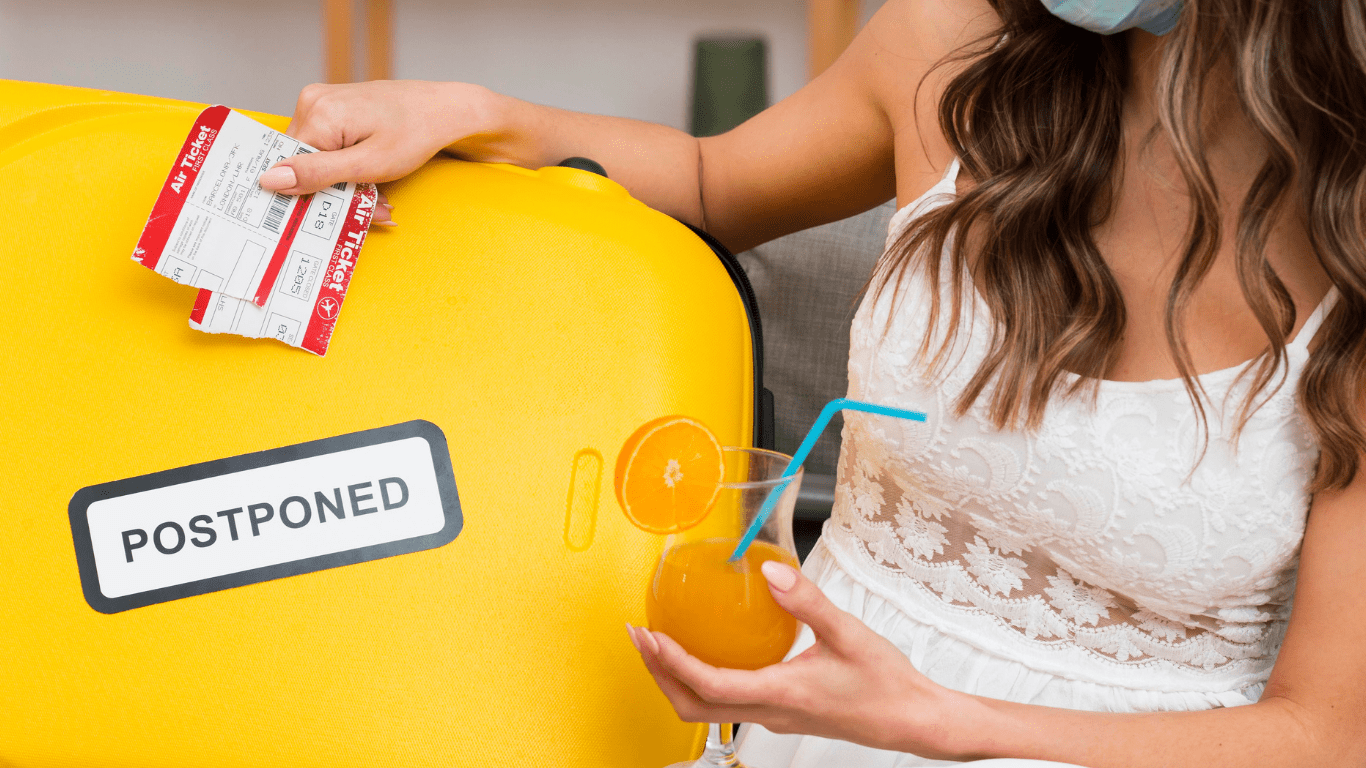
Can You Buy Travel Insurance After Booking a Flight

Business Interruption Claims: The Definitive Guide to Recovering Your Losses

In today’s dynamic business environment, the ability to recover after an unexpected event is critical. A fire, natural disaster, critical equipment failure, or even a cyberattack can bring operations to a halt, causing devastating financial losses. This is where business interruption loss calculation (Business Income Loss Claim) comes into play—an essential tool for the survival of your company. This article provides a thorough understanding of how to quantify and claim the financial losses suffered when business operations are disrupted.

What Is Business Interruption Insurance (BII)?

Definition of BII

Business Interruption Insurance (BII) is a policy designed to protect businesses against loss of income and continuing operating expenses resulting from a covered event that disrupts operations. Its primary purpose is to help restore the financial position the business would have achieved had the interruption never occurred.

Common Covered Causes of Interruption

  • Fires and explosions
  • Natural disasters (wind, hail, floods, or earthquakes, if specifically covered)
  • Critical equipment or machinery failures
  • Supply chain disruptions
  • Cyberattacks (if specified in the policy)

BII Coverage Includes

Coverage may include lost net income, continuing expenses (rent, key employee salaries, insurance), and extra expenses incurred to minimize the interruption.

The Key: How Is Business Interruption Loss Calculated?

Calculation Context

Loss calculation is a detailed process aimed at estimating the true financial impact. The following are the key concepts:

Key Concepts

Projected Revenue (Lost Revenue / But-For Revenue)
This is the estimate of what the business would have earned had the interruption not occurred. It is based on historical data, market trends, growth projections, and business-specific factors.

Continuing Expenses (Fixed Costs)
These are expenses the business must continue to pay despite the interruption, such as rent, fixed staff salaries, utilities, and insurance.

Non-Continuing / Saved Expenses
These are variable expenses that cease or are significantly reduced during the interruption, such as cost of goods sold (COGS), variable hourly wages, or shipping costs.

Extra Expenses
These are additional costs incurred to reduce the duration of the interruption and resume operations as quickly as possible. Examples include renting a temporary location, overtime labor, or expedited purchasing of materials.

Indemnity / Restoration Period
This is the time period during which losses are covered, typically from the date of damage until the business is restored to a level of operation similar to that prior to the interruption.

Deductibles and Waiting Periods
As with other insurance policies, there may be a deductible and a waiting period (for example, 72 hours) before coverage begins to apply.

Business Interruption Insurance

Important Note

For an accurate calculation, thorough documentation is essential: financial records, profit and loss statements, tax returns, customer and supplier contracts, and detailed sales projections.

Claim Process and Critical Tips

Process Context

Filing a business interruption claim requires a methodical approach:

Process Steps

1. Immediate Notification
Notify your insurer as soon as possible after the event.

2. Rigorous Documentation
Gather all relevant financial and operational records demonstrating the condition of the business before and after the incident.

3. Loss Quantification
Calculate losses using the key concepts outlined above. Consider engaging a forensic accountant or public adjuster to ensure accuracy and maximize the claim.

4. Claim Submission
Submit all documentation and calculations to the insurer.

5. Negotiation and Resolution
Be prepared to negotiate with the insurer, who will also employ their own experts to evaluate the claim.

Warning

It is vital to understand coverage limits and common policy exclusions. The COVID-19 pandemic, for example, generated widespread controversy because many policies explicitly excluded losses caused by viruses or bacteria, leading to numerous disputes over the interpretation of “direct physical damage.” Review your policy carefully and consider adding specific coverage for emerging risks such as pandemics or cyber threats.

Frequently Asked Questions (FAQ)

Does my BII policy cover all natural disasters?
Not necessarily. Standard policies often exclude floods and earthquakes unless specific coverage is added. Always review your policy exclusions.

What happens if my business cannot reopen before the indemnity period ends?
Some policies offer an “extended period of indemnity” that may cover additional losses beyond the physical restoration period, which is critical if customer recovery or supply chain restoration takes longer.

Why do I need a forensic accountant?
A forensic accountant specializes in quantifying economic losses and can help prepare a robust claim, ensuring all components of the loss are accurately calculated and effectively presented to the insurer.

Does business interruption insurance cover reputational damage?
Generally, BII focuses on direct financial losses (income and expenses). Reputational damage losses are more difficult to quantify and typically require specialized liability or reputational risk insurance policies.

At BMI Brokers, we help young and newly licensed drivers find the right car insurance in Spain without overpaying. Our experts compare policies from leading insurers, explain coverage options clearly, and help you insure new or provisional drivers in full compliance with Spanish regulations.

Drive legally and confidently from day one.
Contact us today for a personalized young driver car insurance quote in Spain and get coverage that fits your needs and budget.

Don’t risk driving uninsured or paying more than necessary. Visit our blog for more tips, guides, and updates on car insurance and other essential insurance solutions in Spain.

Dave Ramsey’s Philosophy about Life Insurance

Dave Ramsey’s Philosophy about Life Insurance

Personal financial planning is a cornerstone of securing your family’s future. Within this realm, life insurance plays a crucial yet often confusing role. Dave Ramsey, the financial guru, offers a clear and decisive perspective: life insurance is primarily a tool to replace income for dependents in the event of a premature death. His approach contrasts with the idea of using insurance as an investment, simplifying a complex financial decision for millions of people.

Ramsey’s Core Philosophy: Life Insurance as Income Replacement

For Dave Ramsey, the primary and almost exclusive function of life insurance is to provide financial security to your loved ones if you are no longer there to generate income. He does not see it as an investment vehicle, a savings instrument, or a way to build wealth. It is a temporary safety net, designed to cover your debts, mortgage, living expenses, and ensure your children’s education until your net worth is sufficient to support them.

Single purpose: income replacement, not investment/savings.

The Type of Life Insurance Dave Ramsey Recommends: Level Term Life Insurance

Given his focus on income protection, Ramsey is a strong advocate of term life insurance. Specifically, level term life insurance is his preferred choice due to its simplicity and cost-effectiveness.

  • Coverage for a specific period: These policies cover a defined period, generally 15, 20, or 30 years, which aligns with the stages when people typically have financial dependents and significant debts.
  • Level (constant) premium: The monthly or annual premium remains the same throughout the term of the policy, making budgeting easier.
  • Pure benefit: It pays a fixed amount to beneficiaries only if the insured dies during the policy term. If the term expires and the insured is still alive, the policy simply ends with no value.

Policies to Avoid According to Dave Ramsey: Cash Value Life Insurance

Ramsey’s most well-known rejection in the life insurance expert is toward cash value policies, such as:

  • Whole life insurance
  • Universal life insurance
  • Variable life insurance

Ramsey argues that these products are poor investments due to their high fees, complex structures, and often low returns compared to other investment options. His mantra is clear: “buy term and invest the difference.” This means purchasing an affordable term life insurance policy and then investing the amount of money you would have spent on a permanent policy into higher-performing, lower-cost investment vehicles, such as mutual funds.


How Much Coverage Do You Need? The 10 to 12 Times Annual Income Rule

To determine the amount of coverage needed, Dave Ramsey offers a practical and easy-to-apply guideline: 10 to 12 times your annual income. This calculation aims to provide your dependents with enough capital to cover their financial needs for a substantial period, allowing them to maintain their lifestyle, pay off debts (such as the mortgage), and fund their children’s education without having to rely on future income.

Who Really Needs Life Insurance According to Ramsey?

Ramsey’s answer is simple: people with dependents. If your death would negatively impact someone’s financial ability (spouse, children, elderly parents, etc.) to pay bills, then you need life insurance. If you are single, have no children, and have no significant debts or people who depend on your income, you likely do not need a life insurance policy.

The Ultimate Goal: Being “Self-Insured”

Ramsey’s long-term vision is that life insurance eventually becomes unnecessary. His goal is for his followers to become “self-insured.” This means that through smart financial management and wealth accumulation (by investing in mutual funds and paying off debt), you will reach a point where your net worth (savings, investments, debt-free assets) is sufficient to provide for your family in the event of your death, without the need for an active policy.

The Controversy: Ramsey vs Permanent Life Insurance

Dave Ramsey’s stance against cash value life insurance is undoubtedly one of the most debated points in the financial sector. He maintains that these products are a trap, poorly mixing insurance and savings, and that people lose money due to high fees and weak returns. His advice is consistently “buy term and invest the difference” in higher-performing investment vehicles.

On the other hand, many financial advisors defend permanent insurance, highlighting benefits such as tax-free cash value growth, lifetime guarantees, and the ability to use cash value for loans or withdrawals. However, Ramsey prioritizes simplicity, transparency, and direct investor control over savings and investments.

Frequently Asked Questions (FAQs) About Dave Ramsey’s Life Insurance Philosophy

What does “buy term and invest the difference” mean?

It means purchasing term life insurance, which is generally more affordable, and then actively investing the difference in money you would have spent on a more expensive permanent life policy into growth mutual funds or other higher-return investment vehicles, outside the control of the insurance company.

Is term life insurance the only option Ramsey recommends?

Yes, Dave Ramsey’s philosophy focuses exclusively on level term life insurance as the appropriate tool for the purpose of income replacement, due to its simplicity, transparency, and cost-effectiveness.

Does Ramsey ever recommend cash value life insurance?

No, Dave Ramsey strongly discourages all cash value life insurance policies (whole life, universal life, variable life), considering them poor investments with high fees, low returns, and unnecessary complexity.

When should I stop having life insurance according to Ramsey?

According to Ramsey, you should stop having life insurance once you no longer have financial dependents or when you have accumulated enough net worth (sufficient savings and investments) so that your family is financially covered without the policy. At that point, you will have become “self-insured.”

Can I have too much life insurance?

Yes, according to Ramsey’s philosophy, you can have too much life insurance if the coverage exceeds what is necessary to replace your income and financially protect your dependents. Paying premiums for excessive coverage is a waste of money that could be invested more effectively to build wealth.

At BMI Brokers, we assess your personal situation, compare life insurance plans from leading providers in Spain, and explain all conditions clearly and transparently. Our goal is to help you secure lifeinsurance that truly fits your needs — without unnecessary costs or hidden surprises.

Get peace of mind from day one with the right Spanish life insurance policy. Contact BMI Brokers today for personalized advice and find the coverage that’s right for you

No-Claims Bonus in Spain: How It Works and How to Transfer It from Another Country

If you are moving to spain or changing insurance providers, one of the first questions you may ask is whether your driving history will be rewarded. The no-claims bonus in Spain plays an important role in determining how much you pay for car insurance, but the system works differently from other countries. Understanding how it functions—and whether you can transfer a no-claims bonus from abroad—can help you avoid paying more than necessary.

What Is a No-Claims Bonus in Spain?

A no-claims bonus, also known as a no-claims discount, rewards drivers who have not made insurance claims over a certain period. In Spain, this system exists but is not regulated by law. Each insurance company applies its own rules, percentages, and criteria.Unlike countries such as the UK, where no-claims bonuses follow a fairly standardized structure, Spanish insurers have much more flexibility. This means that discounts can vary significantly between providers, even for drivers with identical histories.

How the No-Claims Bonus Works in Spain

Spanish insurance companies calculate the no-claims bonus based on your individual claims history rather than a universally accepted scale. Generally, the longer you drive without making a claim, the higher your discount will be.Most insurers review your record annually. If no claims are registered during the policy period, your discount increases at renewal. If a claim is made, the bonus may be reduced or reset entirely, depending on the insurer and the type of claim. Minor claims, such as windshield repairs or roadside assistance, may not always affect the bonus. At-fault accidents, however, usually lead to a reduction or loss of the discount.

no claim bonus in spain

How Much Can You Save with a No-Claims Bonus in Spain?

Savings depend entirely on the insurer. In general terms, a no-claims bonus in Spain can reduce premiums by anywhere from 10% to over 50% for drivers with long, claim-free histories. Because there is no national database for no-claims bonuses, each company keeps its own internal record. This is why changing insurers within Spain can sometimes result in a different discount, even if your driving history remains the same.

Is the No-Claims Bonus Linked to the Driver or the Vehicle?

In Spain, the no-claims bonus is usually linked to the main policyholder, not the vehicle itself. This means that if you change cars, your bonus can often move with you, as long as you remain the policyholder.

However, complications can arise when:

  • The policyholder changes
  • The vehicle is insured under a company or shared policy
  • A second driver becomes the primary driver

In these cases, insurers may reassess the bonus or apply a different discount structure.

Can You Transfer a No-Claims Bonus from Another Country to Spain?

Yes, it is often possible to transfer a no-claims bonus from another country to Spain, but it is not guaranteed. Acceptance depends entirely on the insurance company.

Spanish insurers commonly accept no-claims histories from:

  • Other EU countries
  • The UK
  • Countries with comparable insurance systems

However, each insurer decides whether to recognize the bonus and how much weight to give it.

What Documents Are Needed to Transfer a No-Claims Bonus?

To transfer a no-claims bonus, insurers usually require official proof from your previous insurer. This document must clearly state the number of claim-free years and confirm that you were the main policyholder.

Most Spanish insurers ask for:

  • A no-claims certificate or claims history letter
  • The document to be written in Spanish or English
  • Recent issuance, usually within the last 6 to 12 months

Some insurers may request certified translations if the document is in another language.

Why Some Insurers Refuse Foreign No-Claims Bonuses

Even with proper documentation, some insurers may refuse to apply a foreign no-claims bonus. This typically happens because:

  • The claims system is not considered equivalent
  • The insurer cannot verify the data
  • Internal underwriting rules do not allow it

In these cases, drivers may be treated as new customers with no bonus, which can significantly increase premiums during the first year.

What Happens to Your Bonus If You Change Insurers in Spain?

When switching insurers within Spain, your no-claims history is usually recognized, but the discount applied may change. Since each company uses its own scale, the same driving record can result in different prices.For this reason, comparing quotes is essential. A driver with many claim-free years may receive a better deal from one insurer than another, even though the underlying risk profile is identical.

How to Protect Your No-Claims Bonus in Spain

Some Spanish insurers offer no-claims protection, allowing drivers to make one claim without losing their bonus. This option is more common in comprehensive policies and usually increases the premium slightlyWhile not always necessary, it can be useful for drivers with a high discount who want to protect long-term savings.

Get the Most Out of Your No-Claim Bonus in Spain

Make sure your driving history works in your favor. With BMI Brokers, we help you understand how the No-Claim Bonus works in Spain and how to use it to reduce your car insurance costs.

Get your personalised car insurance quote today and see how your No-Claim Bonus can lower your premium. Discover our car insurance solutions here.

Drive smart. Save more. Get insured with confidence with BMI Brokers.

Contact us today for a personalised quote and explore our blog for expert guidance on car insurance in Spain, No-Claim Bonuses, and tips for expats. Don’t overpay for your insurance — make sure your bonus counts.

Is Car Insurance Mandatory in Spain? Fines and Legal Consequences for Driving Uninsured

What the Spanish Law Requires

According to Spanish legislation, every motor vehicle must have at least third-party liability insurance, known as seguro de responsabilidad civil. This insurance exists to protect other people and their property if you cause an accident. It is not optional and applies to cars, motorcycles, vans, trucks, and any other registered vehicle capable of causing damage.

Many drivers mistakenly believe that infrequent use or keeping the car parked exempts them from this obligation. However, insurance remains compulsory unless the vehicle has been officially deregistered. Simply leaving the car unused does not remove the legal requirement.

Minimum Car Insurance Coverage Required in Spain

The minimum level of coverage required by law is third-party liability insurance. This policy covers personal injuries suffered by third parties and damage to third-party property when you are responsible for an accident.

However, it is important to understand what this mandatory insurance does not cover. It does not pay for damage to your own vehicle, your own medical expenses, or losses caused by theft or vandalism. For this reason, many drivers choose to upgrade their policy.

Although options such as third-party plus, fully comprehensive insurance, or coverage including roadside assistance are common in Spain, they are not legally required. They are purely optional and depend on the driver’s needs and budget.

car Insurance Mandatory in Spain

Fines for Driving Without Insurance in Spain

Driving without insurance in Spain is considered a serious administrative offense, even if no accident occurs. The authorities do not need proof of dangerous driving or damage to impose a penalty.

The fine for driving uninsured ranges from €601 to €3,005. The exact amount depends on several factors, including the type of vehicle, whether the vehicle was in use or parked at the time of detection, and whether the driver has committed the same offense before. These penalties are typically issued by the DGT or local police authorities.

Additional Legal Consequences of Driving Uninsured

The financial fine is only one part of the consequences. Driving without insurance can lead to further legal and practical problems that many drivers underestimate.

Vehicle Impoundment

In addition to the fine, authorities may impound the vehicle for up to three months. During this period, the owner is responsible for all towing and storage costs, which can add up quickly. The vehicle cannot be used and will not be released until valid insurance company has been obtained.

Civil Liability for Damages

If an uninsured driver causes an accident, the consequences become far more serious. The driver is personally responsible for all damages caused, including medical expenses, vehicle repairs, and compensation for injuries or death. These costs can easily reach tens or even hundreds of thousands of euros.

Although the Insurance Compensation Consortium may initially compensate victims, it does not protect the uninsured driver. The consortium will later reclaim the full amount paid directly from the person responsible for the accident.

Criminal Consequences

While driving without insurance is usually an administrative matter, it can become a criminal offense in certain situations. If the accident results in serious injury or death, or if there is evidence of reckless driving or gross negligence, criminal charges may apply. In extreme cases, penalties can include heavy fines, driving bans, and even prison sentences.

How Authorities Check Car Insurance in Spain

Spain uses a highly effective digital system to monitor whether vehicles are insured. All insurance policies are recorded in the FIVA database (Fichero Informativo de Vehículos Asegurados).

Police and traffic authorities can instantly verify insurance status using license plate scanners, traffic cameras, and roadside checks. This means drivers do not need to be stopped for a violation to be detected. Fines can be issued automatically if a vehicle appears in the system as uninsured.

Is Car Insurance Mandatory for Parked or Unused Vehicles?

Yes, car insurance is still mandatory if the vehicle is registered, parked on public roads, and capable of being driven. Even if the vehicle has not moved for months, it must be insured as long as it remains legally active.

Insurance is only not required if the vehicle has been officially deregistered or declared permanently off the road. Without completing this formal process, the obligation to maintain insurance remains.

How to Avoid Fines and Legal Issues

To avoid fines and serious legal consequences, drivers should ensure their insurance policy is always active and renewed on time. It is also advisable to verify that the vehicle appears correctly in the FIVA database, especially after changing insurers. Vehicles that are no longer in use should be officially deregistered, and drivers of foreign vehicles should always carry valid proof of insurance.

Protect your car

your vehicle deserve the best protection. At BMI Brokers, we help you find reliable, affordable insurance options for dogs, cats, and multi-pet families in Spain.

Contact us today for a personalized farm insurance quote and comprehensive support tailored to your needs.

Ready to stay ahead and make empowered decisions? Visit our blog today and discover a wealth of resources tailored just for you.

Many Pets Insurance

Many Pets Insurance: Complete Guide to Protecting Dogs, Cats, and Multi-Pet Families in Spain

Having more than one pet is a joy—double the love, double the fun—but also double the responsibility. Whether you have a dog and a cat, two dogs, several cats, or a home full of furry (and sometimes mischievous) companions, managing veterinary care can quickly become a challenge.

That’s why many owners search for many pets insurance, also known as multi-pet insurance, to protect all their animals under one simplified plan.

In this complete guide, you’ll learn:

  • How many pets insurance works

  • Why it can save you money

  • What multi-pet policies usually cover

  • How to compare the best plans

  • How BMI Brokers helps pet owners in Spain

  • Additional expert resources for specific pet conditions (diabetes, senior cats, vaccines, etc.)

Let’s explore how to keep every member of your furry family protected.

What Is “Many Pets Insurance”?

Many Pets Insurance

Many pets insurance” refers to insurance plans designed to cover multiple animals under one policy, or multiple individual policies managed together with multi-pet discounts.

You can insure:

  • More than one dog

  • More than one cat

  • A mix of dogs and cats

  • Pets with different ages and needs

Rather than juggling separate policies, many pets insurance simplifies everything into one streamlined solution—ideal for families with multiple pets or those considering adopting another furry friend.

Why Multi-Pet Insurance Matters

Veterinary care can become costly, especially when you have several pets needing:

  • Annual check-ups

  • Vaccinations

  • Treatments for illness or injury

  • Emergency vet visits

  • Diagnostic tests

  • Medications

Multi-pet insurance helps you manage these expenses more efficiently by offering:

  • One centralised policy

  • Discounts for additional pets

  • Easier administration and renewals

  • Comprehensive protection for each individual animal

For families with two or more pets, insurance becomes not only convenient—but essential.

What Many Pets Insurance Typically Covers

Coverage varies by insurer, but multi-pet plans usually include:

✔️ Accidents

Injuries caused by falls, bites, or collisions.

✔️ Illnesses

Infections, chronic diseases, and common conditions.

✔️ Surgeries & Hospitalisation

Emergency operations or planned procedures.

✔️ Diagnostic Tests

X-rays, bloodwork, ultrasounds.

✔️ Prescribed Medications

Antibiotics, long-term treatments, chronic medication.

✔️ Optional Wellness Add-Ons

(Some plans)

  • Vaccines

  • Dental cleaning

  • Flea/tick prevention

  • Wellness check-ups

Each pet is covered individually—even within a multi-pet plan.

How Multi-Pet Insurance Saves You Money

Many Pets Insurance

Having more than one pet can multiply expenses, but a multi-pet policy helps you:

  • Save on monthly premiums with multi-pet discounts

  • Avoid paying out-of-pocket for recurring treatments

  • Make budgeting easier with predictable costs

  • Receive personalised coverage for each pet’s needs

Whether you have two younger animals or a mix of young and senior pets, multi-pet insurance keeps your costs manageable while ensuring proper care.

Do You Have a Diabetic Dog? — Special Coverage Considerations

If one of your pets has a chronic condition—especially diabetes—insurance becomes even more important.

We created a dedicated guide to help dog owners understand this topic in depth: Pet Insurance for Diabetic Dogs: Complete Guide

Key points from that guide:

  • Diabetic dogs often require daily insulin, glucose monitoring, and frequent vet visits.

  • Coverage for chronic conditions varies greatly between insurers.

  • Some providers exclude pre-existing conditions; others offer partial or full coverage.

  • At BMI Brokers, we help owners compare multiple insurers to find plans that support diabetic care whenever possible.

If one of your pets has diabetes, this extra resource is essential reading.

Insurance Tips for Older Cats

Senior cats have unique healthcare needs, from arthritis to kidney disease. If you have more than one cat—or a mix of young and older cats—multi-pet insurance with senior coverage is especially valuable.

Explore our full guide here Pet Insurance for Older Cats: The Complete Guide

Highlights:

  • Older cats require more frequent vet visits and diagnostic tests.

  • Many insurers have age limits, so early enrollment helps.

  • Some policies offer extended benefits like rehabilitation or end-of-life care.

If your household includes senior felines, this guide is extremely useful.

Does Pet Insurance Cover Vaccines?

Vaccines are essential for keeping your dogs and cats healthy, but coverage varies by policy.
We explain this in detail here: Does Pet Insurance Cover Vaccines?

From that guide:

  • Standard accident & illness plans often do not include vaccines.

  • Some insurers offer a wellness add-on that covers preventive care.

  • BMI Brokers helps you understand which plans include or exclude vaccines so you can protect all your pets efficiently.

When you insure multiple pets, understanding vaccine coverage becomes even more important.

How to Choose the Best Multi-Pet Insurance Plan

Here are key factors to consider when choosing insurance for many pets:

✔️ Coverage Type

Accident-only, accident + illness, or comprehensive.

✔️ Pre-Existing Conditions

Check how each insurer defines and manages them.

✔️ Age Limits

Some insurers restrict coverage for older pets.

✔️ Multi-Pet Discounts

Ensure the insurer offers competitive pricing for additional pets.

✔️ Customisation

Choose individual add-ons for pets with specific needs.

✔️ Claims Process

A fast, transparent system makes a big difference.

✔️ Travel Coverage

If you travel frequently with your pets, this may matter.

At BMI Brokers, we compare multiple insurers so you don’t have to spend hours analysing fine print.

Why Choose BMI Brokers for Pet Insurance in Spain

At BMI Brokers, we help pet owners find the best pet insurance options for dogs, cats, and multi-pet households.

With us, you get:

  • Personalised recommendations based on each pet’s needs

  • Access to top insurers offering multi-pet discounts

  • Clear advice on chronic conditions, senior coverage, and preventive care

  • Support in English and Spanish

  • Assistance with quotes and claims

Explore our main Pet Insurance page by clicking here

Key Takeaways

  • Many pets insurance” helps owners protect multiple animals under one plan.

  • Multi-pet policies save money and simplify vet care management.

  • Each pet receives individual protection.

  • Special cases—like diabetic dogs or senior cats—may need tailored coverage.

  • BMI Brokers compares insurers to help you find the right multi-pet solution.

Protect All Your Pets Today

Your pets are part of your family—and they deserve the best protection. At BMI Brokers, we help you find reliable, affordable insurance options for dogs, cats, and multi-pet families in Spain.

Contact us today to get personalised quotes for all your pets.

Looking for more expert advice? Visit our blog for in-depth guides, insurance tips, and industry updates!

Do You Need Insurance for an eBike

Do You Need Insurance for an eBike? A Complete Guide for Safe Riding

Electric bikes—commonly known as eBikes—have become one of the most popular ways to commute, exercise, and explore cities across Europe. Affordable, sustainable, and easy to use, they offer an attractive alternative to cars and public transport. But as eBike usage grows, so does the question many riders ask: Do you need insurance for an eBike?

In this article, we break down when eBike insurance is legally required, why some riders choose to get it even when it’s optional, what typical eBike policies cover, and what safety measures every eBike owner should consider.

Do You Need Insurance for an eBike?

Do You Need Insurance for an eBike

The need for eBike insurance depends on:

  • Local laws

  • The type and power of the eBike

  • How and where you use it

In many European countries, including Spain, most standard eBikes do not require insurance. However, some high-powered models may be classified differently, and therefore require insurance similar to mopeds.

So, while you may not legally need insurance for most eBikes, it’s important to understand the classification of your specific model.

Is eBike Insurance Mandatory in Spain?

Spain classifies eBikes into two main categories:

1. Standard eBikes (Pedelecs)

  • Motor assists only when pedalling

  • Maximum assisted speed: 25 km/h

  • Motor power: 250W

  • Treated as a normal bicycle

➡️ Insurance is NOT mandatory.

2. Speed eBikes / Speed Pedelecs

  • Assistance beyond 25 km/h

  • Often more powerful motors

  • May require type approval

➡️ Insurance MAY be mandatory, depending on how the bike is classified legally.

If your electric bike is modified, faster, or more powerful than a standard pedelec, regulations may change. Always check local rules or speak with a specialist.

Why Some Riders Choose eBike Insurance Voluntarily

Even when not required, many riders decide to insure their eBikes due to:

✔️ High purchase cost

Most eBikes cost between €1,500–€5,000+. Replacing one can be expensive.

✔️ Increasing theft rates

eBikes are one of the most frequently stolen types of bicycles due to high resale value.

✔️ Liability risks

If you collide with a pedestrian or damage property, you may be held financially responsible.

✔️ Limited coverage from home insurance

Many home insurance policies don’t cover eBikes, or provide minimal protection.

Insurance can provide peace of mind for riders who want financial protection against these risks, even when not required by law.

What eBike Insurance Typically Covers

Although policies vary by provider, most eBike insurance includes:

1. Theft

Compensation if your bike is stolen from home, work, or a public space.

2. Accidental Damage

Covers crashes, falls, and collisions.

3. Vandalism

Protection from intentional damage.

4. Battery & Motor Damage

Two of the most expensive components to repair or replace.

5. Third-Party Liability

Coverage if you accidentally injure someone or damage property.

6. Personal Accident Cover (optional)

For medical expenses or rider injuries.

7. Travel Coverage (optional)

Protection if you take your eBike abroad.

Common Risks for eBike Riders

Despite their convenience, eBikes do come with risks:

  • Road traffic collisions

  • Falls caused by higher speeds

  • Battery overheating or malfunction

  • Theft in busy urban areas

  • Damage from incorrect charging

  • Weather-related deterioration

  • Crashes involving pedestrians

Being aware of these risks is the first step to riding safely.

How Much eBike Insurance Costs

The price depends on:

  • Bike value

  • Location

  • Coverage type

  • Security measures

  • Optional extras

Premiums are usually modest compared to the cost of replacing an eBike or covering damage out of pocket.

Tips for Protecting Your eBike

Whether or not you buy insurance, these steps help keep your eBike safe:

  • Use a certified high-security lock

  • Store the bike indoors whenever possible

  • Avoid leaving it unattended in public for long periods

  • Register your bike’s serial number

  • Keep proof of purchase and photos

  • Consider adding a GPS tracker

  • Follow proper battery storage and charging guidelines

A combination of good habits and security equipment significantly reduces risk.

Do You Need Insurance for an eBike: Key Takeaways

  • Most eBikes in Spain do not require insurance, but high-powered models may.

  • Many riders choose insurance voluntarily due to theft, accidents, and liability risks.

  • Standard home insurance doesn’t usually provide sufficient protection.

  • Safe habits and proper equipment greatly reduce risks.

For more helpful resources and expert guidance, visit our blog and discover detailed articles on insurance, safety, and protection in Spain.

Insurance for Travelling to Thailand

Insurance for Travelling to Thailand: Everything You Need for a Safe Trip

Thailand is one of the world’s most popular travel destinations, known for its stunning beaches, vibrant culture, delicious food, and affordable luxury. Whether you’re planning a relaxing holiday in Phuket, exploring temples in Chiang Mai, or discovering the energy of Bangkok, one essential item should be at the top of your travel checklist: insurance for travelling to Thailand.

Travel insurance protects you from unexpected costs such as medical emergencies, lost luggage, trip cancellations, and more. In this complete guide, we explain why travel insurance for Thailand is essential, what it covers, how much it costs, and how BMI Brokers can help you choose the right policy for a worry-free trip.

Why You Need Insurance for Travelling to Thailand

Insurance for Travelling to Thailand

Although Thailand is generally safe and tourist-friendly, unexpected incidents can occur—especially when travelling long distances or engaging in adventurous activities. Having travel insurance for Thailand gives you peace of mind and financial protection against:

  • Medical emergencies, including hospital stays and treatment

  • Accidents during activities such as diving, trekking, or scooter riding

  • Lost, stolen, or delayed luggage

  • Trip cancellations or interruptions

  • Natural disasters or weather disruptions

  • 24/7 assistance, ensuring support anytime and anywhere

Thailand’s healthcare system is excellent, but private hospitals can be costly, especially for foreigners. Without insurance, a simple medical procedure can cost hundreds of euros—and serious incidents can reach thousands.

Travel insurance ensures you’re protected throughout your journey, no matter what happens.

What Travel Insurance for Thailand Covers

Coverage varies by provider, but most Thailand travel insurance policies include:

1. Medical and Emergency Expenses

Covers doctor visits, hospitalisation, surgery, prescription medication, and emergency transportation.

2. Trip Cancellation and Interruption

You’re protected if illness, family emergencies, or airline issues force you to cancel or return home early.

3. Lost or Delayed Luggage

Compensation for personal items, essentials, and valuable belongings.

4. Travel Delays

Coverage for meals, accommodation, and transport if your flight is significantly delayed.

5. Personal Liability

Protection if you accidentally injure someone or damage property.

6. Emergency Repatriation

Covers your return home if medically required.

7. Adventure Sports (Optional)

Many travellers to Thailand enjoy activities like diving, kayaking, and hiking. Optional add-ons extend coverage to these activities.

At BMI Brokers, we help travellers compare options and choose the right combination of coverage based on their itinerary.

Do You Need Travel Insurance to Enter Thailand?

insurance for travelling to thailand

Travel insurance is not mandatory for most tourists entering Thailand. However:

  • It is strongly recommended due to high private medical costs.

  • Some activities, tours, and volunteer programs require proof of insurance.

  • During special entry programs (e.g., pandemic periods), Thailand has required insurance—so policies may change in the future.

Regardless of requirements, insurance for travelling to Thailand is one of the best investments you can make before your trip.

Common Travel Risks in Thailand

Thailand is safe, but every destination comes with risks. The most common issues travellers face include:

✔️ Motorbike and scooter accidents

Road conditions and traffic can be challenging for foreigners.

✔️ Food-related illnesses

Street food is amazing—but sometimes unpredictable.

✔️ Weather disruptions

Tropical storms can cause flight delays or itinerary changes.

✔️ Pickpocketing in busy tourist areas

Especially in markets, beaches, and transport hubs.

✔️ Adventure activity injuries

Diving, rock climbing, and jungle trekking carry inherent risks.

Having travel insurance for Thailand ensures you receive immediate help if anything unexpected occurs.

How Much Does Thailand Travel Insurance Cost?

The cost depends on:

  • Length of stay

  • Traveller’s age

  • Type of coverage

  • Optional extras (sports, electronics, cancellations)

For most tourists, travel insurance for Thailand is affordable, especially compared to potential out-of-pocket medical costs. A short trip may cost as little as the price of a dinner—while providing essential protection.

To get an accurate quote, BMI Brokers compares top insurance providers and finds the plan that best matches your travel needs.

How to Choose the Best Travel Insurance for Your Thailand Trip

When selecting travel insurance for Thailand, consider:

1. Medical Coverage Limit

Choose a higher limit due to private hospital costs.

2. Adventure Sports Coverage

If you plan to snorkel, dive, or rent motorbikes, make sure these activities are covered.

3. Cancellation Protection

Ideal for long-haul trips booked far in advance.

4. 24/7 Assistance

Essential when travelling across time zones.

5. Trusted Providers

Work with reputable insurers experienced in international travel coverage.

BMI Brokers advises you on each point to help you make the safest choice.

Why Choose BMI Brokers for Your Thailand Travel Insurance

At BMI Brokers, we make finding the right insurance for travelling to Thailand simple and stress-free. Here’s why travellers trust us:

We compare top international travel insurance providers

Ensuring you get the best coverage at the best price.

Personalised travel protection

Based on your itinerary, activities, and length of stay.

English-speaking experts

Ideal for expats, digital nomads, and international travellers living in Europe.

Fast, easy quotes

Get your travel insurance in minutes.

Full support before and during your trip

If you need to file a claim, we guide you through the entire process.

Check out our travel insurance plans here.

Key Takeaways

  • Travel insurance for Thailand is essential to protect against medical emergencies, lost luggage, and unexpected disruptions.

  • Thailand’s private hospitals can be expensive for foreigners.

  • Insurance is not mandatory for entry, but strongly recommended.

  • Choose coverage that includes medical expenses, cancellation, and liability.

Get Your Thailand Travel Insurance Today

Make your trip unforgettable—in the best way possible. With BMI Brokers, you can travel to Thailand knowing you’re fully protected from the unexpected.

Get your personalised travel insurance quote today: discover our travel insurance plans here.
Travel smart. Travel safe. Travel insured with BMI Brokers.

Contact us today for a personalized quote and explore our blog for more travel tips, insurance guides, and expert advice. Don’t let flight cancellations ruin your trip — get covered and travel with confidence.